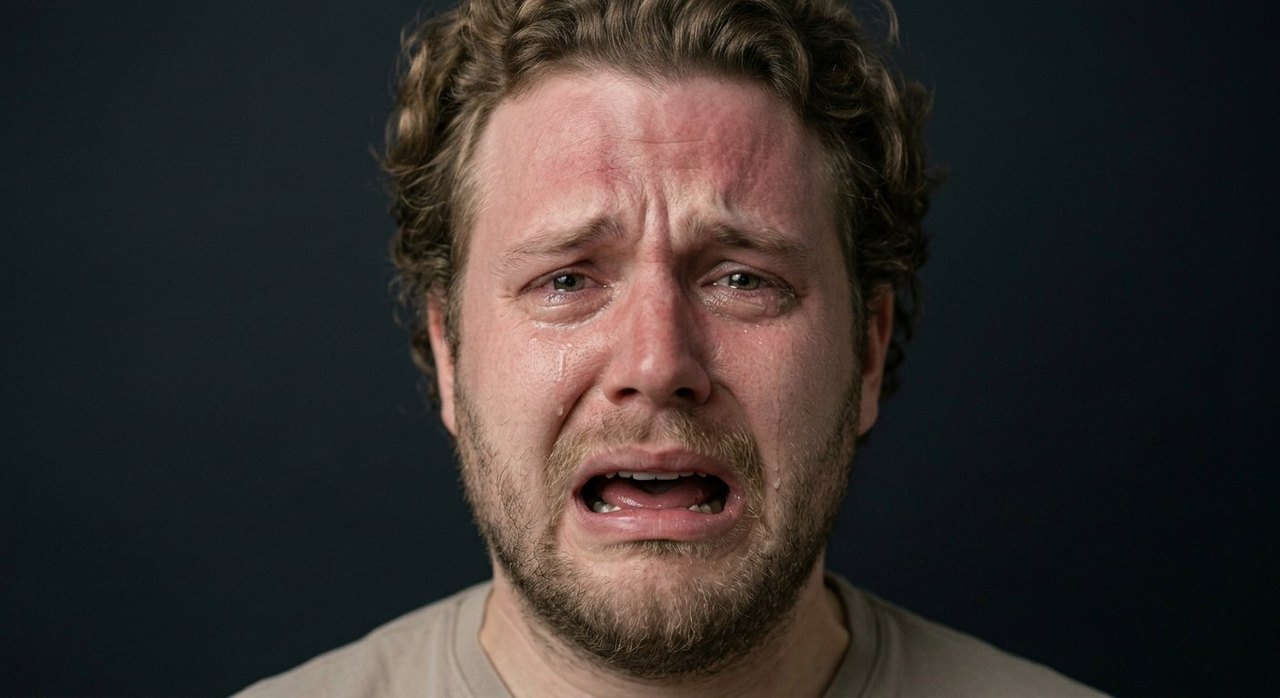
Heartbreak
Crushing pain centred in the chest from losing love.
Heartbreak is crushing pain centred in the chest from losing love. The ache is so physical that broken heart is more literal than metaphorical. The chest feels weighted, hollow, or actively painful. Something essential has been lost and the whole system knows.
The chest actually aches. That is not a metaphor.
Heartbreak is one of the few emotional states with a verifiable physical location. The chest really does ache. The appetite really does go. The sleep really does break. Treat it like a wound because it is one. Rest. Eat plain food. Cry when you need to. Do not make decisions. Do not post. Do not reply. Let friends bring you meals. Let someone sit with you. Heartbreak is the cost of having loved. Paying it fully, now, is how you stay open to loving again later. The fast recovery that skips the grief produces a closed person next time. The slow, honest recovery produces a person who can still love openly. Choose the slow one.
"The heart was made to be broken."
— Oscar Wilde
Heartbreak has one of the most physically specific body signatures of any emotion. The chest carries a crushing weight or hollow ache that feels nearly physical. Breathing may be difficult or shallow. The throat tightens. The arms may feel heavy. There may be actual chest pain in severe cases. The body has registered the loss of attachment as a kind of injury. Eating, sleeping, and other basic functions are often disrupted. The whole system is in mourning, but with the particular cardiac-centred quality that makes heartbreak distinct from other forms of grief.
Research on heartbreak has confirmed the physical reality of the experience. Brain imaging studies have shown that romantic rejection activates similar neural regions as physical pain. A specific cardiac condition called Takotsubo cardiomyopathy (also called broken heart syndrome) has been documented as a real medical phenomenon that can be triggered by severe emotional stress, sometimes including heartbreak. The syndrome involves temporary weakening of heart muscle and can mimic heart attacks. While dramatic, it is medically real and reversible in most cases. The everyday experience of heartbreak does not typically produce this severe response, but the underlying connection between emotional and cardiac systems is well-established.

Heartbreak arises in specific conditions involving the loss or threatened loss of significant attachment. Common patterns include:
Heartbreak is one of the more demanding emotional experiences and rarely resolves quickly. The following help.
Allow the time it takes
Heartbreak follows its own timeline that cannot be hurried. The pressure to be over it within some particular timeframe usually produces worse outcomes than allowing the process to unfold. Most heartbreaks ease significantly within months but can take a year or more for full recovery. This is normal, not pathological.
Maintain the basics
Heartbreak often disrupts sleep, eating, exercise, and social contact. The disruption tends to worsen the experience. Maintaining basic care (regular meals even when not hungry, sleep even when restless, some movement, some contact with people who care) provides the floor that allows recovery to proceed. The basics matter even when motivation is low.
Reach out to people who can bear it
Heartbreak processed alone tends to last longer and produce worse outcomes than heartbreak shared with supportive people. Some friends can sit with you in pain without trying to fix it; some cannot. Knowing which is which, and going to the former, often makes the difference between bearable and unbearable.
Resist the urge to contact who you have lost
Most contact with a lost love prolongs and intensifies heartbreak rather than resolving it. The brain's attachment system needs distance to begin recovering. This is one of the harder behaviours because the immediate impulse is the opposite. Following the impulse usually makes things worse.
If heartbreak has not eased after many months
Severe heartbreak that persists at peak intensity for many months without easing may have developed into depression or complicated grief, both of which are treatable. Persistent heartbreak that is not improving, particularly when accompanied by other markers (loss of interest in other things, hopelessness, sustained inability to function), warrants professional support. There is no benefit to bearing severe sustained heartbreak alone when help is available.
"Heartbreak is not metaphorical pain. The chest actually hurts because the brain is processing the loss using the same systems that process physical injury."
— A common framing in research on social pain
Is heartbreak a real physical experience?
Yes. Brain imaging research has shown that romantic rejection activates similar neural regions as physical pain. A specific cardiac condition called Takotsubo cardiomyopathy or broken heart syndrome has been documented as a real medical phenomenon that can be triggered by severe emotional stress. The everyday experience of heartbreak does not typically produce this severe response, but the underlying connection between emotional and cardiac systems is well-established. The chest pain of heartbreak is not metaphorical.
Where do people feel heartbreak in the body?
Heartbreak has one of the most physically specific signatures of any emotion. The chest carries a crushing weight or hollow ache that feels nearly physical. Breathing may be difficult or shallow. The throat tightens. The arms may feel heavy. There may be actual chest pain in severe cases. The body has registered the loss of attachment as a kind of injury. Eating, sleeping, and other basic functions are often disrupted. The cardiac-centred quality makes heartbreak distinct from other forms of grief.
How long does heartbreak last?
Most heartbreaks ease significantly within months but can take a year or more for full recovery. The timeline varies based on depth of attachment, circumstances of the loss, support available, and other factors. There is no normal duration. The pressure to be over heartbreak by some particular timeframe usually produces worse outcomes than allowing the process to unfold. Severe heartbreak that persists at peak intensity for many months without easing may have developed into depression or complicated grief, both of which warrant professional support.
Why does heartbreak hurt physically?
The brain processes social pain using similar systems as physical pain. When a significant attachment is lost, these systems activate the same way they would for physical injury, producing actual pain rather than just metaphorical discomfort. The neurochemical changes during heartbreak resemble those of withdrawal from addictive substances in some ways: dopamine and other reward chemicals associated with the lost attachment drop, producing distress that is physiologically real. The experience of heartbreak is not weakness or oversensitivity; it is the body responding accurately to genuine loss.
How do you recover from heartbreak?
Recovery requires time that cannot be hurried, but several practices reliably help: maintaining basic care (sleep, eating, exercise) even when motivation is low, reaching out to people who can bear the pain without trying to fix it, resisting the urge to contact who you have lost (which usually prolongs heartbreak), and allowing the experience rather than fighting it. Most heartbreaks resolve naturally over months. Persistent heartbreak that does not ease over many months, or that develops into depression, warrants professional support, which is effective.
- Eisenberger, N. I. (2012). The pain of social disconnection: Examining the shared neural underpinnings of physical and social pain. Nature Reviews Neuroscience, 13(6), 421–434. https://www.nature.com/articles/nrn3231
- Fisher, H. E., Brown, L. L., Aron, A., Strong, G., & Mashek, D. (2010). Reward, addiction, and emotion regulation systems associated with rejection in love. Journal of Neurophysiology, 104(1), 51–60. https://journals.physiology.org/doi/10.1152/jn.00784.2009
- Wittstein, I. S., Thiemann, D. R., Lima, J. A. C., Baughman, K. L., Schulman, S. P., Gerstenblith, G., Wu, K. C., Rade, J. J., Bivalacqua, T. J., & Champion, H. C. (2005). Neurohumoral features of myocardial stunning due to sudden emotional stress. New England Journal of Medicine, 352(6), 539–548. https://www.nejm.org/doi/10.1056/NEJMoa043046
Heartbreak sits in the sadness family as one of its most physically specific forms. It overlaps with grief when the loss is permanent, with loneliness when absence of love is the central feature, and with what some traditions call lovesickness when the heartbreak involves unrequited or unreachable love.
See where heartbreak sits among the other 402 emotions.
Open Heartbreak on the wheel