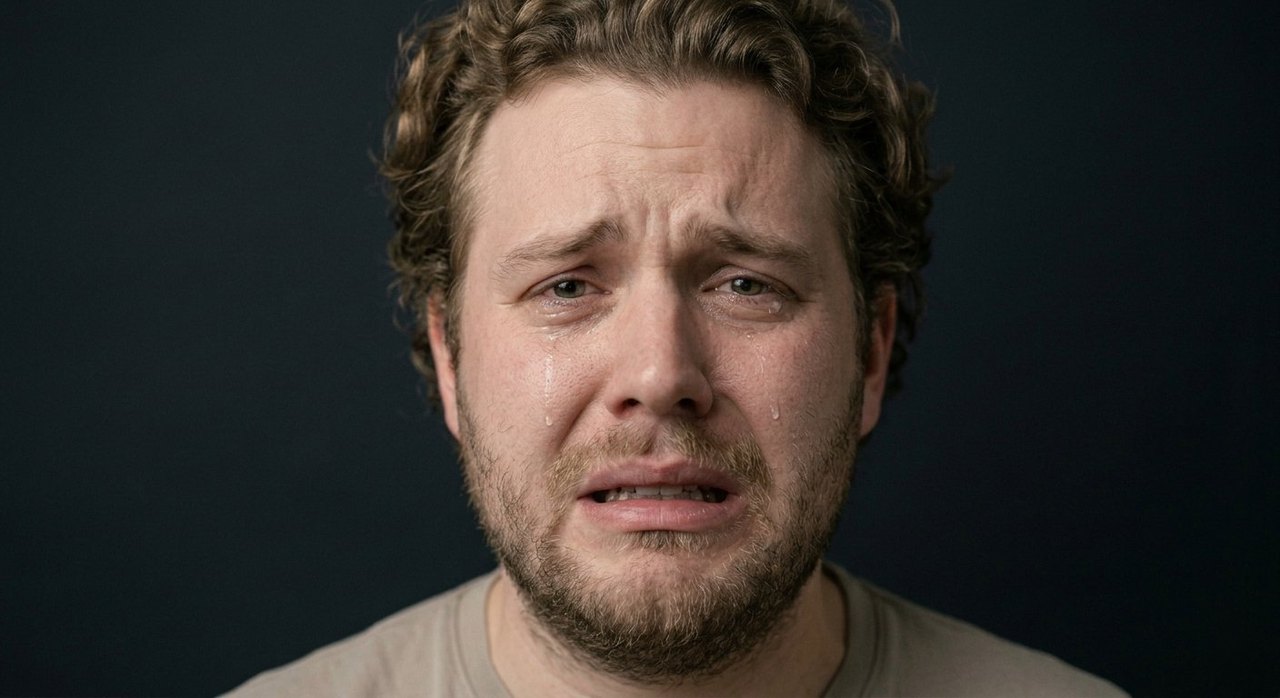
Sorrow
Deep, sustained sadness. Heavier than everyday gloom.
Sorrow is deep, sustained sadness, heavier than everyday gloom. The body carries weight, the chest holds a quiet ache, time slows. Life itself feels heavy beyond passing low mood. It sits between ordinary sadness and clinical depression.
Sorrow weighs. That is part of its nature.
Sorrow is heavier than sadness and slower than grief. It settles. It stays. It becomes, for a season, part of how you walk through the world. Do not try to off-load it artificially. Sorrow that is prematurely ended tends to return in worse form. The right response is patience with yourself. The mornings will be hard. The ordinary tasks will take longer. The smile in the meeting will be a performance. All of this is normal for the duration. The duration is what it is. Something in you is processing something large. When it is finished, the weight lifts, gradually, and you realise one day that you have been walking lighter for a while without noticing.
"There is a sacredness in tears."
— Washington Irving
Sorrow has a distinctive sustained body signature of weight. The chest carries quiet heaviness. The shoulders feel weighted. The head may feel heavy or slightly bowed. The body moves more slowly. The face often shows a particular soft sadness in the eyes and mouth. The voice carries lower register. There is no sharp peak as in acute grief; the heaviness is sustained over time. The body is in a particular kind of slowed mourning that can persist while the person continues to function.
Research on sustained sadness states has identified them as having both common features with clinical depression and important differences. Functional sorrow (sustained sadness that does not meet criteria for depression) is widespread and often appropriate to circumstances. The distinction between functional sorrow and clinical depression is not always sharp; duration, severity, impact on function, and presence of other symptoms all matter. Modern research has begun to question some older framings that pathologised any sustained sadness, particularly sadness in response to genuine losses or difficult life circumstances.

Sorrow arises in specific conditions involving sustained difficulty or significant loss. Common patterns include:
Sorrow often does not need to be eliminated; it needs to be borne well. The following practices help.
Allow rather than fight it
Sorrow that is resisted tends to last longer and become heavier than sorrow that is allowed. Allowing the sustained heaviness, treating it as appropriate to circumstances rather than as a problem to solve, often makes it more bearable while also allowing it to move when it is ready. Resistance often produces additional struggle on top of the underlying sorrow.
Maintain meaningful contact
Sorrow processed in isolation tends to deepen. Maintaining contact with people who can bear what you are carrying, even when contact feels effortful, helps prevent sorrow from becoming worse. The contact does not need to be intensive; regular presence with people who care often matters more than intense conversation.
Continue with meaningful activities
Sorrow often produces the impulse to withdraw from activities that previously had meaning. Continuing with them, even at reduced intensity, helps maintain the structure that sorrow can use to bear itself. Complete withdrawal often makes sorrow heavier and harder to recover from.
Distinguish sorrow from depression
Sorrow that includes loss of interest in most things, sustained hopelessness, sleep and appetite disruption, or thoughts of self-harm has likely become depression and warrants professional support. Sorrow without these additional features may not require treatment beyond support and time. Knowing the difference helps decide what response is appropriate.
If sorrow persists without easing
Sustained sorrow that does not ease over many months, that is interfering significantly with life, or that includes any of the depression markers may have developed into clinical depression or complicated grief. Both are treatable. Professional support is appropriate when the natural movement of sorrow seems to have stopped. There is no benefit to bearing severe sustained sadness alone when help is effective.
"Sorrow is the weight of bearing what cannot yet be changed. Not every sustained sadness is illness. Some is simply the body honouring what is heavy."
— A theme that recurs in modern sadness research
What is the difference between sorrow and sadness?
Sadness is the broader category that can range from brief mild sadness to severe sorrow. Sorrow is specifically the heavy sustained form. A person can be sad without being in sorrow (acute sadness, mild low mood). Sorrow requires the depth and duration that distinguish it from passing sadness. The weight is one of the defining features. Sorrow is what sadness becomes when it has become heavy and sustained, often in response to weighty circumstances or significant losses.
Where do people feel sorrow in the body?
Sorrow has a distinctive sustained signature of weight. The chest carries quiet heaviness. The shoulders feel weighted. The head may feel heavy or slightly bowed. The body moves more slowly. The face often shows a particular soft sadness in the eyes and mouth. The voice carries lower register. There is no sharp peak as in acute grief; the heaviness is sustained over time. The body is in a particular kind of slowed mourning that can persist while the person continues to function.
Is sorrow the same as depression?
No. Depression is a clinical syndrome with multiple features beyond sustained sadness: loss of interest in usually-enjoyed activities, sleep and appetite changes, hopelessness, sometimes suicidal thoughts. Sorrow can persist without these additional features. A person in sorrow can still enjoy things, still hope, still function. The distinction matters because treatment differs. Not every sustained sadness is depression. However, sorrow that includes additional symptoms may have become depression, which is treatable and warrants professional support.
Should sorrow be treated?
Sometimes. Functional sorrow that is proportionate to circumstances (sorrow in response to genuine losses or difficult life conditions) usually does not require treatment, though it may benefit from support, time, and basic care. Sorrow that has developed into depression (with loss of interest, hopelessness, significant impact on function) warrants professional support. Sorrow that persists without easing over many months, even without other depression markers, may benefit from therapy. The key question is whether the sorrow is moving and bearable or stuck and overwhelming.
How do you bear sorrow?
The practices that most reliably help are allowing rather than fighting it (sustained resistance usually makes sorrow worse), maintaining meaningful contact with people who can bear what you are carrying, continuing with meaningful activities at reduced intensity rather than withdrawing entirely, and distinguishing sorrow from depression so the response matches what is actually happening. Sorrow that is allowed and supported usually moves over time, even when it cannot be hurried. Sorrow that is resisted or processed alone tends to become heavier and last longer.
- Horwitz, A. V., & Wakefield, J. C. (2007). The Loss of Sadness: How Psychiatry Transformed Normal Sorrow into Depressive Disorder. Oxford University Press.
- Bonanno, G. A. (2009). The Other Side of Sadness: What the New Science of Bereavement Tells Us About Life After Loss. Basic Books.
Sorrow sits in the sadness family as one of its sustained heavier forms. It overlaps with grief when the source is specific loss, with melancholy when the sadness has gentler quality, and with depression when additional symptoms are present.
See where sorrow sits among the other 402 emotions.
Open Sorrow on the wheel