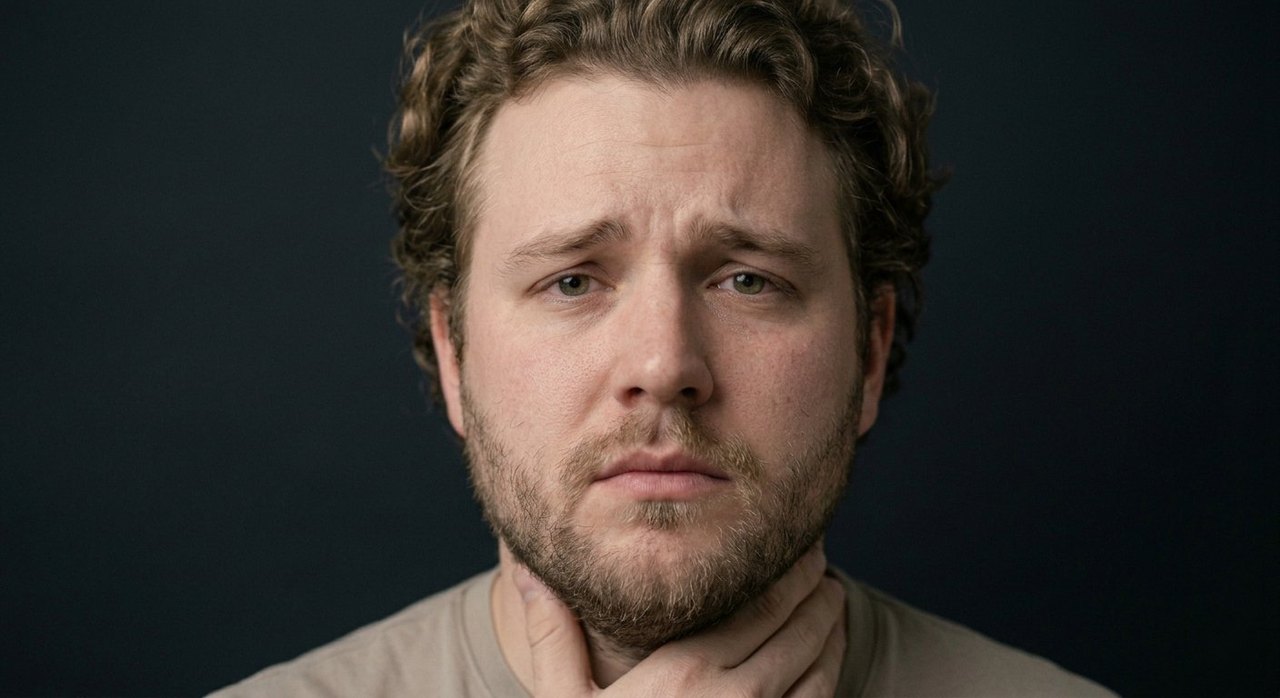
Regret
Painful awareness that you wish you had acted differently.
Regret is the painful awareness that you wish you had acted differently. The mind replays a moment already passed. The body registers the gap between what was done and what almost was. Unlike guilt, often no one was harmed but yourself.
Regret is a teacher. Pay it once.
Regret is the painful awareness that you could have chosen differently. The mistake is to pay regret over and over, for the same incident, for years. Pay it once, thoroughly. Sit with what happened. Name what you wish you had done. Extract the lesson. Apologise, if an apology is owed and can still be offered. Then put the regret down. Continuing to pay it does not make amends. It only punishes the current you for the past you. Both are you. The past one cannot be reached. The current one can still act. Take the lesson into the next decision. That is what regret is for. Nothing more.
"Never regret anything that made you smile."
— Mark Twain
Regret has a heavy, contained body signature. The chest tightens with a familiar weight. The head carries a low pressure as the mind keeps returning to the same scene. The stomach holds a quiet sinking. The body is stuck in a loop, replaying what cannot be changed.
Research on regret has shown it activates the orbitofrontal cortex and is one of the most cognitively complex emotions, requiring counterfactual thinking: imagining how things could have been (Camille et al., 2004). Studies on lifetime regret have consistently found that people regret things they did not do more than things they did, particularly regarding education, careers, and relationships (Roese and Summerville, 2005). The regrets that haunt longest are about action not taken.

Regret exists because humans can imagine alternatives. The capacity for counterfactual thinking, while painful, also drives learning and better future decisions. Common patterns include:
Regret is uncomfortable but it is also informative. The work is to extract the lesson without being trapped in the loop. The following practices help.
Distinguish learnable regret from unchangeable regret
Some regret points at patterns you can change going forward. Some regret is about something that cannot be changed and never will be. The work for the first is integration into future decisions. The work for the second is grief. Acting as if you can fix unchangeable regret is exhausting and produces nothing.
Name the lesson, then move
If the regret is teaching you something, articulate it specifically. 'I wish I had spoken to him before he died' contains a lesson about not waiting. Holding the lesson without endlessly relitigating the original event is the skill. The mind can return to the scene a dozen times without learning anything new.
Take action on what is still available
Many regrets contain a still-living version. The friend you lost touch with may still be reachable. The skill you regret not learning can still be started. Acting on what is still possible often dissolves the regret faster than analysis.
Make peace with self-forgiveness
You acted with the information, capacity, and self-knowledge you had at the time. Judging your past self by what you know now is unfair and rarely useful. Self-forgiveness is not pretending the choice was good. It is recognising that the person who made it could not have chosen otherwise from where they stood.
If regret is chronic
Persistent, intrusive regret that interferes with daily life or includes thoughts of self-harm can signal depression, OCD, or trauma. Therapeutic approaches including cognitive behavioural therapy and acceptance and commitment therapy have specific tools for chronic regret. You do not have to live in a loop.
"We regret most the things we did not do, not the things we did. The closing of possibility weighs more than the consequence of choice."
— A finding that has replicated across multiple studies on lifetime regret
What is the difference between regret and guilt?
Guilt is about harm caused, usually to someone else. Regret is about a path not taken, often without harm to anyone but yourself. You can regret a missed opportunity without feeling guilty. You can feel guilty about hurting someone without regretting your life overall. The two often coexist but they respond to different actions: guilt to repair, regret to integration and acceptance.
Where do people feel regret in the body?
Regret is most often felt as a heavy weight in the chest, a low pressure in the head as the mind replays the scene, and a quiet sinking in the stomach. The body is stuck in a loop. Unlike acute sadness which can be intense and brief, regret tends to be steady and chronic, returning whenever the trigger appears.
What do people regret most in life?
Research on lifetime regret has consistently found that people regret things they did not do more than things they did. The most common categories are education and careers, romantic relationships, and time spent with people who later died. Regrets of inaction tend to last longer than regrets of action, partly because the alternative remains imaginable.
How do you stop dwelling on regret?
Distinguishing learnable regret from unchangeable regret helps: the first integrates into future decisions, the second requires grief and acceptance. Naming the specific lesson, taking action on what is still available, and practising self-forgiveness for past choices made with less information are evidence-supported approaches. Chronic, intrusive regret usually responds to therapy.
Is regret useful?
Brief, accurate regret is one of the most useful uncomfortable emotions humans have. It drives learning and better future decisions. Sustained regret that loops without producing change is no longer useful and often shades into depression or anxiety. The line between productive regret and stuck regret is whether the feeling moves you toward action or keeps you frozen.
- Camille, N., et al. (2004). The involvement of the orbitofrontal cortex in the experience of regret. Science, 304(5674), 1167–1170. https://www.science.org/doi/10.1126/science.1094550
- Roese, N. J., & Summerville, A. (2005). What we regret most... and why. Personality and Social Psychology Bulletin, 31(9), 1273–1285. https://journals.sagepub.com/doi/10.1177/0146167205274693
- Gilovich, T., & Medvec, V. H. (1995). The experience of regret: What, when, and why. Psychological Review, 102(2), 379–395. https://psycnet.apa.org/doi/10.1037/0033-295X.102.2.379
Regret sits in the sadness family alongside disappointment, sorrow, and rue. These emotions all involve loss, but each works differently. Regret is unique in requiring imagination of what did not happen.
See where regret sits among the other 402 emotions.
Open Regret on the wheel