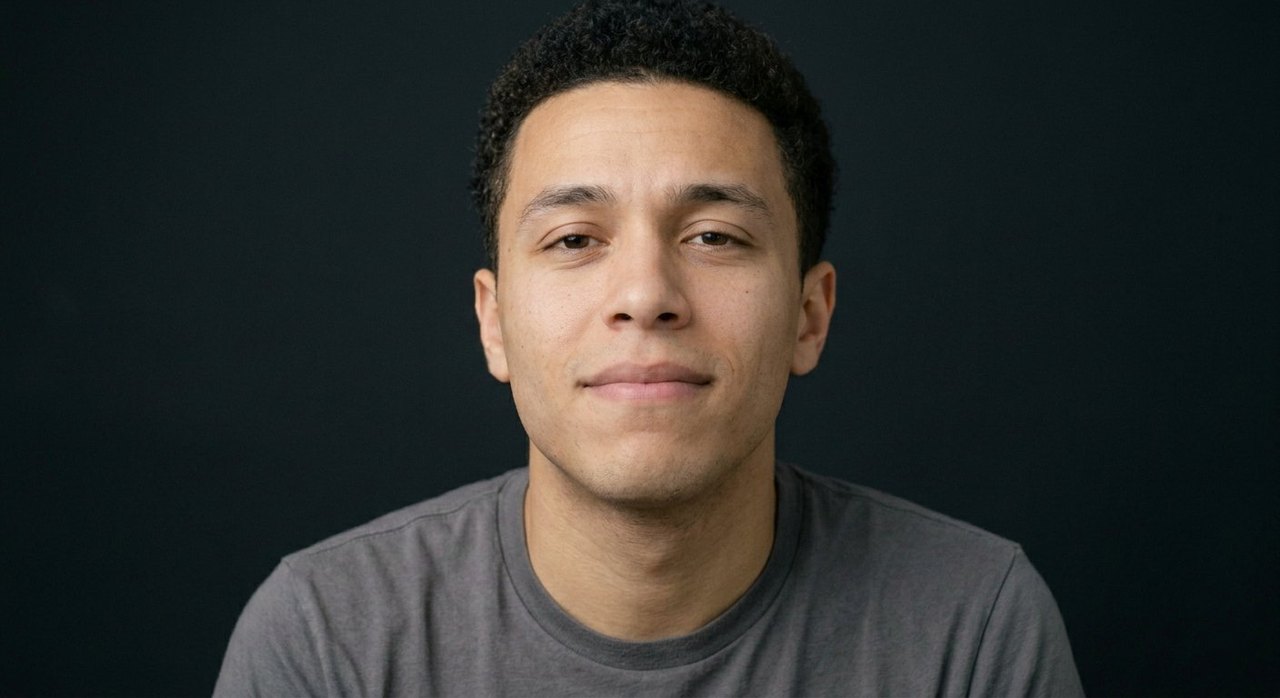
Pride
Warm self-regard for something you achieved or are.
Pride is warm self-regard for something you achieved or are. The chest expands, the head lifts, the shoulders draw back. It is among the most visible emotions. Psychology now distinguishes two forms, with authentic pride rooted in actual accomplishment.
Pride without hubris is an honest measurement
Pride in your work or your life has a bad reputation, because it gets confused with arrogance. It is different. Healthy pride is the accurate registration that you have done something well, become someone whole, built something real. The absence of pride is not humility. It is often just the inability to accept your own competence. This has a cost. You cannot rest if you cannot register what you have done. Learn to say, I did that, and I am glad I did. Quietly. To yourself. Pride, taken in small honest doses, is fuel. It keeps you doing the work. Denied pride becomes either depression or the grandiosity it was trying to avoid.
"The only thing that overcomes hard luck is hard work."
— Harry Golden
Pride is the most postural of emotions. The shoulders move back and slightly down. The chest opens. The head lifts. The body literally takes up more space. This is one of the few emotions that is recognisable across cultures and species: even people blind from birth show the same body posture when proud, suggesting it is biologically built in (Tracy and Matsumoto, 2008).
Tracy and colleagues' research on pride has consistently found it produces a recognisable nonverbal display that is universal across cultures and present in athletes blind from birth, indicating biological origin. They have also distinguished authentic pride (linked to genuine accomplishment, calmer body posture, and stronger social bonds) from hubristic pride (linked to comparison and superiority, more aggressive body posture, and weaker social bonds). The two share the chest expansion but differ in the rest of the signature.

Pride exists because humans depend on cooperation, and the system needs to register when individuals contribute meaningfully. The trigger is rarely random. Common patterns include:
Pride is healthy when it is grounded in reality and does not require putting others below you. The following practices help keep pride in its useful form.
Anchor pride to specific actions
Pride in concrete things you did or values you upheld is sturdier than pride in identity alone. 'I worked hard on this and it shows' is more grounded than 'I am exceptional'. The first builds. The second corrodes.
Acknowledge the help
Authentic pride includes recognition of the people and conditions that made the achievement possible. Hubristic pride erases them. Naming what others contributed to your success often deepens the pride rather than reducing it.
Notice if pride is being used to manage shame
Some pride is genuine. Some is a defence: feeling proud to avoid feeling inadequate. The second is brittle and often becomes hubristic over time. If your pride needs constant maintenance and external validation, it may be doing shame's work.
Let yourself feel it without performing it
Many people feel pride privately but cannot tolerate showing it, often because it was punished or shamed in childhood. Letting the body register pride, without needing to either hide it or display it, is the work for many adults.
Distinguish self-worth from accomplishment
Pride from achievement is real but should not be the only source of self-regard. People who tie their worth entirely to accomplishment become fragile when achievement falters. Building self-worth from values, relationships, and inherent dignity, alongside achievement, makes the whole structure sturdier.
"Authentic pride says 'I did this and it mattered'. Hubristic pride says 'I am better than they are'. The body knows the difference."
— A frame from Tracy's research on the two forms of pride
Is pride a sin or a virtue?
It depends on which form. Modern psychology distinguishes authentic pride (rooted in actual accomplishment and connection to others) from hubristic pride (rooted in superiority over others). Authentic pride is associated with healthy self-esteem, stronger relationships, and pro-social behaviour. Hubristic pride is associated with narcissism, conflict, and weaker relationships. Religious and moral traditions warning against pride are usually pointing at the hubristic form.
Where do people feel pride in the body?
Pride is the most postural of emotions. The chest expands, the shoulders draw back, the head lifts, and the body literally takes up more space. The face often shows a slight smile and direct gaze. This posture is universal across cultures and is shown even by people blind from birth, indicating it is biologically built in rather than learned.
What is the difference between pride and arrogance?
Pride is recognition of what you have done or are. Arrogance is felt superiority over others. Pride does not require comparison. A person can feel proud of their work without thinking less of anyone else. Arrogance always involves the comparison. The two emotions feel different in the body and have very different effects on relationships.
Why do I feel guilty when I feel proud?
Some people experience guilt or shame when pride arises, often because of cultural or family messages that pride is dangerous or that you should not 'get above yourself'. This pattern is more common in some cultures and family environments than others. Recognising the guilt as learned rather than as truth about pride is the first step. Pride itself is not the problem.
How do you take pride in your work without becoming arrogant?
Anchor pride to specific actions and effort rather than to identity or comparison. Acknowledge the people and conditions that made the achievement possible. Notice when pride is being used to manage shame versus arising from genuine accomplishment. Pride that includes gratitude tends not to tip into arrogance. Pride that requires putting others below you has already tipped.
- Tracy, J. L., & Matsumoto, D. (2008). The spontaneous expression of pride and shame: Evidence for biologically innate nonverbal displays. Proceedings of the National Academy of Sciences, 105(33), 11655–11660. https://www.pnas.org/doi/10.1073/pnas.0802686105
- Tracy, J. L., & Robins, R. W. (2007). The psychological structure of pride: A tale of two facets. Journal of Personality and Social Psychology, 92(3), 506–525. https://psycnet.apa.org/doi/10.1037/0022-3514.92.3.506
- Williams, L. A., & DeSteno, D. (2008). Pride and perseverance: The motivational role of pride. Journal of Personality and Social Psychology, 94(6), 1007–1017. https://psycnet.apa.org/doi/10.1037/0022-3514.94.6.1007
Pride sits in the self-conscious family alongside shame, guilt, and embarrassment. These emotions all involve the self being evaluated. Pride is the positive evaluation, but as the research on its two forms shows, not all pride is the same.
See where pride sits among the other 402 emotions.
Open Pride on the wheel