Triumph
Victory-charged exultation after overcoming something.
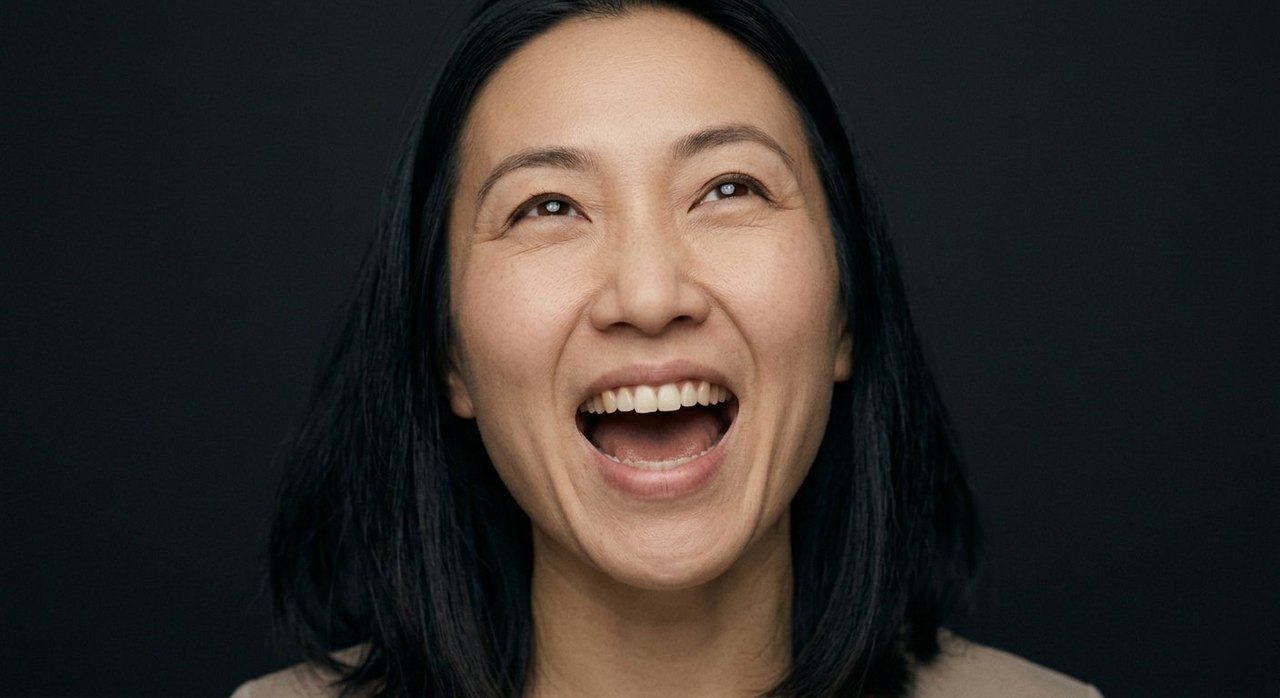
Triumph is victory-charged exultation after overcoming something. The chest expands fully and the arms want to rise. The achievement required overcoming substantial obstacles, and the win proves something through itself. The victory demands open expression and celebration.
Mark the victory before the next thing
We are good at moving on. Triumph teaches the opposite. Stay with this for a moment. The hard thing is done. You did it. The instinct will be to immediately frame what comes next, what other peaks you must climb, what this proves you must now also prove again. Resist that. Stop. Stand on the summit. Look at the view. Say to someone who matters, I did this, and let them say back, I see it. Triumph that is rushed past does not nourish. The brain learns from victory only when victory is named and held. You will need this nourishment for the next thing. Take it now.
"Do not yield to misfortunes, but advance more boldly to meet them, as your fortune permits you."
— Virgil
Triumph has a distinctive body signature of victory expansion. The chest expands fully, often with arms raised. The face shows full broad smile, often with raised brow. The voice often rises in celebratory exclamation. The body wants to move in particular triumphant ways: raised fists, jumping, dancing. The posture is characteristically expanded, taking up space. Research on the triumph body posture has shown this is one of the most cross-culturally consistent body expressions, occurring even in people blind from birth who could not have learned it through observation. The state is typically brief at peak intensity but produces sustained positive effects.
Triumph has been studied extensively, particularly through Tracy and Matsumoto's research on the triumph display (Tracy & Matsumoto, 2008). Their research showed that the triumph posture (arms raised, chest expanded, head back) appears in athletes including those who were born blind and could not have learned the expression through observation, suggesting strong biological basis for the expression. Research on pride has distinguished authentic pride (response to specific achievement through effort) from hubristic pride (response to global self-elevation); triumph aligns more with authentic pride following significant overcoming.

Triumph arises through specific conditions involving achievement after significant overcoming. Common patterns include:
Triumph is one of the more rewarding intense positive emotions when fully experienced. The following help.
Allow full expression
Triumph involves the specific body expression (arms raised, chest expanded, vocal exclamation) that some cultural patterns discourage as undignified. Allowing yourself to actually express triumph, including the visible body expression, supports the full experience and its benefits. The suppression of triumph reduces both the immediate experience and the felt sense of achievement.
Share with others who shared the journey
Triumph after overcoming is often deepest when shared with others who shared the journey: teammates, family who supported, friends who witnessed the struggle. Sharing the triumph with these others both amplifies your experience and acknowledges their role; this often produces sustained relational benefits beyond the immediate triumph.
Take time to absorb the achievement
Significant overcoming often warrants more time than it typically receives. Quickly moving to next concerns after major achievements often produces less integration of what was overcome. Building in time for triumph supports better integration of what was accomplished and what it means.
Notice without becoming hubristic
Triumph can shade into hubristic pride if extended too far. Authentic triumph responds to specific achievement through effort; hubristic pride involves global self-elevation that often damages relationships and produces blind spots. Working toward authentic triumph that recognises the specific achievement without becoming sustained self-elevation supports better outcomes.
If triumph has become inaccessible
Sustained inability to feel triumph at significant achievements may signal patterns worth attending to: depression that has reduced positive emotional capacity, perfectionism that minimises actual accomplishments, particular psychological structures. The capacity for triumph is widely shared; sustained inability to access it after genuine overcoming often points at something specific that can be addressed.
"Tracy and Matsumoto's research showed that the triumph posture appears in athletes including those born blind, suggesting strong biological basis for the expression of this emotion."
— A summary of Tracy and Matsumoto's research on triumph display
What is triumph?
Triumph is victory-charged exultation after overcoming something. The body has been activated by significant achievement, particularly achievement that required overcoming substantial obstacles, with particular celebration that goes beyond ordinary happiness. The chest expands fully. The arms want to rise. There is a quality of having proven something through the achievement, of having overcome what was being fought against, of victory that demands expression. Triumph specifically refers to the felt experience of having overcome significant obstacles in achieving something, with particular celebratory quality that includes recognition of what was overcome.
Where do people feel triumph in the body?
Triumph has a distinctive signature of victory expansion. The chest expands fully, often with arms raised. The face shows full broad smile, often with raised brow. The voice often rises in celebratory exclamation. The body wants to move in particular triumphant ways: raised fists, jumping, dancing. The posture is characteristically expanded, taking up space. Research on the triumph body posture has shown this is one of the most cross-culturally consistent body expressions, occurring even in people blind from birth who could not have learned it through observation. The state is typically brief at peak intensity but produces sustained positive effects.
Why do people raise their arms when they triumph?
Research by Tracy and Matsumoto on triumph display showed that the arms-raised posture appears in athletes including those who were born blind and could not have learned the expression through observation. This suggests strong biological basis for the specific body expression of triumph. The cross-cultural consistency and the appearance in congenitally blind athletes both indicate that this is one of the universal emotional displays rather than a learned cultural behaviour. The display likely evolved to communicate status and victory to others, with the expansion of the body making the triumphant person more visually prominent. Athletes around the world produce essentially the same display after significant victories.
How is triumph different from regular happiness about success?
Triumph is the specific intense form of positive response that follows overcoming significant obstacles. Ordinary happiness about success can occur with easier accomplishments that did not require significant overcoming. Triumph involves the additional dimensions: the recognition of what was overcome, the celebratory body expression, the intense expansive feeling that ordinary positive response to success does not produce. Research on pride has distinguished authentic pride (response to specific achievement through effort) from hubristic pride (response to global self-elevation); triumph aligns more with authentic pride following significant overcoming. The combination of achievement and overcoming is what distinguishes triumph from broader positive responses to accomplishment.
How do you fully experience triumph?
Several practices support full experience. Allowing full expression, including the visible body expression (arms raised, chest expanded, vocal exclamation), supports the full experience and its benefits; cultural pressure toward dignified restraint often reduces both immediate experience and felt sense of achievement. Sharing with others who shared the journey amplifies your experience and acknowledges their role. Taking time to absorb the achievement supports better integration than quickly moving to next concerns. Noticing without becoming hubristic supports better outcomes; authentic triumph responds to specific achievement through effort while hubristic pride involves global self-elevation that damages relationships. When triumph has become inaccessible at significant achievements, sustained inability may signal depression, perfectionism, or other patterns warranting attention; the capacity for triumph is widely shared and rarely permanently lost.
- Tracy, J. L., & Matsumoto, D. (2008). The spontaneous expression of pride and shame: Evidence for biologically innate nonverbal displays. Proceedings of the National Academy of Sciences, 105(33), 11655–11660. https://www.pnas.org/doi/10.1073/pnas.0802686105
Triumph sits in the joy family as one of its most intense and structurally specific forms. It overlaps with pride when broader response to accomplishment is involved, with exultation as a near-synonym, with victory as the broader category often invoked, with what Tracy and Matsumoto's research identified as one of the most cross-culturally consistent emotional displays, and with what achievement research has identified as one of the key emotions in the cycle of effort and accomplishment.
See where triumph sits among the other 402 emotions.
Open Triumph on the wheel