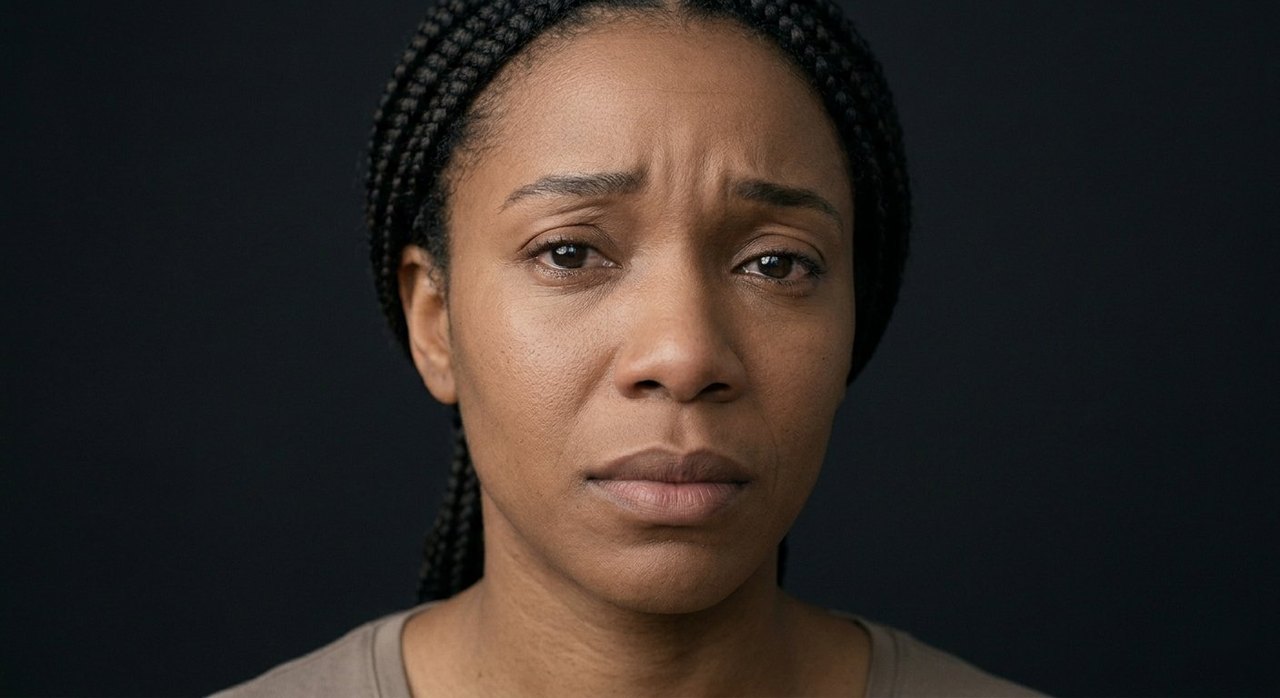
Betrayal
Shattering trust violation by someone you relied on.
Betrayal is the shattering violation of trust by someone you relied on. The wound is double. There is the harm, and the discovery that a safe person caused it. The chest can carry a breaking sensation. What you knew turns out different.
Betrayal takes longer to recover from than you think
Betrayal is an injury to the part of you that decides who is safe. Because of this, the effects go deeper than a single event. For a while after a betrayal, everyone may seem suspect. This is the system over-correcting, not an accurate reading of the world. Do not make large decisions about people in the first year after a significant betrayal. Your instrument is recalibrating. Some relationships will survive the recalibration. Some will not. Both outcomes are fine. What is essential is that you allow the grief to run, the anger to be spoken, the trust to rebuild slowly. Premature forgiveness is not forgiveness. It is repression, and it leaks. Take the time.
"The worst part about being lied to is knowing you weren't worth the truth."
— Jean-Paul Sartre
Betrayal has a distinctive body signature combining shock and pain. The chest can carry a particular breaking or shattering sensation. The stomach may turn or knot. The breath becomes uneven. There is often a strange quality of the world looking unfamiliar, as if the betrayal has changed what you are seeing. The face may show particular blankness as the system tries to process what has happened. The body holds itself differently: more guarded, less open, sometimes physically smaller. Acute betrayal can produce trauma-like body responses including hypervigilance, sleep disruption, and difficulty being present.
Research on betrayal has been particularly developed by Jennifer Freyd, whose betrayal trauma theory examines what happens when those depended upon for survival or well-being violate trust (Freyd, 1996). The research has shown that betrayal by trusted others, particularly close attachment figures, can produce distinct psychological effects different from non-betrayal trauma. The closer and more depended-upon the betrayer, the more likely the betrayal is to produce significant psychological aftereffects, including dissociation, memory issues, and disrupted trust patterns. This is sometimes called the betrayal-trauma effect.

Betrayal arises specifically when someone you trusted violates that trust. Common patterns include:
Betrayal is one of the deeper wounds humans can sustain and benefits from being taken seriously. The following help.
Acknowledge what happened
Many people minimise betrayal, especially by people they love, telling themselves it was not that serious or trying to move past it without acknowledging the actual harm. The minimisation usually prolongs the suffering rather than reducing it. Acknowledging clearly what was done, what was broken, what was lost is often necessary before genuine recovery can begin.
Allow time
Significant betrayal does not resolve quickly. Months or years are common for serious betrayals. Trying to rush past betrayal usually produces incomplete healing. The capacity to trust, including to trust your own judgement about people, often takes substantial time to rebuild after major betrayal. Treating betrayal as something that takes time, like physical injury, is more accurate than treating it as something that should be over quickly.
Get support
Betrayal processed alone tends to fester. Trusted people who can hear the story, validate the harm, and stay present through the working-through provide essential support. Therapy is appropriate for significant betrayal, particularly betrayal by caregivers, romantic partners, or in institutional contexts. Specialised approaches exist for betrayal trauma.
Distinguish recovery from reconciliation
Recovery from betrayal is your work. Reconciliation with the betrayer is a separate question. Some betrayals can be reconciled; some cannot. Recovery does not require reconciliation. You can recover from significant betrayal without resuming the relationship with the betrayer, and you can attempt reconciliation that fails without losing your recovery work. Treating these as separate often clarifies the path forward.
Be careful about the bigger conclusions
Betrayal often produces broad conclusions: nobody can be trusted, the world is dangerous, I was foolish to trust at all. These conclusions usually exceed what the betrayal actually warrants. The specific betrayer being untrustworthy does not mean all people are untrustworthy; trusting that turned out to be misplaced does not mean trusting was a mistake. Working with the broader conclusions, often in therapy, is part of preserving your capacity for relationship after significant betrayal.
"Betrayal by someone you depended on for safety is psychologically distinct from harm by strangers. The dependence is part of what makes the wound so deep."
— A summary of betrayal trauma research
What is betrayal?
Betrayal is the shattering violation of trust by someone you relied on. The wound is double: there is the original harm, and there is the recognition that the person who harmed you was supposed to be safe. It is one of the most psychologically significant social emotions because of how deeply it can affect both your relationship to specific people and your broader capacity for trust. Betrayal can occur through actions, omissions, broken commitments, or violations of implicit agreements.
Where do people feel betrayal in the body?
Betrayal has a distinctive signature combining shock and pain. The chest can carry a particular breaking or shattering sensation. The stomach may turn or knot. The breath becomes uneven. There is often a strange quality of the world looking unfamiliar, as if the betrayal has changed what you are seeing. The face may show particular blankness as the system tries to process what has happened. The body holds itself differently: more guarded, less open, sometimes physically smaller. Acute betrayal can produce trauma-like body responses.
Why does betrayal hurt more than ordinary harm?
Research on betrayal trauma, particularly Jennifer Freyd's work, has shown that betrayal by trusted others, particularly close attachment figures, produces distinct psychological effects different from non-betrayal trauma. The closer and more depended-upon the betrayer, the more likely the betrayal is to produce significant psychological aftereffects, including dissociation, memory issues, and disrupted trust patterns. The dependence is part of what makes the wound so deep: the person who harmed you was supposed to be safe, which violates a fundamental assumption rather than just causing harm.
Can you recover from major betrayal?
Yes, but it typically takes time and often benefits from professional support. Significant betrayal does not resolve quickly; months or years are common for serious betrayals. Recovery involves acknowledging what happened, allowing the time needed for the wound to integrate, getting support, and gradually rebuilding the capacity for trust. The capacity to trust, including to trust your own judgement about people, often takes substantial time to rebuild after major betrayal. Specialised therapeutic approaches exist for betrayal trauma.
Do you have to forgive the person who betrayed you?
No. Forgiveness is sometimes part of recovery but is not required for it. Recovery from betrayal is your work. Reconciliation with the betrayer, including forgiveness, is a separate question. Some betrayals can be forgiven; some cannot. You can recover from significant betrayal without forgiving the betrayer, and you can attempt forgiveness or reconciliation that fails without losing your recovery work. Some traditions emphasise forgiveness more than others, but the research on recovery does not require it as a precondition for healing.
- Freyd, J. J. (1996). Betrayal Trauma: The Logic of Forgetting Childhood Abuse. Harvard University Press.
- Smith, C. P., & Freyd, J. J. (2014). Institutional betrayal. American Psychologist, 69(6), 575–587. https://psycnet.apa.org/doi/10.1037/a0037564
Betrayal sits in the social family as one of its most psychologically significant states. It overlaps with anger when the harm is fresh, with grief when the loss is central, with trauma when the betrayal was severe, and with what trust research treats as the foundation of social functioning.
See where betrayal sits among the other 402 emotions.
Open Betrayal on the wheel