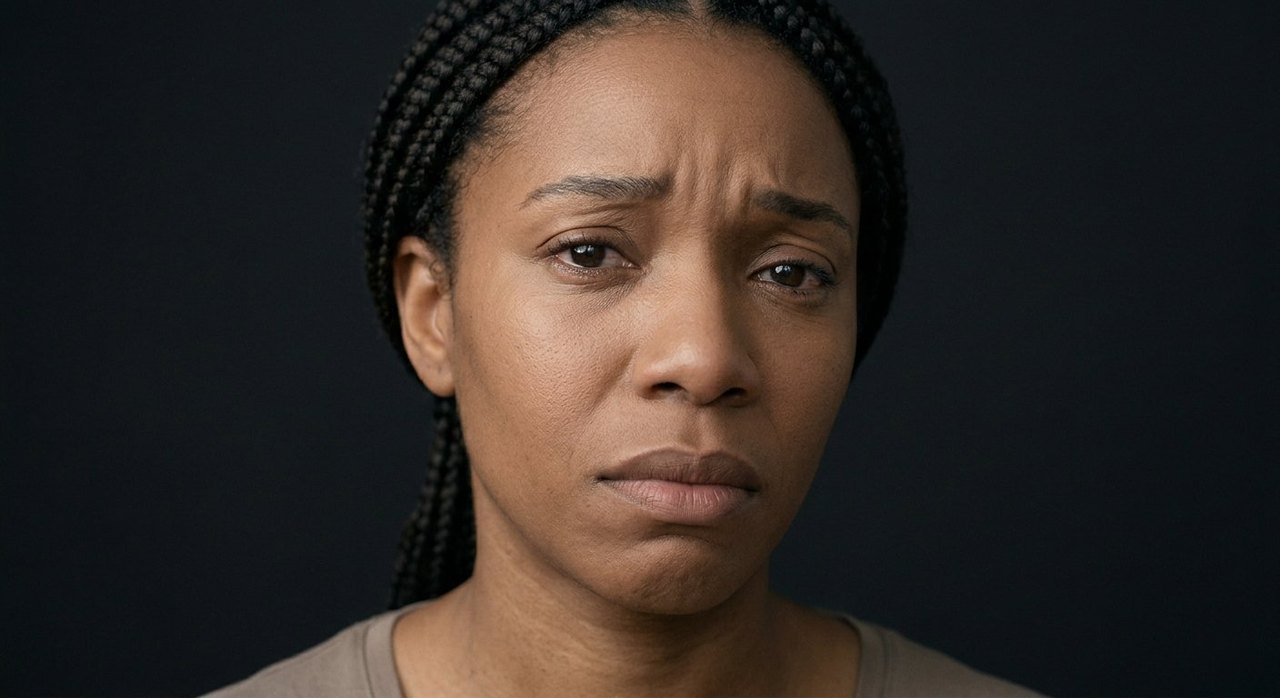
Rejection
The sting of being turned away or unwanted.
Rejection is the sting of being turned away or unwanted. The chest tightens and the stomach drops. The brain processes social exclusion through some of the same pathways as physical injury. The pain is measurable, not metaphor.
Rejection is almost never the final word
Rejection stings because the brain evolved in small tribes where exclusion was often deadly. This is why a no from a stranger, a turndown from an employer, an unanswered message from someone you liked feels so disproportionate. It is not a rational reaction. It is a survival reflex. Treat it as such. Feel the sting. Do not build a whole theory of your worthlessness around it. The rejecting party is working from incomplete information, their own constraints, their own moment. Most rejections are not about you. Some are. Either way, what matters is what you do next. Try again. Try somewhere else. Keep moving. The worst thing rejection can do is stop you reaching. It can only do this if you let it.
"I have not failed. I've just found 10,000 ways that won't work."
— Thomas Edison
Rejection has a distinctive body signature that often surprises people with its physical intensity. The chest tightens or aches. The stomach drops or knots. There can be a particular hollow sensation around the heart. The face wants to crumple or freeze. The whole body often pulls inward, as if to protect itself. The throat may tighten. There is often a sense of being smaller, of wanting to disappear from view. The intensity scales with the importance of the relationship: rejection by someone you barely know produces a sting; rejection by someone central to your life can be profoundly destabilising.
Research on rejection has identified a remarkable overlap between social and physical pain. Eisenberger, Lieberman, and Williams's fMRI work showed that social exclusion activates many of the same brain regions as physical injury, particularly the dorsal anterior cingulate cortex (Eisenberger, Lieberman, & Williams, 2003). Subsequent research has shown that the experience of rejection is genuinely painful in a sense that goes beyond metaphor: paracetamol has been shown to reduce social pain in some studies (DeWall et al., 2010). Kipling Williams's extensive research on ostracism has shown that even brief, computer-mediated exclusion produces measurable distress within minutes (Williams, 2007).

Rejection arises in any situation where another person or group communicates, explicitly or implicitly, that you are not wanted. Common patterns include:
Rejection is genuinely painful and benefits from being taken seriously rather than dismissed. The following help.
Allow the pain
Many people dismiss their own rejection pain as overreaction, weakness, or making too much of something small. The pain is real and warrants acknowledgment. Treating it as legitimate, rather than as something you should be over, usually allows it to move through faster than denial does.
Resist the meaning-making spiral
The brain tends to interpret rejection as evidence about your worth: I was rejected because I am unworthy, unloveable, fundamentally flawed. These interpretations usually exceed what the actual rejection tells you. Distinguishing what happened from what you are making it mean often reduces the suffering substantially, even when the pain itself remains.
Reach out to people who do choose you
Rejection by some does not change that others have chosen you. Spending time with people who reliably want you in their life is often the most direct counter to rejection pain. This is not denial; it is restoring proportionate perspective by including the evidence that the rejecting party did not.
Recognise that rejection often says more about fit than worth
Most rejection is about fit between particular parties at a particular time, not about your fundamental worth. Romantic rejection often says more about compatibility than about whether you are worth loving. Job rejection often says more about specific needs than about your competence. Holding this distinction does not eliminate pain but often makes it more bearable.
If rejection has become chronic
Sustained patterns of rejection across many areas of life, particularly when accompanied by deep beliefs about unworthiness, often signal something more substantial than individual rejection events. Trauma responses, depression, attachment patterns from early life, or specific patterns of choosing situations where rejection is likely all warrant attention beyond the individual rejections themselves. Professional support can help when patterns are sustained.
"Rejection registers in the brain through some of the same circuits as physical injury. The pain is not a figure of speech. The body is responding to a genuine threat to belonging."
— A summary of findings from neuroscience research on social pain
Why does rejection hurt so much?
Research has identified a remarkable overlap between social and physical pain. Eisenberger, Lieberman, and Williams's fMRI work showed that social exclusion activates many of the same brain regions as physical injury, particularly the dorsal anterior cingulate cortex. The pain is not metaphorical; the brain genuinely processes rejection through some of the same circuits as physical injury. This is thought to reflect the evolutionary importance of belonging: for ancestral humans, exclusion from the group was a serious threat to survival. The brain treats rejection as the threat it once was, even when the modern context is much less dangerous.
Where do people feel rejection in the body?
Rejection has a distinctive signature that often surprises people with its physical intensity. The chest tightens or aches. The stomach drops or knots. There can be a particular hollow sensation around the heart. The face wants to crumple or freeze. The whole body often pulls inward, as if to protect itself. The throat may tighten. There is often a sense of being smaller, of wanting to disappear from view. The intensity scales with the importance of the relationship: rejection by someone you barely know produces a sting; rejection by someone central to your life can be profoundly destabilising.
Does rejection mean something is wrong with me?
Usually no. Most rejection is about fit between particular parties at a particular time, not about your fundamental worth. Romantic rejection often says more about compatibility than about whether you are worth loving. Job rejection often says more about specific needs of the role than about your competence. The brain tends to interpret rejection as evidence about your worth, but this interpretation usually exceeds what the actual rejection tells you. Distinguishing what happened from what you are making it mean is often part of the work of recovering from significant rejection.
How long does rejection pain last?
Variable, depending on the importance of the relationship and the specific circumstances. Brief, minor rejections may resolve within hours or days. Significant rejections (the end of long relationships, rejection by family of origin) can take months or years to fully process. The intensity usually declines over time even when complete resolution takes longer. If rejection pain persists at high intensity for many months without decline, professional support is appropriate.
Can rejection cause real harm?
Yes, in several ways. Acute rejection produces measurable distress and physiological stress responses. Sustained rejection or repeated rejection over time has been linked to depression, anxiety, and other mental health effects. Severe rejection from primary attachment figures, particularly during childhood, can produce lasting effects on attachment patterns and emotional regulation that may warrant therapeutic attention in adulthood. Rejection is not just unpleasant; it can have genuine consequences for well-being. Taking it seriously rather than dismissing it is usually the more accurate response.
- Eisenberger, N. I., Lieberman, M. D., & Williams, K. D. (2003). Does rejection hurt? An fMRI study of social exclusion. Science, 302(5643), 290–292. https://www.science.org/doi/10.1126/science.1089134
- Williams, K. D. (2007). Ostracism. Annual Review of Psychology, 58, 425–452. https://www.annualreviews.org/doi/10.1146/annurev.psych.58.110405.085641
- DeWall, C. N., MacDonald, G., Webster, G. D., Masten, C. L., Baumeister, R. F., Powell, C., ... & Eisenberger, N. I. (2010). Acetaminophen reduces social pain: Behavioral and neural evidence. Psychological Science, 21(7), 931–937. https://journals.sagepub.com/doi/10.1177/0956797610374741
Rejection sits in the social family as one of its most painful states. It overlaps with abandonment when the rejection is by someone central, with humiliation when the rejection has public dimension, and with sadness as the broader response that often follows.
See where rejection sits among the other 402 emotions.
Open Rejection on the wheel