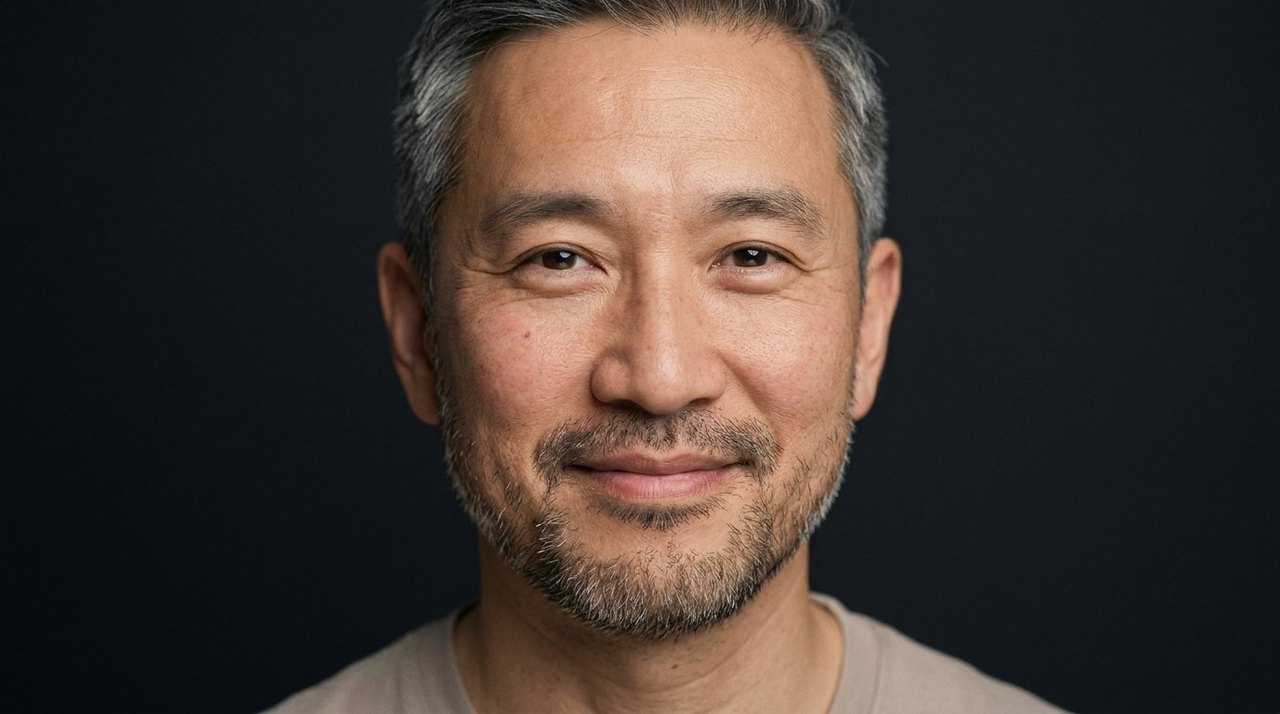
Acceptance
Willingness to receive what is offered or what is.
Acceptance is the willingness to receive what is offered, or to acknowledge what is. The body softens and the fight against reality stops. It is not agreement, approval, or resignation. It quietly shifts almost every feeling near it.
Acceptance is not approval. It is contact with reality.
Acceptance is often confused with resignation or endorsement. It is neither. Acceptance is the willingness to acknowledge what is actually here, including the parts you wish were different. Without this contact, all your strategies are aimed at a fantasy version of your situation, and they will fail accordingly. Accept the diagnosis. Accept the relationship as it actually is, not as you hoped. Accept the person, including the part that frustrates you. Then, from that ground, choose what to do. Acceptance is the only ground from which real change is possible. Denial keeps you running in place. Acceptance gives you something to push off from.
"Between stimulus and response there is a space. In that space is our power to choose our response."
— Viktor Frankl
Acceptance has one of the quietest body signatures of any emotion. The chest is at rest, neither braced nor expanded. The breath is even. The shoulders are down. There is no holding pattern in the face or the body. The system is no longer fighting the current shape of reality. This is the body in a particular kind of peace.
Acceptance has been studied extensively in the context of acceptance and commitment therapy and in mindfulness research. Studies have consistently found that acceptance-based approaches reduce psychological distress more reliably than approaches focused on changing or suppressing feelings (Hayes et al., 2006). Neuroimaging research has shown that acceptance is associated with reduced amygdala activation in response to negative stimuli, while suppression actually increases physiological arousal (Goldin et al., 2008).

Acceptance is not a default state. It tends to emerge in specific conditions, often after a period of resistance. Common patterns include:
Acceptance is one of the most studied emotional capacities in modern therapy because it is both teachable and useful. The practices below have evidence behind them.
Name what is, before deciding what to do about it
Many people skip the acceptance step entirely, moving straight from 'I do not like this' to 'how can I change it'. Naming what is, clearly and without adjective, before considering response, produces both calmer feelings and better decisions.
Notice when you are arguing with reality
Phrases like 'this should not be happening' or 'this is not fair' often signal that the system is in resistance to something that already is. The resistance does not change the reality. It only adds suffering. Catching the phrase and replacing it with 'this is what is' often helps.
Separate accepting from approving
The biggest barrier to acceptance is the fear that accepting means agreeing. It does not. Practising the explicit thought 'I accept that this is the case and I disagree with it' makes acceptance more available in situations where agreement is not possible.
Practise on small things
Acceptance is a capacity built through use. The queue is long, the weather is wet, the train is late. Practising acceptance in these low-stakes moments builds the skill for the higher-stakes ones.
If acceptance feels impossible
Sustained inability to accept something, particularly a loss or significant change, is sometimes a sign that the grieving process has become stuck or that the loss is too large for the current support system to hold. This is workable in therapy, particularly approaches like acceptance and commitment therapy that have specific tools for the kind of acceptance that does not arrive on its own.
"Acceptance is not approval. It is the willingness to start from where you actually are, rather than from where you wish you were."
— A frame from acceptance and commitment therapy
Is acceptance the same as giving up?
No. Acceptance is acknowledging reality clearly. Giving up is abandoning the possibility of response. A person can accept that they are seriously ill without giving up on treatment. They can accept that a relationship is over without giving up on having relationships. Acceptance is the prerequisite for clear action, not its opposite. People who cannot accept what is often respond to it badly because their energy is going into resisting reality rather than working with it.
Where do people feel acceptance in the body?
Acceptance has one of the quietest body signatures of any emotion. The chest is at rest, the breath is even, the shoulders drop, and the face relaxes. There is no holding pattern in the body. The system is no longer fighting the current shape of reality. This is the body in a particular kind of peace, distinct from both excitement and resignation.
What is the difference between acceptance and approval?
Approval is agreement or endorsement. Acceptance is recognition that something is the case. You can accept that your colleague was rude without approving of the rudeness. You can accept that your spouse is upset without agreeing that they should be. The difference is between acknowledging reality and endorsing it. Most people block acceptance because they fear it means approval. It does not.
How do you accept something painful?
Acceptance of painful realities usually does not happen quickly or by force. It tends to emerge through specific practices: naming what is clearly without adjective, noticing when you are arguing with reality, separating accepting from approving, and practising on smaller things first. Grief-related acceptance often takes months or years to arrive. Trying to rush it usually does not work.
Is acceptance always the right response?
No. Some situations call for resistance, action, or change. The skill is distinguishing what can be changed from what cannot. The serenity prayer captures this: acceptance of what cannot be changed, courage to change what can, and wisdom to know the difference. Acceptance applied to changeable circumstances becomes passivity. Resistance applied to unchangeable circumstances becomes suffering.
- Hayes, S. C., Luoma, J. B., Bond, F. W., Masuda, A., & Lillis, J. (2006). Acceptance and commitment therapy: Model, processes and outcomes. Behaviour Research and Therapy, 44(1), 1–25. https://www.sciencedirect.com/science/article/abs/pii/S0005796705001257
- Goldin, P. R., McRae, K., Ramel, W., & Gross, J. J. (2008). The neural bases of emotion regulation: Reappraisal and suppression of negative emotion. Biological Psychiatry, 63(6), 577–586. https://www.sciencedirect.com/science/article/abs/pii/S0006322307006403
- Hayes, S. C., Strosahl, K. D., & Wilson, K. G. (1999). Acceptance and Commitment Therapy: An Experiential Approach to Behavior Change. Guilford Press.
Acceptance sits in the trust family alongside trust, faith, and serenity. These emotions all involve a settled relationship with what is, though each works on a different scale and target.
See where acceptance sits among the other 402 emotions.
Open Acceptance on the wheel