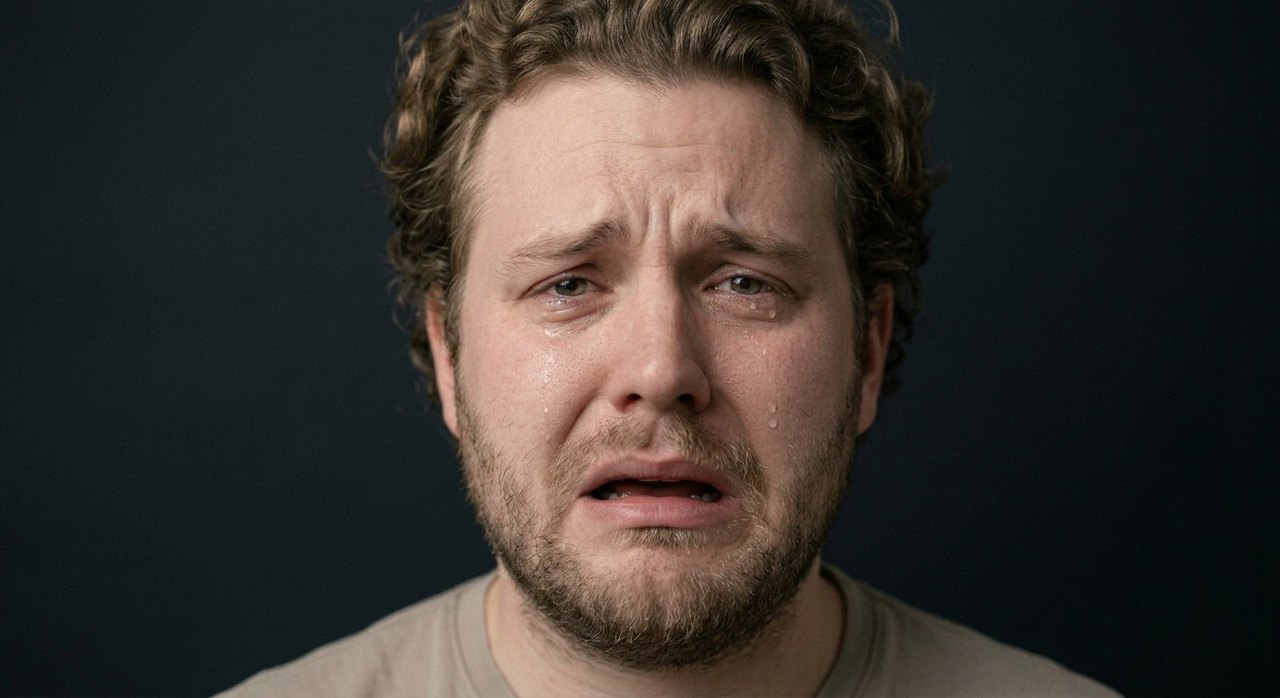
Woe
Deep, mournful unhappiness.
Woe is deep, mournful unhappiness. The chest carries a heavy weight and the face is drawn. The sorrow has substantial gravity beyond ordinary sadness. Something significant enough to warrant real mourning has settled in and stays.
Old words for old feelings still work
Woe is an older word than our usual vocabulary of sadness. It carries weight. It sounds biblical, because it is. To be in woe is to be in sustained, deep unhappiness for a real reason. Things are not okay. Something important has gone wrong. The response to woe is not positivity. It is acknowledgement. Tell the truth about your situation. Seek counsel. Rest. Eat. Do not try to will yourself into cheer. The situation has earned your grief. Honour it. In time, your condition will change, or you will. In the meantime, live carefully. People in woe should not make large decisions, but they can still make small, kind ones. That is enough for now.
"Weeping may endure for a night, but joy comes in the morning."
— Book of Psalms
Woe has a distinctive body signature of deep weighted mournful sadness. The chest carries heavy sustained weight. The breath becomes slower and deeper, sometimes with sighing quality. The face shows particular drawn weighted quality, often with downturned mouth and reduced animation. The voice carries particular low mournful quality. The body holds itself in a way that suggests being weighted by significant sorrow: posture often slumped, gestures reduced, attention engaged with the sorrow rather than with external stimuli. The state can be sustained over weeks, months, or longer when underlying conditions support it.
Woe has been engaged with extensively in religious and literary traditions as one of the more substantial forms of suffering worth naming. Contemporary research has examined related constructs through study of grief, depression, and sustained sadness. The distinction between ordinary sadness, woe, and clinical depression has been engaged with both in clinical contexts and in broader cultural framings. The capacity for woe appears widely shared though substantial individual and cultural variation exists in how it is experienced and expressed.

Woe arises through specific conditions involving substantial sorrow. Common patterns include:
Woe is one of the more substantial sadness states warranting respect rather than rushing through. The following help.
Allow woe its appropriate expression
Woe often warrants being felt and expressed rather than suppressed or rushed through. Allowing woe its appropriate expression, including through mourning practices, ritual, or sustained engagement with what produces it, often supports better integration than premature attempts to move past it.
Receive support from others when appropriate
Woe often benefits from support of others who can be present with it without trying to fix it. Connection with people who can witness woe without rushing to resolution often supports better engagement than carrying woe alone. The community dimension matters for many forms of significant sorrow.
Engage with traditions that have wisdom about it
Religious, philosophical, and various cultural traditions have substantial wisdom about woe including mourning practices, rituals for significant loss, and frameworks for engaging with substantial sorrow. Engaging with these traditions when they speak to you provides resources that pure individual engagement may not provide.
Distinguish from clinical depression
Severe sustained woe that significantly impairs functioning may indicate clinical depression warranting treatment. The distinction matters because depression responds to specific treatment that ordinary woe may not require. Features that suggest clinical condition include severity that impairs functioning, sustained patterns despite engagement, and other depression features.
If woe has crossed into clinical territory
When woe has crossed into clinical depression with significant impairment, professional support is appropriate. Therapy and other treatment can help when the state has become clinical. Crisis resources are appropriate when needed for thoughts of self-harm: UK Samaritans 116 123; US 988; Australia Lifeline 13 11 14.
"Religious and literary traditions have engaged extensively with woe as one of the more substantial forms of suffering worth naming, distinguishing it from ordinary sadness."
— A theme in traditional engagement with woe
What is woe?
Woe is deep, mournful unhappiness. The body has been weighted by significant sadness, with quality of mournful depth that exceeds ordinary sadness into territory of profound sorrow. The chest carries heavy weight. The face shows particular drawn quality. There is a quality of being deeply unhappy in way that has substantial gravity, of being affected by something significant enough to warrant mourning, of operating from sustained sorrow rather than acute distress. Woe specifically refers to deep mournful unhappiness.
Where do people feel woe in the body?
Woe has a distinctive signature of deep weighted mournful sadness. The chest carries heavy sustained weight. The breath becomes slower and deeper, sometimes with sighing quality. The face shows particular drawn weighted quality, often with downturned mouth and reduced animation. The voice carries particular low mournful quality. The body holds itself in a way that suggests being weighted by significant sorrow: posture often slumped, gestures reduced, attention engaged with the sorrow rather than with external stimuli. The state can be sustained over weeks, months, or longer when underlying conditions support it.
How is woe different from sadness?
Sadness is the broader category that includes many forms with various intensities. Woe is the specific deep mournful form. A person can be sad without woe (ordinary sadness without the deep mournful quality). Woe involves the additional depth and mournful dimensions that broader sadness does not require. Sadness can be relatively mild and brief; woe involves substantial gravity that warrants more substantial engagement. The distinction matters because the responses appropriate to each differ: ordinary sadness may pass with time and ordinary engagement; woe often warrants more sustained engagement including potentially mourning practices, ritual, or substantial work with what produces it. Both have their place; woe is one of the more substantial sadness forms while ordinary sadness is more frequent and typically less demanding of substantial engagement.
What causes woe?
Several conditions can produce woe. Significant losses including deaths of loved ones, major life losses, or sustained losses over time often produce woe as appropriate response; the combination of significance with the loss produces conditions for the deep mournful response. Sustained difficult life conditions including chronic illness, sustained poverty, ongoing relationship difficulties, or other persistent challenges often produce woe as cumulative response; the accumulated weight produces conditions for woe even when no specific acute event has occurred. Sometimes woe arises from recognition of significant truths about life, mortality, suffering, or other dimensions that warrant deep response; many religious and philosophical traditions have engaged with this form of woe. Some sustained woe reflects particular psychological patterns including depression, sustained grief, or specific responses to trauma that may warrant clinical attention when they significantly impair functioning.
How do you cope with woe?
Several practices help. Allowing woe its appropriate expression rather than suppressing or rushing through it supports better integration; mourning practices, ritual, or sustained engagement with what produces woe often serve better than premature attempts to move past it. Receiving support from others who can be present with woe without trying to fix it often supports better engagement than carrying woe alone; the community dimension matters for many forms of significant sorrow. Engaging with traditions that have wisdom about woe including mourning practices, rituals for significant loss, and frameworks for engaging with substantial sorrow provides resources. Distinguishing from clinical depression matters; severe sustained woe that significantly impairs functioning may indicate depression warranting treatment. When woe has crossed into clinical depression with significant impairment, professional support is appropriate; therapy and other treatment can help when the state has become clinical.
No source-level citations are stored for this entry yet. The dictionary draws on the broader literature in affective neuroscience, psychology and cross-cultural emotion research. See the About page for the project's wider references.
Woe sits in the sadness family as one of its most substantial forms. It overlaps with grief when specific loss is central, with sorrow as a closely related state, with depression when clinical features are present, with what religious and literary traditions have engaged with as warranting substantial naming and engagement, and with what mourning practices across cultures have developed to support engagement with deep sorrow.
See where woe sits among the other 402 emotions.
Open Woe on the wheel