Bliss
Supreme, perfect happiness without agitation.
Bliss is supreme, perfect happiness without agitation. The chest is full and quiet, with no edge of want. Nothing pulls you toward elsewhere. It is rare because it joins intense positive feeling with complete rest.
Bliss visits. It does not stay.
Bliss is a state of being so settled, so complete, that nothing is missing and nothing is wanted. It is rare. It cannot be summoned. People spend lifetimes chasing it through meditation, drugs, lovers, mountains. The chasing is not the problem. The clinging is. When bliss arrives, do not try to bottle it. Do not try to teach others how to find it. Do not build a religion around your own moment. Receive it. Be changed by it, quietly. Then return to the regular life, which is mostly not bliss, and live it with the memory that bliss is possible. That memory itself is enough.
"Follow your bliss and the universe will open doors where there were only walls."
— Joseph Campbell
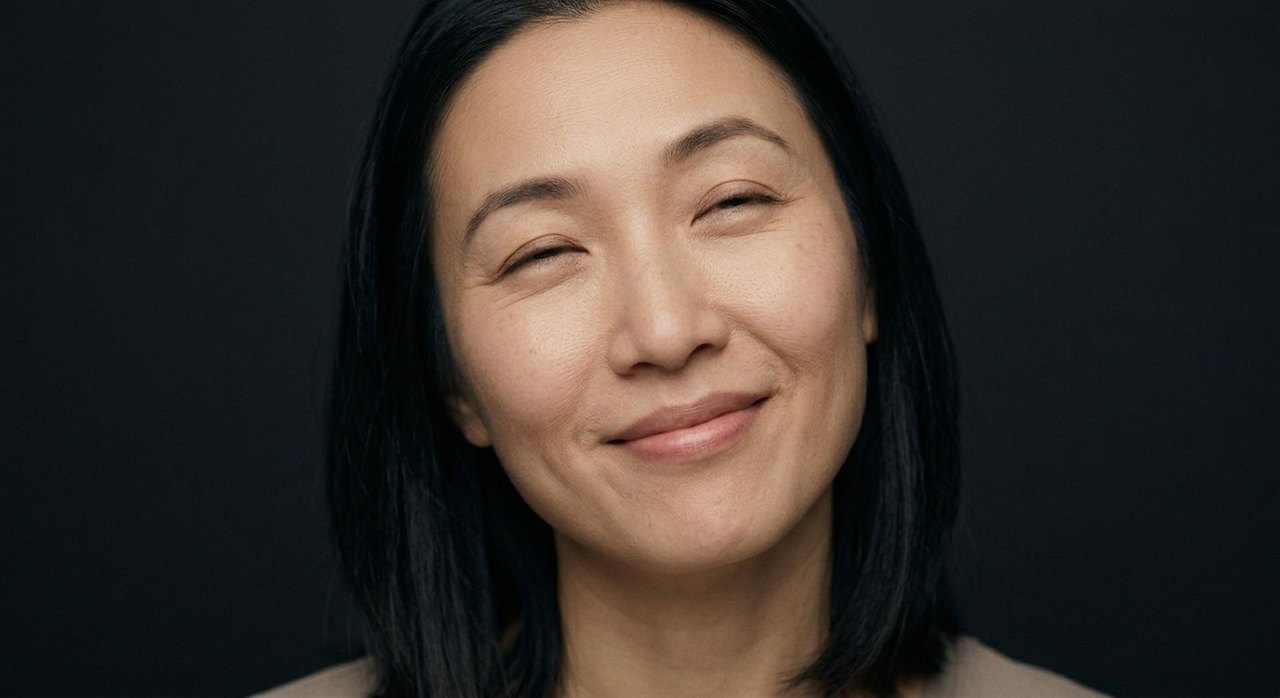
Bliss has a distinctive body signature of intense positive ease. The chest is full but quiet, without the activation of more energetic positive states. The breath is full and slow. The face holds soft sustained smile that may persist for extended periods. The body holds itself in a way that suggests complete settled engagement; there is no impulse to move toward anything because everything needed is already present. The voice often becomes quieter when speaking from bliss. Time often seems to slow or to stop mattering. The state is typically brief in most lives but can be sustained for longer periods through specific practices or in particular conditions.
Bliss has been studied within research on intense positive states, mystical experience, and contemplative practice. Research on meditation and contemplative practices has documented states resembling bliss through specific neuroscientific measurements, particularly in advanced practitioners (Newberg et al., 2010). The concept of flow, developed by Csikszentmihalyi, captures some elements of bliss when sustained engagement produces deep positive feeling without agitation (Csikszentmihalyi, 1990). Religious and spiritual traditions across cultures have developed practices specifically aimed at cultivating bliss states, with substantial accumulated wisdom about the conditions that support them.

Bliss arises through specific conditions involving deep positive feeling combined with complete ease. Common patterns include:
Bliss cannot be forced but conditions for it can be supported. The following help.
Engage with contemplative practice
Many contemplative traditions have developed substantial practices for cultivating bliss states. Sustained meditation, contemplative prayer, certain yoga practices, and similar traditions have accumulated significant wisdom about conditions that support bliss. Engagement with these traditions over time, with appropriate guidance, often produces increasing access to bliss states.
Build conditions for deep engagement
Some bliss arises in deeply engaged activity. Building conditions that support deep engagement, including activities matched to your capacity, environments without constant interruption, and sustained attention to what you are doing, supports the conditions where flow and occasional bliss develop.
Reduce sustained agitation
Bliss requires the absence of agitation. Sustained patterns of anxiety, restless wanting, sustained striving, or other patterns of agitation typically prevent bliss even when its other conditions might be present. Working with these patterns, often through therapy or contemplative practice, supports access to states of deeper ease.
Allow brief bliss when it arises
Brief moments of bliss arise in many lives but are often interrupted by the impulse to extend, document, or analyse them. Allowing brief bliss to be present, without immediate management, often supports its natural unfolding. The grasping at bliss often prevents the very state that is being sought.
If sustained bliss-seeking has become problematic
Some patterns of sustained bliss-seeking through various means become problematic: substance use, escapist patterns, withdrawal from engagement with life. The pursuit of bliss can become its own difficulty when it disconnects from sustainable engagement with life. Working with these patterns, often through therapy or contemplative guidance, supports more sustainable orientation toward what bliss can actually contribute to a life.
"Research on meditation and contemplative practices has documented states resembling bliss through specific neuroscientific measurements, particularly in advanced practitioners."
— A summary of research on contemplative bliss states
What is bliss?
Bliss is supreme, perfect happiness without agitation. The body has settled into a state of complete positive ease, with no edge of want, no pull toward elsewhere, no felt incompleteness. The chest is full and quiet. The face holds soft sustained smile. There is a quality of being completely at rest in positive experience, of having arrived at what is enough, of contentment that does not want anything else. Bliss specifically refers to intense positive feeling without any agitation or wanting, often with quality of completeness or perfection. The combination of intensity and absolute ease is essential.
Where do people feel bliss in the body?
Bliss has a distinctive signature of intense positive ease. The chest is full but quiet, without the activation of more energetic positive states. The breath is full and slow. The face holds soft sustained smile that may persist for extended periods. The body holds itself in a way that suggests complete settled engagement; there is no impulse to move toward anything because everything needed is already present. The voice often becomes quieter when speaking from bliss. Time often seems to slow or to stop mattering. The state is typically brief in most lives but can be sustained for longer periods through specific practices or in particular conditions.
How is bliss different from happiness?
Happiness is the broader sustained state of well-being. Bliss is the rare intense state of positive feeling without agitation. A person can be sustainedly happy without bliss (well-being without the specific intense complete-ease state). Bliss involves the additional intensity combined with absolute absence of agitation that ordinary happiness does not require. Most happiness involves at least some agitation, want, or pull toward improvement; bliss specifically is positive feeling without any of these qualities. The combination is rare, which is why bliss is less commonly experienced than ordinary happiness.
Can you cultivate bliss?
Yes, partly. Many contemplative traditions have developed substantial practices for cultivating bliss states. Research on meditation and contemplative practices has documented states resembling bliss through specific neuroscientific measurements, particularly in advanced practitioners. Sustained meditation, contemplative prayer, certain yoga practices, and similar traditions have accumulated significant wisdom about conditions that support bliss. Engagement with these traditions over time, with appropriate guidance, often produces increasing access to bliss states. Bliss cannot be forced on demand even with practice, but the conditions for it become more accessible. The pursuit of bliss can also become its own difficulty when it disconnects from sustainable engagement with life.
Is bliss the same as drug-induced euphoria?
No, though they can resemble each other from outside. Pharmacological states can produce experiences that resemble bliss but operate through different mechanisms and typically with different effects. The distinction matters because pharmacological bliss states often produce particular kinds of difficulty including tolerance, withdrawal, and addiction patterns that natural bliss does not produce. Working toward sustainable bliss typically involves different practices than seeking pharmacological versions. The contemplative bliss that practices can develop tends to support broader well-being and integrates with engaged life; pharmacological bliss often disconnects from sustainable engagement and produces compound difficulties over time.
- Csikszentmihalyi, M. (1990). Flow: The Psychology of Optimal Experience. Harper & Row.
- Newberg, A. B., Wintering, N., Waldman, M. R., Amen, D., Khalsa, D. S., & Alavi, A. (2010). Cerebral blood flow differences between long-term meditators and non-meditators. Consciousness and Cognition, 19(4), 899–905. https://www.sciencedirect.com/science/article/abs/pii/S105381001000125X
Bliss sits in the joy family as its most intense and most paradoxically calm form. It overlaps with ecstasy when energy is more prominent, with rapture when transporting quality is involved, with peace when calm ease is central, with what contemplative traditions across cultures have engaged with under various names, and with what positive psychology has identified as one of the rarer but most valued positive states.
See where bliss sits among the other 402 emotions.
Open Bliss on the wheel