Love
Deep, enduring bond of care, warmth and attachment.
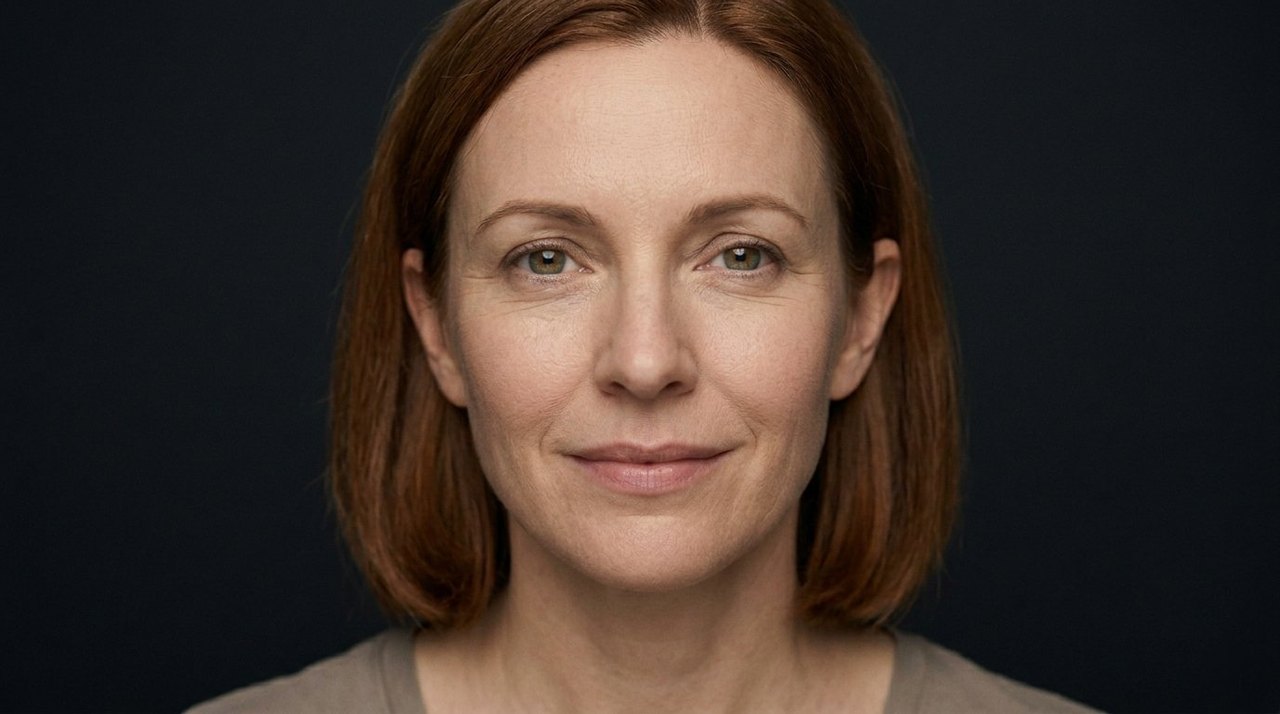
Love is the deep, enduring bond of care, warmth, and attachment. The chest opens, the face softens, attention is drawn toward the loved one. The pull feels both effortless and total. Unlike infatuation, it is not time-limited.
Love is what you do, not what you feel
The romantic culture sells love as a feeling that arrives and tells you everything. The real thing is quieter and more demanding. Love is what you keep doing on the days the feeling is not strong. The phone call you make even when you are tired. The honesty you choose even when a small lie would be easier. The presence you bring even when your mind is somewhere else. Feelings are weather. Love is climate. The climate is built one decision at a time over years, by people who keep showing up after the weather has stopped being romantic. Show up today. The feeling will come and go. Your showing up is the love.
"Love is not a feeling of happiness. Love is a willingness to sacrifice."
— Michael Novak
Love has one of the most expansive body signatures of any emotion. The chest fills with a warm, sometimes aching fullness. The face softens, often with a small involuntary smile when the loved one is present or remembered. The arms feel ready to reach. There is a particular quality of attention that lands on the loved person as if they are slightly more in focus than the background.
Research on love has identified distinct neural and hormonal signatures that distinguish it from other positive emotions. Romantic love shows activation in dopamine-rich reward areas similar to addiction patterns, particularly in early stages (Aron et al., 2005). Long-term love shifts toward oxytocin and vasopressin systems associated with bonding and attachment (Acevedo et al., 2012). The body-mapping research found love produces one of the most widespread warmth signatures, second only to happiness in surface coverage but with a different quality: more concentrated in the chest.

Love is not random. It develops in response to specific conditions and patterns, although the conditions are not always clear from the outside. Common patterns include:
Love is one of the few emotions that can be cultivated and protected with deliberate practice. The following are not prescriptions but practices long-term relationship research has consistently linked to love sustaining over time.
Pay specific attention to the actual person
Love is sustained by knowing the real other rather than the imagined version. Asking real questions, listening for the answers, noticing the small daily details of who they actually are. The accumulated attention is what love largely is.
Stay through ordinary friction
Most love does not die from one big event. It dies from many small unaddressed frictions accumulating. Repairing quickly after small ruptures, even when you would prefer to let them slide, is one of the most reliable predictors of long-term love (Gottman's research).
Continue choosing them
Long-term love includes the active, repeated choice of this person, this life. The choice is not made once and stored. It is refreshed in small acts: prioritising them, showing up, turning toward rather than away. Long love is short choices stacked deeply.
Allow them to change
People change across decades. Loving someone for who they were at 25 when they are now 50 produces unhappiness in both. Real love updates with the actual person. This is harder than it sounds because the early version often carries the original spark.
If love has become difficult
Sustained difficulty in love, particularly involving repeated rupture without repair, contempt, or fundamental loss of connection, is worth taking to couples therapy. The Gottman approach and emotionally focused therapy both have strong evidence for repairing love that has gone difficult. Many couples wait until repair is much harder than it would have been earlier.
"Love is not a feeling you have once and live on. It is an ongoing decision you make, refreshed by a feeling that returns when conditions allow it."
— A theme that recurs across long-term relationship research
What is the difference between love and being in love?
Being in love is the intense, often time-limited state of romantic obsession, idealisation, and dopamine-driven longing, typically lasting six to eighteen months in its acute form. Love is the deeper, more enduring bond that may develop after being in love has worn off and the actual person becomes visible. Being in love can become love. Love is rarely just being in love that lasted. The two have different brain signatures and different sustainability.
Where do people feel love in the body?
Love has one of the most expansive body signatures of any emotion. The chest fills with a warm, sometimes aching fullness. The face softens, often with a small involuntary smile when the loved one is present or remembered. The arms feel ready to reach. The body-mapping research found love produces one of the most widespread warmth patterns, concentrated in the chest.
Can love die?
Yes, although what dies is usually one form of love rather than the capacity for love. Romantic love can fade if the relationship stops being nourished. Family love can erode if relationships become consistently destructive. The capacity to love is rarely lost permanently in healthy people, but a specific love can be allowed to die through accumulated neglect, contempt, or fundamental mismatch. Most love dies from many small things, not from one big event.
Why do I love someone who is bad for me?
Love is largely independent of whether the relationship is good for you. The capacity to recognise someone's essential goodness, to be drawn into their world, to feel ongoing care, can persist even when the relationship is harmful. This is part of why leaving difficult relationships is hard. The love is real. The relationship may still need to end. Therapy focused on relationship patterns is often more useful than trying to reason yourself out of the love.
How do you know if you really love someone?
There is no single test, but some signs are more reliable than others. Sustained care that survives ordinary difficulty. Wanting to know who they actually are, not just who you wish they were. Continuing to choose them when the early chemistry has faded. The willingness to be inconvenienced for their sake. The presence of these over time is more reliable than the intensity of feeling in any single moment.
- Aron, A., Fisher, H., Mashek, D. J., Strong, G., Li, H., & Brown, L. L. (2005). Reward, motivation, and emotion systems associated with early-stage intense romantic love. Journal of Neurophysiology, 94(1), 327–337. https://journals.physiology.org/doi/10.1152/jn.00838.2004
- Acevedo, B. P., Aron, A., Fisher, H. E., & Brown, L. L. (2012). Neural correlates of long-term intense romantic love. Social Cognitive and Affective Neuroscience, 7(2), 145–159. https://academic.oup.com/scan/article/7/2/145/1622197
- Gottman, J. M., & Silver, N. (1999). The Seven Principles for Making Marriage Work. Crown.
Love sits at the centre of its family alongside affection, tenderness, and devotion. These emotions all involve warm bonds with another, but each works on a different scale and intensity.
See where love sits among the other 402 emotions.
Open Love on the wheel