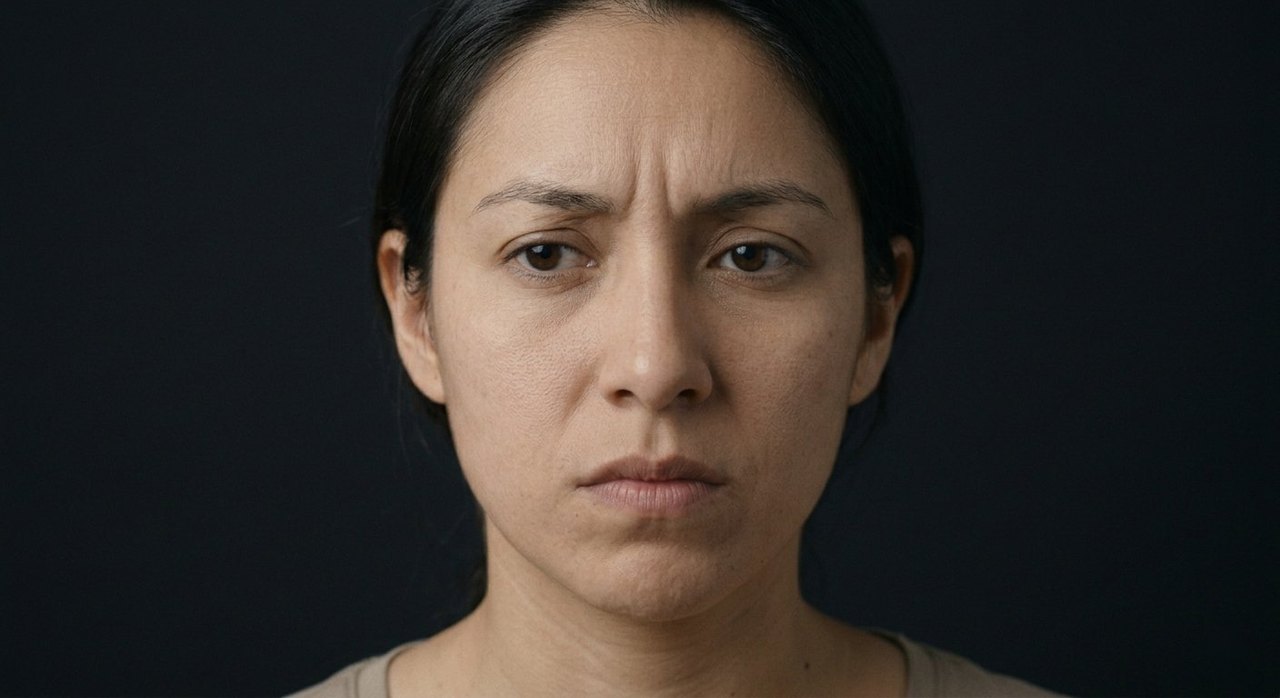
Unease
A subtle, low-level sense that something is off.
Unease is a subtle, low-level sense that something is off. Nothing specific demands attention, yet the body is not at rest. A quiet wariness keeps you from settling fully. The body registers what the mind has not yet articulated.
The small signal may be the most important one
Unease is the low-grade hum that says something is off. It is easy to dismiss because it is not urgent. It is also often accurate. The body is picking up on something the conscious mind has not named yet. The tone of a colleague's email. The way a conversation ended. The draft under the door. Do not dismiss the hum. Ask, what is the specific thing? Once you name it, you can decide what to do. Most uneases are about a communication that did not complete, a boundary that was crossed, or a need that was unmet. Naming the source usually releases the hum. Ignoring it just lets it stay, quietly depleting you.
"The heart has its reasons of which reason knows nothing."
— Blaise Pascal
Unease has a quiet, sustained body signature. The chest is slightly tight rather than expansive. The stomach holds a low hum that may include mild churning. The shoulders are not quite relaxed. There is a slight bracing across the whole body, as if preparing for something not yet visible. Unlike fear or anxiety, which can be intense, unease is subtle and easy to overlook, particularly for people who have been carrying it for so long that it has become baseline.
Research on subclinical anxiety states and on what is sometimes called free-floating anxiety has shown that mild persistent unease can have measurable physiological effects: elevated baseline cortisol, mild sympathetic nervous system activation, sleep disruption (Borkovec et al., 1998). Unease often functions as the body's preliminary registration of conditions the conscious mind has not yet processed. People who attend to unease tend to catch problems earlier than people who dismiss it. People who chronically override unease often experience cumulative health effects over time.

Unease arises in specific conditions, although the conditions are not always conscious. Common patterns include:
Unease is one of the more useful negative emotions when it is heeded rather than dismissed. The following practices help work with it well.
Pause and ask what your body is registering
When unease is present, the body often knows more than the mind has articulated. Pausing for a few minutes, with attention on the body, often surfaces what is producing the signal. The answer is sometimes surprising and almost always useful. Dismissing the unease without examination usually means it returns.
Distinguish situational unease from chronic unease
Situational unease points at something specific that needs attention. Chronic unease is more often a feature of an overactive threat-detection system that needs different work. The interventions differ. Treating chronic unease as situational often produces an endless search for the source. Treating situational unease as chronic often misses important information.
Address what the unease is pointing at
If the unease is about something specific (a difficult conversation, a developing issue, a decision being avoided), the most reliable way to resolve it is to engage with the underlying matter. Trying to soothe the unease without addressing what is producing it usually does not work for long.
Build the conditions for the body to settle
If chronic unease is present, the work is often less about decoding specific signals and more about reducing the conditions that keep the system activated: better sleep, less media input, more time in safe environments, more physical regulation. The body cannot settle into rest while it is being constantly stimulated to alert.
If unease is constant
Persistent unease that does not respond to addressing specific concerns and that has been present for a long time often signals generalised anxiety, chronic stress response, or unresolved trauma. These are treatable through therapy, particularly approaches that work with the body's regulation directly. The capacity to feel at ease is rebuildable, often through patient work with a skilled practitioner.
"Unease is the body knowing something the mind has not yet articulated. Heeding it usually serves better than dismissing it."
— A common observation in research on intuition and embodied cognition
What is the difference between unease and anxiety?
Anxiety is more intense and usually has identifiable triggers, even when the response is disproportionate. Unease is subtle and often has no clear focus. Anxiety often produces racing thoughts and significant physical activation. Unease is quieter: a low-level sense that something is off, without necessarily knowing what. The two can blend: persistent unease can develop into anxiety if not addressed. But they have different intensities and different body experiences.
Where do people feel unease in the body?
Unease has a quiet, sustained signature. The chest is slightly tight rather than expansive. The stomach holds a low hum that may include mild churning. The shoulders are not quite relaxed. There is a slight bracing across the whole body, as if preparing for something not yet visible. Unlike fear or anxiety, which can be intense, unease is subtle and easy to overlook, particularly for people who have been carrying it long enough that it has become baseline.
Should I trust my unease?
Usually yes. Unease often functions as the body's preliminary registration of conditions the conscious mind has not yet processed. People who attend to unease tend to catch problems earlier than people who dismiss it. Pausing to ask what your body is registering, rather than overriding the signal, usually serves better. The exception is unease that has become chronic and detached from current conditions, which usually points at something other than current circumstances.
Why am I uneasy when nothing is wrong?
Several possibilities. Sometimes the body is registering something the mind has not yet seen: an issue developing in a relationship, a health change, a decision being avoided. Sometimes unease is the residue of recent stress or change that has not fully settled. Sometimes it points at chronic activation from trauma history, generalised anxiety, or environments that have made the body's alarm system overactive. The pattern matters: situational unease usually resolves when its source is addressed; chronic unease usually does not and warrants different intervention.
How do you stop feeling uneasy?
It depends on the source. Situational unease usually resolves when the underlying issue is addressed: the conversation had, the decision made, the developing issue attended to. Chronic unease usually requires different work: reducing the conditions that keep the system activated, addressing trauma or anxiety patterns, sometimes therapy or medication. Trying to override unease without engaging with what is producing it usually does not work for long. The signal returns until it is heard.
- Borkovec, T. D., Ray, W. J., & Stober, J. (1998). Worry: A cognitive phenomenon intimately linked to affective, physiological, and interpersonal behavioral processes. Cognitive Therapy and Research, 22(6), 561–576. https://link.springer.com/article/10.1023/A:1018790003416
- Damasio, A. R. (1994). Descartes' Error: Emotion, Reason, and the Human Brain. Putnam.
- Craig, A. D. (2009). How do you feel — now? The anterior insula and human awareness. Nature Reviews Neuroscience, 10(1), 59–70. https://www.nature.com/articles/nrn2555
Unease sits in the fear family as one of its quieter forms. It overlaps with anxiety as the more intense version, with apprehension when it is specifically anticipatory, and with worry when the mental engagement has joined the bodily signal.
See where unease sits among the other 402 emotions.
Open Unease on the wheel