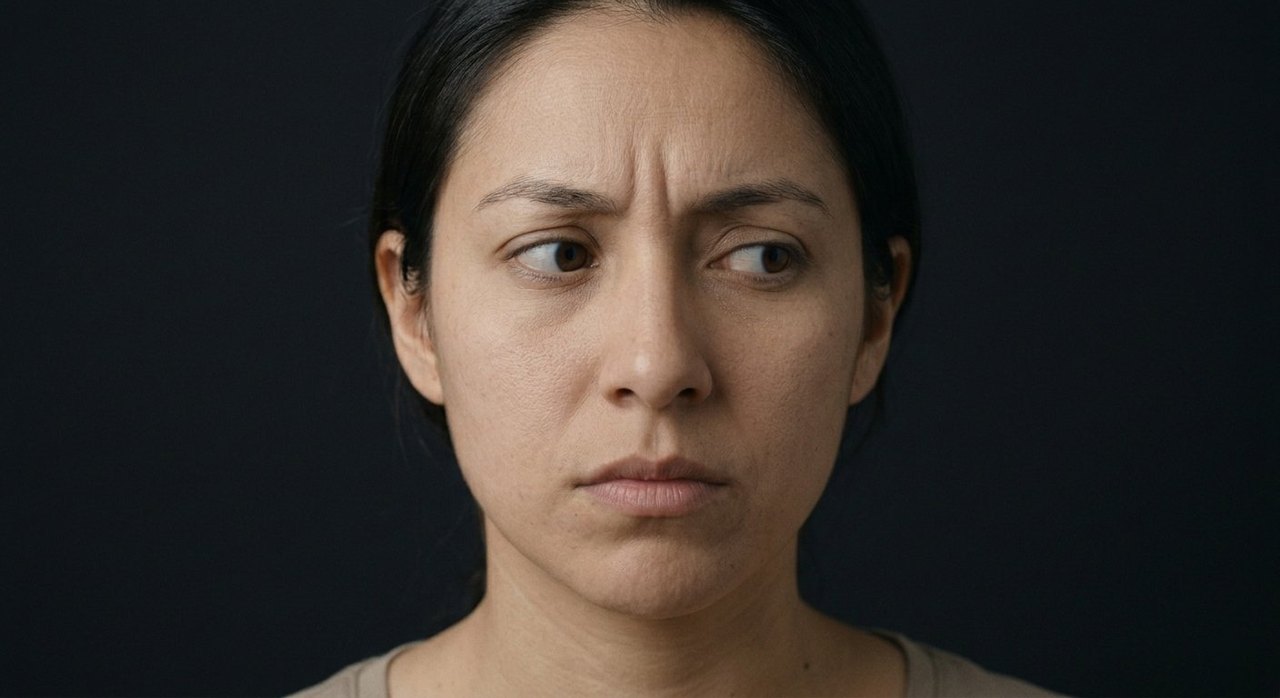
Foreboding
A dark intuition that something bad approaches.
Foreboding is a dark intuition that something bad approaches. There is no specific known threat, just the body's certainty that trouble is coming. The chest tightens and the stomach holds dread. Nothing in the present moment seems to justify it.
Intuition deserves a hearing, not automatic obedience
Foreboding is the sense that something bad is coming, without specific evidence. It is sometimes accurate. The mind is processing pattern below the level of conscious thought. It is sometimes false, the residue of past trauma applied to a present that does not warrant it. The work is to take the foreboding seriously without obeying it blindly. Sit with it. Ask, what specifically is my body responding to? If you can name a real signal, take a small protective action. If you cannot, name the foreboding as a feeling and continue your day. Do not make large decisions from foreboding alone. Investigate. Then decide.
"Every man takes the limits of his own field of vision for the limits of the world."
— Arthur Schopenhauer
Foreboding has a distinctive body signature. The chest holds a particular tightness, often accompanied by a feeling of pressure rather than just constriction. The stomach carries quiet dread. The head feels alert in a particular way, scanning for what is coming. The whole body is on a low-level alert but pointed forward in time rather than at anything currently present. The signal is specifically about the future, even when the future is vague.
Research on intuitive threat detection has shown that the body sometimes registers patterns of danger before conscious awareness can articulate them. Studies on what is sometimes called "gut feelings" have found that experienced practitioners (doctors, firefighters, military) often correctly detect threats through bodily signals that they cannot fully explain (Gigerenzer, 2007). The neural systems involved appear to integrate many small cues that do not cross the threshold of conscious awareness individually but produce a felt sense of foreboding collectively. This is part of why foreboding turns out to be accurate more often than chance would suggest.

Foreboding arises in specific conditions, although the conditions are not always conscious. Common patterns include:
Foreboding is one of the more useful negative emotions when it is heeded carefully and worked with appropriately. The following practices help.
Investigate what your body might be registering
When foreboding is present, the body often knows more than the mind has articulated. Pausing to ask what specifically you might be picking up, what cues you have not consciously processed, what your gut is responding to, often surfaces useful information. The foreboding is data, not just noise.
Distinguish situational foreboding from chronic foreboding
Situational foreboding points at something specific. Chronic foreboding, present regardless of conditions, is more often anxiety than intuition. The interventions differ. Treating chronic foreboding as situational often produces endless searching for sources. Treating situational foreboding as just anxiety often misses important information.
Take precautions when reasonable
If foreboding is pointing at something specific you can prepare for, preparing is usually wise even if the foreboding turns out to be wrong. Backups, contingency plans, conversations had earlier than they would otherwise be. The cost of preparation is usually low. The cost of not preparing when the foreboding is accurate can be significant.
Do not let foreboding ruin the present
Even accurate foreboding does not require living in the future. The trouble that is coming has not yet arrived, and being fully present now is usually still possible and useful. People who let foreboding consume their present often suffer more than the eventual trouble would have produced on its own.
If foreboding is constant
Persistent foreboding that does not respond to investigation, that has been present for a long time, and that is not tied to specific approaching circumstances often signals chronic anxiety, hypervigilance from trauma, or other treatable conditions. These respond well to therapy, particularly approaches that work with the body's threat-detection system directly.
"Foreboding is the body knowing something the mind has not yet articulated. Sometimes it is anxiety pretending to be intuition. Sometimes it is intuition that anxiety has not noticed."
— A common observation in research on intuition
What is the difference between foreboding and anxiety?
Anxiety is a broader state of activation that may or may not have a focus. Foreboding is specifically the felt intuition of approaching trouble. Anxiety can be present without foreboding (chronic anxiety without a sense of approaching disaster). Foreboding can be present without much general anxiety (a calm person who has a specific bad feeling about something). The two often coexist but are distinct.
Where do people feel foreboding in the body?
Foreboding has a distinctive signature. The chest holds a particular tightness, often accompanied by a feeling of pressure rather than just constriction. The stomach carries quiet dread. The head feels alert in a particular way, scanning for what is coming. The whole body is on a low-level alert but pointed forward in time rather than at anything currently present. The signal is specifically about the future.
Should I trust foreboding?
Sometimes yes, sometimes no. Research has shown that foreboding can be accurate detection of cues the conscious mind missed, particularly when based on pattern matching to past experience or environmental signals that accumulated below awareness. But foreboding can also be anxiety projecting forward without real basis. Investigating what your body might be registering, distinguishing situational from chronic foreboding, and taking reasonable precautions when something specific is being pointed at all help separate intuition from anxiety.
Why do I always feel like something bad is going to happen?
Persistent foreboding that does not respond to changing conditions usually points at chronic anxiety, hypervigilance from trauma, or other treatable conditions rather than accurate intuition. The system has become stuck on alert. This often traces back to environments where the body needed to be vigilant for safety. The hypervigilance persists into safer conditions where it is no longer accurate but still feels true. Therapy specifically focused on the underlying pattern usually helps.
Can foreboding be a real warning?
Yes, sometimes. The body's threat detection system integrates many cues that do not cross the threshold of conscious awareness. Studies of experienced practitioners (doctors, firefighters, military) have shown that their intuitive sense of danger often turns out to be accurate detection of patterns they cannot articulate. The same capacity exists in ordinary people. The challenge is distinguishing real intuitive foreboding from anxiety that produces similar felt sense without underlying basis.
- Gigerenzer, G. (2007). Gut Feelings: The Intelligence of the Unconscious. Viking.
- Damasio, A. R. (1994). Descartes' Error: Emotion, Reason, and the Human Brain. Putnam.
- Klein, G. (2003). The Power of Intuition: How to Use Your Gut Feelings to Make Better Decisions at Work. Doubleday.
Foreboding sits in the fear family as one of its more intuitive forms. It overlaps with anxiety as the more activated version, with dread as the heavier version attached to known events, and with unease as the milder version without forward orientation.
See where foreboding sits among the other 402 emotions.
Open Foreboding on the wheel