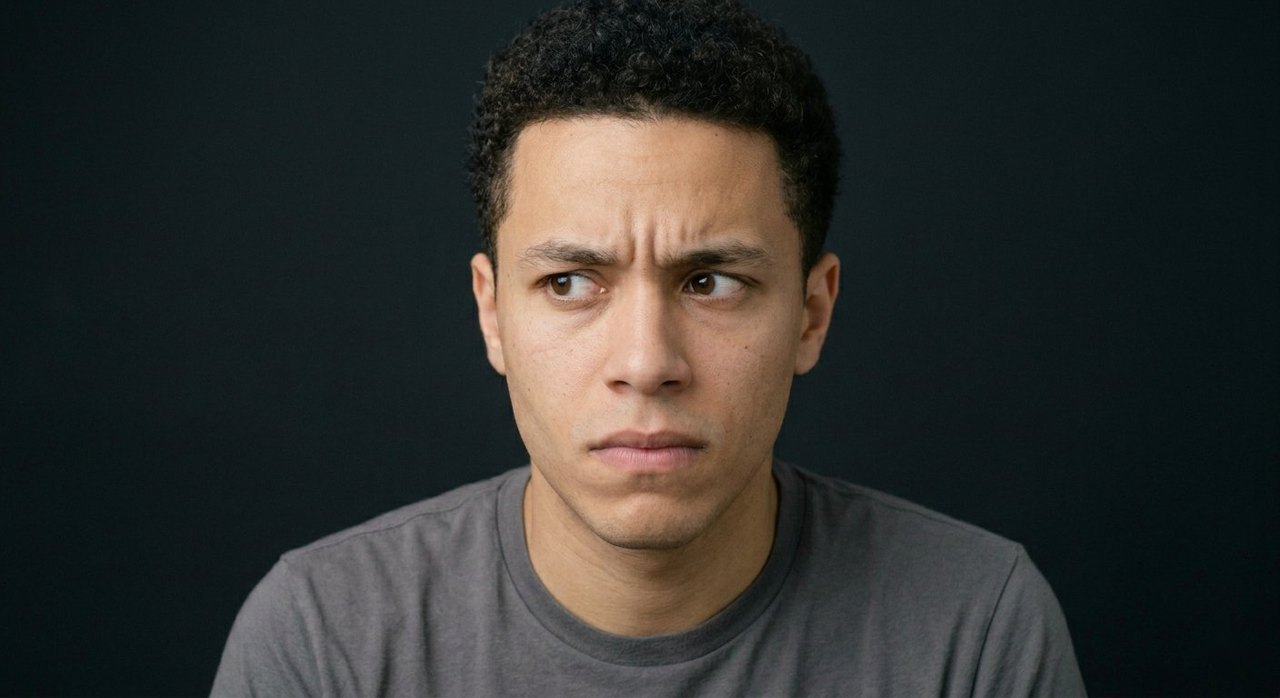
Jealousy
Fearful, possessive anxiety about losing what you have.
Jealousy is the fear of losing something you have to someone else. Fear, anger, and possessive vigilance mix to protect the bond. It lives mostly in close relationships. Envy wants what another has; jealousy guards what is already yours.
Jealousy is fear dressed as possession
Jealousy in relationships is almost always fear underneath. The fear of loss. The fear of not being enough. The fear of being left. The jealousy does not protect against these. It often makes them more likely, because the jealous person becomes harder to live with. The work is to address the fear directly. Tell your partner, when you speak to them I feel small and worried I am losing you. This is more vulnerable than jealousy. It is also more useful. Jealousy accuses. Vulnerability asks. Ask. The partner who loves you will meet the vulnerability. If they do not, jealousy was not going to save the relationship anyway.
"Jealousy is the injured lover's hell."
— John Milton
Jealousy has a layered body signature because it contains pieces of several other emotions. Fear lives in the chest and stomach. Anger sits in the face and head. Vigilance sharpens the senses. The body is simultaneously braced for loss and ready to fight to prevent it.
Research on jealousy has consistently found it activates both threat and aggression circuits in the brain (Takahashi et al., 2006). The dual nature is part of what makes jealousy so destabilising: the body is both afraid and angry at once, with no clear single action to take. This is also why jealousy is associated with sleep disruption, intrusive thoughts, and surveillance behaviours, which are the body's attempt to manage uncertainty about something that matters.

Jealousy exists because human relationships are real, important, and finite. The body has an investment in protecting them. The trigger patterns usually involve perceived or actual threat to a bond. Common patterns include:
Jealousy is uncomfortable but it is not necessarily wrong. The work is to take the signal seriously without being run by it. The following practices can help.
Distinguish accurate jealousy from anxious jealousy
Sometimes jealousy is responding to real evidence. Sometimes it is responding to old wounds being reactivated by minor cues. Asking 'what would I tell a friend who described this situation?' often reveals which is which. Accurate jealousy needs conversation. Anxious jealousy needs internal work.
Name the actual fear
Jealousy is rarely just jealousy. Underneath is usually a more specific fear: of being left, of being not enough, of being replaced. Naming what you are actually afraid of is more useful than swirling in the surface jealousy.
Talk to the person you trust, not the one you suspect
Acting on jealousy by interrogating the person who triggered it often goes badly. Talking to a friend, partner, or therapist about the feeling itself, before deciding what to do, almost always produces better outcomes.
Resist the urge to surveil
Checking phones, looking through messages, monitoring location. These behaviours feed jealousy rather than soothing it, because the brain interprets the surveillance itself as evidence that the threat must be real. The relief is brief. The damage to trust, including self-trust, is lasting.
If jealousy is chronic
Jealousy that runs constantly, that cannot be soothed by reassurance, or that drives controlling behaviour is worth taking to a therapist. This usually points to underlying attachment patterns or trauma, both of which respond to specific therapies. You do not have to live with constant jealousy that does not match the actual situation.
"Jealousy is not a sign that you love someone more. It is a sign that you fear losing them."
— A frame used in attachment-based therapy
What is the difference between jealousy and envy?
Envy wants what someone else has. Jealousy fears losing what you have. Envy is usually about a thing or a quality. Jealousy is usually about a relationship or bond. A person can envy a colleague's promotion. A person feels jealous when their partner pays attention to someone else. The two are often confused but they work differently and respond to different interventions.
Where do people feel jealousy in the body?
Jealousy has a layered body signature combining fear and anger. The chest tightens, the stomach knots, the head feels pressured, and the face heats up slightly. Some people report a churning quality, others a sharp ache. The body is braced for loss and ready to act, both at once, which is part of why jealousy is so destabilising.
Is jealousy a normal feeling?
Yes. Jealousy is a universal human emotion that exists because relationships matter and can be lost. Brief, proportional jealousy is normal and often resolves with conversation. Constant, intense, or controlling jealousy is a different category and usually points to underlying attachment patterns, insecurity, or trauma that respond to therapy.
Why am I jealous of my partner's friends?
Jealousy of a partner's other relationships often reflects a fear that the bond is not secure or that you are not enough. The actual jealousy is rarely about the friend specifically. It is about the underlying worry. Talking with your partner about what would help you feel more secure, rather than restricting their friendships, usually produces better outcomes.
How do you stop being jealous?
You usually cannot stop jealousy directly. What you can do is examine where it is coming from, distinguish accurate from anxious jealousy, talk about the underlying fear with someone you trust, and resist behaviours like surveillance that make jealousy worse. Chronic jealousy that does not respond to these usually benefits from therapy focused on attachment or anxiety.
- Takahashi, H., et al. (2006). Men and women show distinct brain activations during imagery of sexual and emotional infidelity. NeuroImage, 32(3), 1299–1307. https://www.sciencedirect.com/science/article/abs/pii/S1053811906005106
- Buss, D. M. (2000). The Dangerous Passion: Why Jealousy Is As Necessary As Love and Sex. Free Press.
- Mikulincer, M., & Shaver, P. R. (2007). Attachment in Adulthood: Structure, Dynamics, and Change. Guilford Press.
Jealousy sits in the self-conscious family because it involves the self being compared and the bond being evaluated. It overlaps with fear and anger from the protective response, and with envy when it tips into wanting.
See where jealousy sits among the other 402 emotions.
Open Jealousy on the wheel