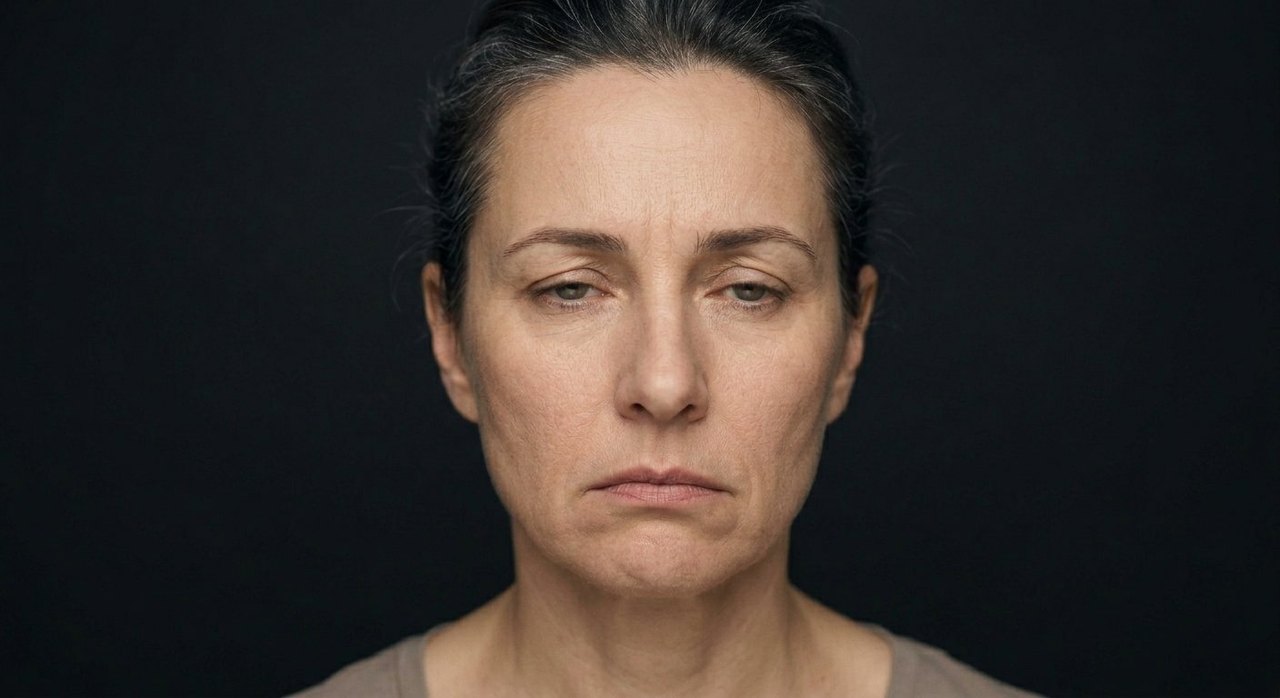
Weariness
Tired in body and spirit. The effort of going on.
Weariness is being tired in body and spirit, the effort of going on. The carrying has become its own weight. The chest is heavy and the limbs ask effort to move. You have less than you need, yet must face what is ahead.
Weariness is different from tiredness
Tiredness can be fixed by sleep. Weariness is something else. It is the cumulative weight of going on without enough recovery, meaning, or hope. Sleeping more helps, but does not fully solve it. The real repair is to address the source. What has been draining you that cannot be replaced by rest? Is it work without meaning? A relationship that costs more than it gives? The quiet despair of a life that is not the one you wanted? Weariness is a signal to examine the life, not just the schedule. The examination can wait until tomorrow if you are too tired today. But do not skip it indefinitely.
"Let me fall if I must fall. The one I am becoming will catch me."
— Hasidic proverb
Weariness has a distinctive body signature of comprehensive worn-down quality. The chest is heavy. The limbs feel like they require effort to move. The face often shows particular tired quality that does not lift with brief rest. The voice loses energy and inflection. The body holds itself in a way that suggests carrying something it has been carrying too long. Sleep may not fully restore in weariness the way it does in simple tiredness; the rest is needed but does not produce the recovery rest usually produces. The state can persist for weeks or months when underlying conditions sustain it.
Weariness has been studied less directly than some related concepts but appears in research on chronic fatigue, sustained caregiving stress, and what some researchers call compassion fatigue or moral injury. Research on caregiver burden has documented sustained weariness as a common feature of long-term caregiving, particularly for severely ill or dying loved ones (Schulz & Sherwood, 2008). Research on moral injury, developed primarily in military and healthcare contexts, has shown that sustained engagement with situations that violate one's values produces particular forms of weariness that simple rest does not resolve.

Weariness arises through specific conditions involving sustained engagement with difficulty over time. Common patterns include:
Weariness benefits from being recognised as the accumulated load it is, rather than being dismissed or pushed through. The following help.
Acknowledge what has actually been carried
Many people in weariness minimise what they have been carrying, comparing themselves unfavourably to others who seem to manage similar loads. The minimisation often worsens the weariness because it adds self-criticism to the original load. Honest acknowledgment of what you have actually been carrying, including its duration and intensity, often supports better response than dismissing your own experience.
Build genuine rest into life
Weariness needs more rest than tiredness, and the rest needs to be more substantial. This typically means more than weekends or brief breaks; it often means extended periods of reduced demand, sometimes including formal time away from work or caregiving responsibilities. The cultural pressure against this kind of rest often prolongs weariness unnecessarily.
Address what is producing the wearing down
Weariness produced by sustained difficult conditions typically does not resolve while those conditions continue at the same intensity. Addressing what is producing the weariness, where possible, often produces more change than working on the weariness itself. This may involve reducing commitments, addressing relationships, changing work circumstances, or making other significant life changes.
Get specific support for specific kinds of weariness
Different forms of weariness benefit from different support. Caregiver weariness benefits from respite care and caregiver support groups. Moral injury benefits from specific therapeutic approaches developed for this pattern. Weariness from sustained relationship difficulty benefits from couples or family therapy. Generic self-care often does less than support specifically designed for the kind of weariness you are experiencing.
If weariness has been sustained for many months
Sustained weariness, particularly when accompanied by sleep changes, loss of interest, sustained low mood, or thoughts that things will not improve, may have developed into depression that warrants treatment. The capacity for recovery from weariness is widely shared but can be specifically affected by depression that has developed alongside it. Professional support is appropriate when weariness has not lifted despite rest and addressing obvious factors.
"Sustained caregiving for severely ill loved ones produces measurable weariness that affects health, mood, and functioning. The weariness is recognised in research as a particular pattern with specific features and warranting specific support."
— A summary of caregiver burden research
What is weariness?
Weariness is being tired in body and spirit. The effort of going on. The body has been carrying something for too long and the carrying has become its own weight. The chest is heavy. The limbs feel like they require effort to move. There is a quality of having less than you need to face what is ahead, and yet needing to face it anyway. Weariness specifically refers to the felt experience of being worn down across both body and spirit, often through sustained engagement with difficulty rather than acute overwork. The cross-domain quality is essential. Weariness affects how everything feels, not just physical capacity or emotional response.
Where do people feel weariness in the body?
Weariness has a distinctive signature of comprehensive worn-down quality. The chest is heavy. The limbs feel like they require effort to move. The face often shows particular tired quality that does not lift with brief rest. The voice loses energy and inflection. The body holds itself in a way that suggests carrying something it has been carrying too long. Sleep may not fully restore in weariness the way it does in simple tiredness; the rest is needed but does not produce the recovery rest usually produces. The state can persist for weeks or months when underlying conditions sustain it.
What's the difference between weariness and tiredness?
Tiredness is the physical need for sleep, typically resolved by adequate rest. Weariness is more comprehensive: tired in body and spirit. A person can be tired without weariness (need for sleep after exertion). Weariness typically does not fully resolve with sleep the way simple tiredness does, because the underlying conditions that produced it remain. The distinction matters because the appropriate response differs: tiredness needs sleep; weariness needs both rest and addressing what has produced the wearing down. Recognising weariness as something different from tiredness often helps people understand why ordinary sleep is not resolving their experience.
Why am I so weary all the time?
Several conditions produce sustained weariness. Long-term caregiving for severely ill or dying loved ones produces documented weariness patterns. Sustained difficult life conditions (financial pressure, ongoing health issues, difficult relationships, prolonged uncertainty) accumulate effects across months and years. Moral injury, from sustained engagement with situations that violate your values, produces particular forms of weariness studied in military and healthcare contexts. Sustained inauthentic performance or suppression of authentic response produces weariness over time. When weariness has been sustained for months despite rest, the conditions producing it usually need to be addressed for substantial recovery to occur. Professional support is appropriate when weariness has not lifted despite ordinary responses.
Is weariness the same as depression?
No, though they are related. Depression is a clinical syndrome with multiple features including sustained low mood, sleep changes, appetite changes, loss of interest, and others. Weariness can be a feature of depression but is also distinct from it. A person can be weary without being depressed (worn down by sustained difficulty without the broader mood syndrome). When weariness persists with sustained low mood, sleep changes, loss of interest in things that previously engaged you, and thoughts that things will not improve, the pattern may have developed into depression that warrants professional attention. The distinction matters because the treatments differ in important ways.
- Schulz, R., & Sherwood, P. R. (2008). Physical and mental health effects of family caregiving. American Journal of Nursing, 108(9 Suppl), 23–27. https://journals.lww.com/ajnonline/Fulltext/2008/09001/Physical_and_Mental_Health_Effects_of_Family.6.aspx
Weariness sits in the negative family as one of its more comprehensive and underestimated states. It overlaps with exhaustion as the acute form, with burnout when work is the source, with fatigue when physical aspects are central, with what caregiver research treats as a specific pattern with health consequences, and with what moral injury research treats as a distinct form of weariness from value-violating circumstances.
See where weariness sits among the other 402 emotions.
Open Weariness on the wheel