Resignation
Giving up the fight. A tired, flat surrender.
Resignation is the giving up of the fight, a tired, flat surrender. The struggle ends not because it was won but because continuing stopped seeming possible. There is no acute pain, just settled flatness. You have stopped trying.
Tell the difference between surrender and acceptance
Resignation looks like wisdom and is often its opposite. Acceptance says, I see this situation clearly and I choose my response from here. Resignation says, I am done trying. The first is active. The second is collapse. You can usually tell which you are in by asking, is there a move I have stopped looking for? If yes, you are resigned. If no, you may genuinely have reached the limit. Most resignation is premature. Before accepting defeat, rest. Then look again. The move you missed the first time is often visible the second.
"Do not go gentle into that good night. Rage, rage against the dying of the light."
— Dylan Thomas
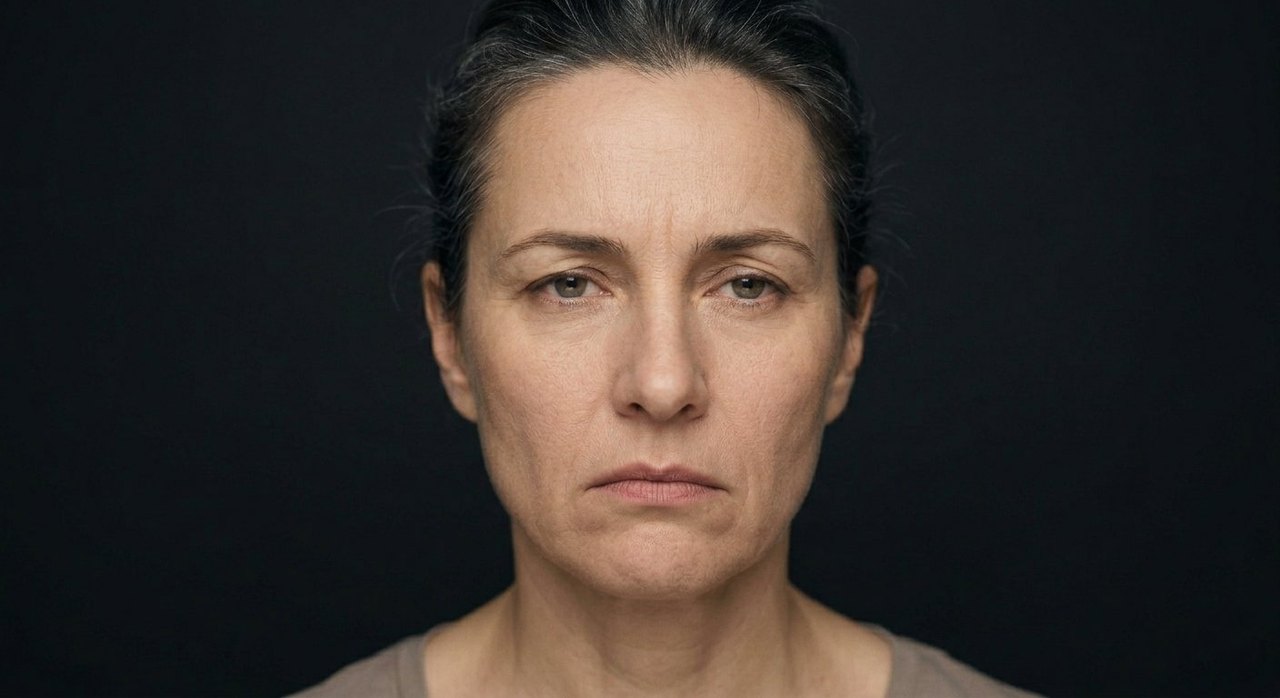
Resignation has a distinctive flat body signature. The body holds particular tired surrender. The shoulders drop, but without the heaviness of grief. The face shows particular flatness, often with a small bitter smile or settled lack of expression. The chest is closed but not actively defended. The voice carries low energy without the animation of either hope or anger. There is no struggle visible because the struggle has ended. The body has settled into a state of reduced engagement that is sustainable but lacks vitality.
Resignation has been studied less directly than related states (helplessness, hopelessness, acceptance) but features in research on chronic stress, learned helplessness, and adaptation to long-term difficult circumstances. The state appears to be sometimes adaptive (allowing functional life in genuinely unchangeable conditions) and sometimes maladaptive (giving up on situations that could be changed with sustained effort). Distinguishing between the two is one of the harder cognitive tasks because the felt state is similar in both cases.

Resignation arises in specific conditions involving sustained difficulty with no resolution in sight. Common patterns include:
Resignation is complex because it can be both appropriate adaptation and premature surrender. Working with it requires distinguishing the two.
Examine whether the resignation is accurate to the situation
Some resignation reflects accurate perception of genuine limits. Some reflects premature surrender. Asking whether the situation actually cannot be changed, or whether different approaches might still produce change, often clarifies what is happening. Outside perspectives can help with this assessment because the resigned state usually feels accurate from inside.
Distinguish resignation from acceptance
If your relationship with the situation has the tired flatness of resignation rather than the worked-through peace of acceptance, there may be more work to do. Real acceptance often takes significant grief and reconciliation rather than just stopping the fight. The cessation of struggle alone is not the same as having made peace with what is.
Investigate what would be required to change the situation
Sometimes resignation has set in because the cost of continued effort seemed too high, not because change was impossible. Examining what would actually be required to change the situation, and whether you have resources for that effort, sometimes reveals that change remains possible if you are willing to invest accordingly.
Rest before deciding whether continued effort is possible
Sometimes resignation comes from depletion rather than from the situation itself. Substantial rest, including time away from the difficult situation, sometimes restores the capacity for engagement. Decisions about whether to continue effort or accept that change is impossible are usually better made after rest than during exhaustion.
If sustained resignation has become a baseline
Persistent resignation across many areas of life, particularly when accompanied by depression symptoms, often indicates something more substantial than appropriate adaptation. Professional support can help distinguish appropriate resignation from learned patterns that no longer serve. Therapy that addresses learned helplessness patterns has evidence for restoring active engagement in areas where it has been suppressed.
"Resignation is what surrender looks like when there is no more fight left. Sometimes it is the appropriate response to genuine limits. Sometimes it is giving up too soon. The felt state cannot tell you which."
— A common framing in research on chronic stress adaptation
What is resignation?
Resignation is the giving up of the fight. The body settles into tired, flat surrender. The struggle is over, not because it has been won but because continuing it has stopped seeming possible or worthwhile. There is no acute pain as in defeat, no anger as in injustice, just a settled flatness of having stopped trying. It can be both protective adaptation to genuine limits and a problematic giving-up on situations that could have been changed, which makes it one of the more complex negative states.
Where do people feel resignation in the body?
Resignation has a distinctive flat signature. The body holds particular tired surrender. The shoulders drop, but without the heaviness of grief. The face shows particular flatness, often with a small bitter smile or settled lack of expression. The chest is closed but not actively defended. The voice carries low energy without the animation of either hope or anger. There is no struggle visible because the struggle has ended. The body has settled into a state of reduced engagement that is sustainable but lacks vitality.
What is the difference between resignation and acceptance?
Acceptance involves making peace with what cannot be changed, often with some equanimity. Resignation involves the cessation of effort without the peace. A person in acceptance has worked through to a relationship with the unchangeable that includes some quietness. A person in resignation has simply stopped fighting without the active reconciliation that acceptance involves. The two can look similar from outside; from inside they are quite different. Acceptance feels settled in a good way; resignation feels settled in a tired way.
Is resignation a bad thing?
It depends on what produces it. Resignation that reflects accurate perception of genuine limits can be appropriate adaptation; some situations actually cannot be changed and continued struggle produces only suffering. Resignation that reflects premature surrender, exhaustion that could be addressed, or learned patterns from earlier life is often problematic because the underlying situation could be changed with different approach or restored resources. Distinguishing the two is one of the harder cognitive tasks because the felt state is similar in both cases.
How do you get out of resignation?
First by examining whether the resignation is accurate to the situation or premature. Outside perspectives often help with this assessment because the resigned state feels accurate from inside. If the situation actually could change with different effort or restored resources, addressing those factors is the work. If the situation cannot change, the work is usually moving from resignation toward actual acceptance, which requires grief and reconciliation rather than just stopping the fight. Sustained resignation across many areas warrants professional support to distinguish appropriate adaptation from learned patterns that no longer serve.
- Maier, S. F., & Seligman, M. E. P. (2016). Learned helplessness at fifty: Insights from neuroscience. Psychological Review, 123(4), 349–367. https://psycnet.apa.org/doi/10.1037/rev0000033
Resignation sits in the negative family as one of its more complex states. It overlaps with acceptance when the work has been done, with defeat when the surrender is more acute, with hopelessness when the resignation has generalised, and with what burnout research calls disengagement when the resignation is specifically work-related.
See where resignation sits among the other 402 emotions.
Open Resignation on the wheel