Torpor
Sluggish inactivity of body and mind.
Torpor is sluggish inactivity of body and mind. The limbs feel heavy and the mind is slow. Engagement does not come even when it is warranted. The dullness resists ordinary effort to shift it and does not lift.
Sluggishness is information, not verdict
Torpor is the heavy, slow-moving fog of low energy that lasts longer than a normal tiredness. Something is off. It could be sleep. It could be nutrition. It could be depression. It could be grief. It could be a life that has stopped mattering to you. Do not attack it with caffeine and willpower. Treat it as data. Ask, what has my body been through lately? What has my life been asking of me that I have not named? Then take the small correcting actions. Better sleep. A blood test. A conversation with a therapist. Torpor is the body's yellow flag. Listen to it before it becomes red.
"Rest is not idleness. It is the condition for discernment."
— John O'Donohue
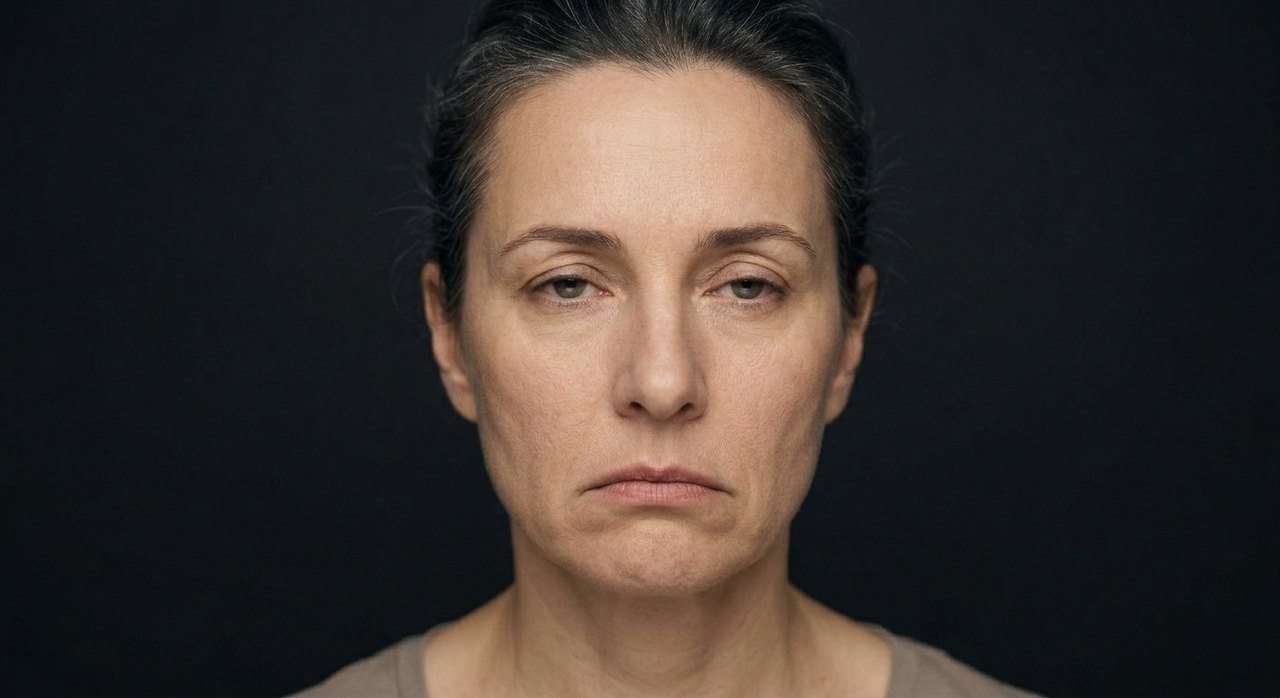
Torpor has a distinctive body signature of heavy unresponsive slowness. The limbs feel heavy with sustained quality. The breath becomes slow and shallow. The face shows particular dulled quality with reduced animation. The voice often becomes slower and quieter. The body holds itself in a way that suggests being pulled into inactivity: posture often slumped, gestures minimal, attention struggles to engage with what would normally engage it. The state can be brief response to particular conditions or sustained pattern when underlying factors continue. Sustained torpor often indicates underlying conditions warranting attention.
Torpor has been engaged with in research on fatigue, depression, and various physiological conditions including thyroid dysfunction, vitamin deficiencies, and other conditions that can produce sluggish states. Research has shown that sustained torpor often indicates underlying conditions warranting medical or psychological assessment. The capacity for ordinary torpor in response to various conditions appears widely shared though substantial variation exists in how readily it develops.

Torpor arises through specific conditions affecting both body and mind. Common patterns include:
Torpor often indicates underlying conditions warranting attention. The following help.
Seek medical assessment for sustained torpor
Sustained torpor often reflects medical conditions that warrant assessment. Seeking medical evaluation for sustained torpor supports identification of conditions that may be treatable. Many people with sustained torpor have underlying medical conditions including thyroid dysfunction, vitamin deficiencies, or other conditions that resolve through specific treatment.
Consider psychological factors
When medical conditions have been ruled out or addressed and torpor persists, considering psychological factors including depression or sustained stress supports appropriate response. Psychological treatment can address torpor that reflects psychological conditions; recognising when this is operating supports better outcomes.
Address sleep adequacy
Sleep adequacy substantially affects torpor. Building practices that support adequate sleep including sleep schedule, sleep environment, and sleep hygiene often produces significant improvement in torpor that reflects sleep insufficiency. The sleep dimension is among the most readily addressed contributors.
Examine medication effects
When taking medications that may produce torpor, consultation with prescribing doctor about whether the torpor reflects medication effect, whether dose adjustment may help, or whether alternatives may produce less torpor supports better outcomes than continuing without addressing this.
Build gradual activation when possible
Some torpor responds to gradual activation that does not overwhelm capacity. Building gradual movement, gradual engagement with activities, and gradual increase in stimulation often supports better outcomes than either forcing dramatic activity or accepting sustained torpor. The gradual approach respects the actual state while supporting movement toward more engagement.
"Research on fatigue and various physiological conditions has shown that sustained torpor often indicates underlying conditions warranting medical or psychological assessment."
— A theme in research on fatigue states
What is torpor?
Torpor is sluggish inactivity of body and mind. The body has been pulled into state of slowed dullness that resists engagement, with quality of heavy unresponsiveness that affects both movement and thinking. The limbs feel heavy. The mind is slow. There is a quality of being unable to engage with what would warrant engagement, of operating from sustained slowness that resists effort to shift, of being held in dullness that does not lift through ordinary effort. Torpor specifically refers to sluggish inactivity affecting both body and mind.
Where do people feel torpor in the body?
Torpor has a distinctive signature of heavy unresponsive slowness. The limbs feel heavy with sustained quality. The breath becomes slow and shallow. The face shows particular dulled quality with reduced animation. The voice often becomes slower and quieter. The body holds itself in a way that suggests being pulled into inactivity: posture often slumped, gestures minimal, attention struggles to engage with what would normally engage it. The state can be brief response to particular conditions or sustained pattern when underlying factors continue. Sustained torpor often indicates underlying conditions warranting attention.
How is torpor different from being tired?
Tiredness involves need for rest that typically resolves with rest. Torpor often does not resolve with ordinary rest and reflects deeper conditions. A person can be tired without torpor (need for rest without specific sluggish unresponsive quality). Torpor involves the deeper dimensions that ordinary tiredness does not include. Tiredness is usually situational response to insufficient rest or particular exertion; torpor is more sustained state that often indicates underlying medical or psychological conditions. The distinction matters because the responses appropriate to each differ substantially: tiredness typically warrants rest; sustained torpor warrants assessment for underlying conditions that may be operating. Recognising when sluggishness has crossed from ordinary tiredness into sustained torpor supports better engagement with what may need attention.
Why do people feel torpor?
Several conditions can produce torpor. Various medical conditions including thyroid dysfunction, vitamin deficiencies, anaemia, certain infections, sleep disorders, chronic fatigue conditions, and various other conditions produce torpor; sustained torpor warrants medical assessment to identify underlying conditions. Depression often produces torpor as feature of the broader syndrome; other psychological conditions including certain anxiety patterns and sustained stress can produce torpor. Various medications and substances produce torpor as effect; some medications produce sustained torpor that may warrant medical consultation about alternatives. Sustained sleep insufficiency often produces torpor that persists until adequate sleep is restored. Research on fatigue has shown that sustained torpor often indicates underlying conditions warranting medical or psychological assessment. The capacity for ordinary torpor in response to various conditions appears widely shared.
How do you stop feeling torpor?
Several practices help. Seeking medical assessment for sustained torpor supports identification of conditions that may be treatable; many people with sustained torpor have underlying medical conditions including thyroid dysfunction, vitamin deficiencies, or other conditions that resolve through specific treatment. Considering psychological factors when medical conditions have been ruled out or addressed supports appropriate response; psychological treatment can address torpor that reflects psychological conditions. Addressing sleep adequacy substantially affects torpor; building practices that support adequate sleep including sleep schedule, sleep environment, and sleep hygiene often produces significant improvement. Examining medication effects through consultation with prescribing doctor when taking medications that may produce torpor supports better outcomes than continuing without addressing this. Building gradual activation when possible supports outcomes for some torpor; gradual movement, gradual engagement with activities, and gradual increase in stimulation respects the actual state while supporting movement toward more engagement.
No source-level citations are stored for this entry yet. The dictionary draws on the broader literature in affective neuroscience, psychology and cross-cultural emotion research. See the About page for the project's wider references.
Torpor sits in the negative family because of its substantial impact on functioning. It overlaps with lethargy as closely related state, with sluggishness when broader slowness is involved, with depression when broader syndrome includes it, with what research on fatigue has examined as warranting medical assessment, and with what various conditions across medical and psychological domains have been identified as producing sustained sluggish states.
See where torpor sits among the other 402 emotions.
Open Torpor on the wheel