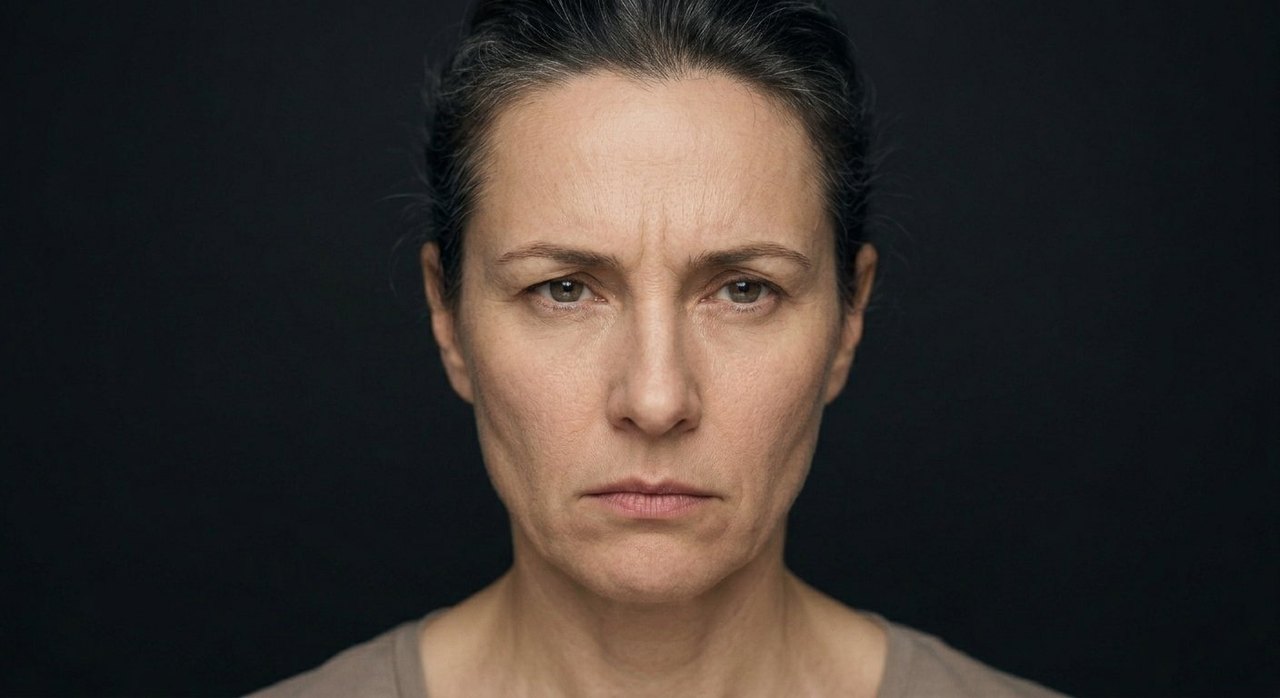
Vindictive intent
Cold, deliberate intent to wound another in return.
Vindictive intent is cold, deliberate intent to wound another in return. The chest is cold with calculation and the mind plans. Hot anger has passed into deliberate planning of harm. The commitment to inflicting return harm is settled.
Revenge costs more than the satisfaction it promises
Vindictive intent is the plan to wound someone back. The fantasy is clean. The reality is dirty. Revenge, when acted on, rarely produces the relief the fantasy promised. It usually extends the conflict and costs you more. The best response to being wronged, when possible, is not revenge but reduction. Reduce their role in your life. Reduce their access. Reduce your mental real estate spent on them. This is slower and less dramatic than revenge. It is also more effective. The person you are angry with should be background, not foreground. Take away their starring role. That is the deepest form of victory.
"Before you embark on a journey of revenge, dig two graves."
— Confucius
Vindictive intent has a distinctive body signature of cold sustained calculating activation. The chest is cold with sustained calculation. The breath becomes controlled and steady. The face shows particular cold deliberate quality, often with reduced ordinary animation. The voice carries particular cold deliberate quality when speaking about the target. The body holds itself in a way that suggests sustained cold purpose: posture often becomes settled and contained, gestures often deliberate and measured, attention sustained on the planned harm. The state can be sustained over substantial periods when underlying grievances and patterns support it. Sustained vindictive intent often produces substantial difficulty for the person carrying it and for those affected by planned harm.
Vindictive intent has been engaged with in research on revenge, rumination, and various aspects of sustained negative engagement with grievances. Research has shown that sustained vindictive engagement typically produces substantial costs for the person carrying it including health effects, relationship effects, and various other negative outcomes. The capacity for vindictive intent appears widely shared though substantial individual and cultural variation exists in how readily it develops and how it is expressed.

Vindictive intent arises through specific conditions involving sustained engagement with grievances. Common patterns include:
Vindictive intent typically produces substantial harm to both the person carrying it and the target. The following help.
Recognise vindictive intent rather than acting on it
Recognising vindictive intent for what it is, rather than acting on it directly, supports better engagement. The recognition allows examination of what underlies the intent, consideration of consequences, and engagement with whether the intent serves what you actually want. Acting on vindictive intent typically produces substantial costs that the intent itself does not predict.
Address underlying wrongs through legitimate means when possible
When vindictive intent reflects unresolved wrongs, addressing the wrongs through legitimate means often supports better outcomes than vindictive action. Legal processes, formal complaints, direct engagement, or various other approaches may address the wrong while avoiding the costs of vindictive action.
Work with rumination patterns
Sustained vindictive intent often involves rumination that maintains and amplifies the intent. Working with rumination patterns through specific techniques including mindfulness practices, cognitive approaches, or other interventions supports reduction of what maintains vindictive intent.
Engage with forgiveness when authentic and appropriate
Genuine forgiveness when authentic and appropriate often supports substantial reduction of vindictive intent. The forgiveness need not involve excusing the wrong or reconciling with the perpetrator; it can involve releasing the sustained vindictive engagement that the wrong continues to produce. Various traditions provide substantial wisdom about forgiveness.
Seek professional support for sustained vindictive intent
Sustained vindictive intent that has not yielded to other engagement, that has produced significant difficulty, or that involves planning of harm warrants professional support. Therapy can help work with sustained patterns; in some cases professional support may also be appropriate including for safety of potential targets if planned harm seems likely. Crisis resources are appropriate when needed including in situations involving threat of harm to others.
"Research on revenge and sustained negative engagement with grievances has shown that vindictive engagement typically produces substantial costs for the person carrying it including health, relational, and other effects."
— A theme in research on revenge and rumination
What is vindictive intent?
Vindictive intent is cold, deliberate intent to wound another in return. The body has been organised around sustained cold purpose of inflicting return harm, with quality that combines coldness with deliberate intent rather than hot reactive anger. The chest is cold with sustained calculation. The mind plans. There is a quality of having moved past hot anger into deliberate planning of harm, of operating from sustained cold intent rather than from acute reactive emotion, of having committed to inflicting harm in return for what was done. Vindictive intent specifically refers to cold deliberate intent to wound another in return.
Where do people feel vindictive intent in the body?
Vindictive intent has a distinctive signature of cold sustained calculating activation. The chest is cold with sustained calculation. The breath becomes controlled and steady. The face shows particular cold deliberate quality, often with reduced ordinary animation. The voice carries particular cold deliberate quality when speaking about the target. The body holds itself in a way that suggests sustained cold purpose: posture often becomes settled and contained, gestures often deliberate and measured, attention sustained on the planned harm. The state can be sustained over substantial periods when underlying grievances and patterns support it. Sustained vindictive intent often produces substantial difficulty for the person carrying it and for those affected by planned harm.
How is vindictive intent different from anger?
Anger is the broader category that includes various forms. Vindictive intent is the specific cold deliberate form involving planning to wound. A person can be angry without vindictive intent (response to wrong without specific committed plan to inflict return harm). Vindictive intent involves the additional cold planning dimensions. Anger can be acute hot reactive response that arises and resolves; vindictive intent specifically involves sustained cold engagement with planning return harm. Anger may produce various responses including direct confrontation, withdrawal, communication about wrong, or appropriate action; vindictive intent specifically focuses on planning to inflict harm. The distinction matters because the responses appropriate to each differ: anger may benefit from direct engagement with what produced it or from various other approaches; vindictive intent typically warrants attention to what maintains it and to consequences of acting on it. Hot anger that arises and resolves through appropriate response often serves better than the sustained cold engagement that vindictive intent involves.
Is wanting revenge normal?
Wishes for return harm in response to significant wrongs occur commonly across cultures and may serve normal functions including signalling the seriousness of wrongs and supporting appropriate response. The wish itself is widely shared though substantial individual and cultural variation exists. Vindictive intent specifically refers to cold committed intent that has moved past wish into planning. Research on revenge has shown that sustained vindictive engagement typically produces substantial costs for the person carrying it including health effects, relationship effects, and various other negative outcomes. The distinction between ordinary wishes for return harm that may pass and sustained vindictive intent that involves committed planning matters; the former is typically widely shared while the latter often produces substantial difficulty. Various cultural and religious traditions have engaged extensively with response to wrongs including both supporting appropriate response and warning against the costs of sustained vindictive engagement. Working with wishes for return harm in ways that support appropriate response while avoiding the costs of sustained vindictive intent often supports better outcomes.
How do you let go of vindictive intent?
Several practices help. Recognising vindictive intent rather than acting on it allows examination of what underlies the intent, consideration of consequences, and engagement with whether the intent serves what you actually want; acting on vindictive intent typically produces substantial costs. Addressing underlying wrongs through legitimate means when possible often supports better outcomes than vindictive action; legal processes, formal complaints, direct engagement, or various other approaches may address the wrong while avoiding the costs of vindictive action. Working with rumination patterns through specific techniques including mindfulness practices, cognitive approaches, or other interventions supports reduction of what maintains vindictive intent. Engaging with forgiveness when authentic and appropriate often supports substantial reduction; the forgiveness need not involve excusing the wrong or reconciling but can involve releasing the sustained vindictive engagement. Sustained vindictive intent that has not yielded to other engagement, that has produced significant difficulty, or that involves planning of harm warrants professional support; therapy can help work with sustained patterns. In situations involving threat of harm to others, crisis resources and professional support are appropriate.
No source-level citations are stored for this entry yet. The dictionary draws on the broader literature in affective neuroscience, psychology and cross-cultural emotion research. See the About page for the project's wider references.
Vindictive intent sits in the negative family because of its substantial difficulty and potential for harm. It overlaps with anger as the broader category, with revenge when broader desire for return harm is central, with bitterness when sustained negative engagement is involved, with what research on revenge has examined as significant for understanding sustained conflict, and with what research on rumination has identified as feature of various sustained negative engagement patterns.
See where vindictive intent sits among the other 402 emotions.
Open Vindictive intent on the wheel