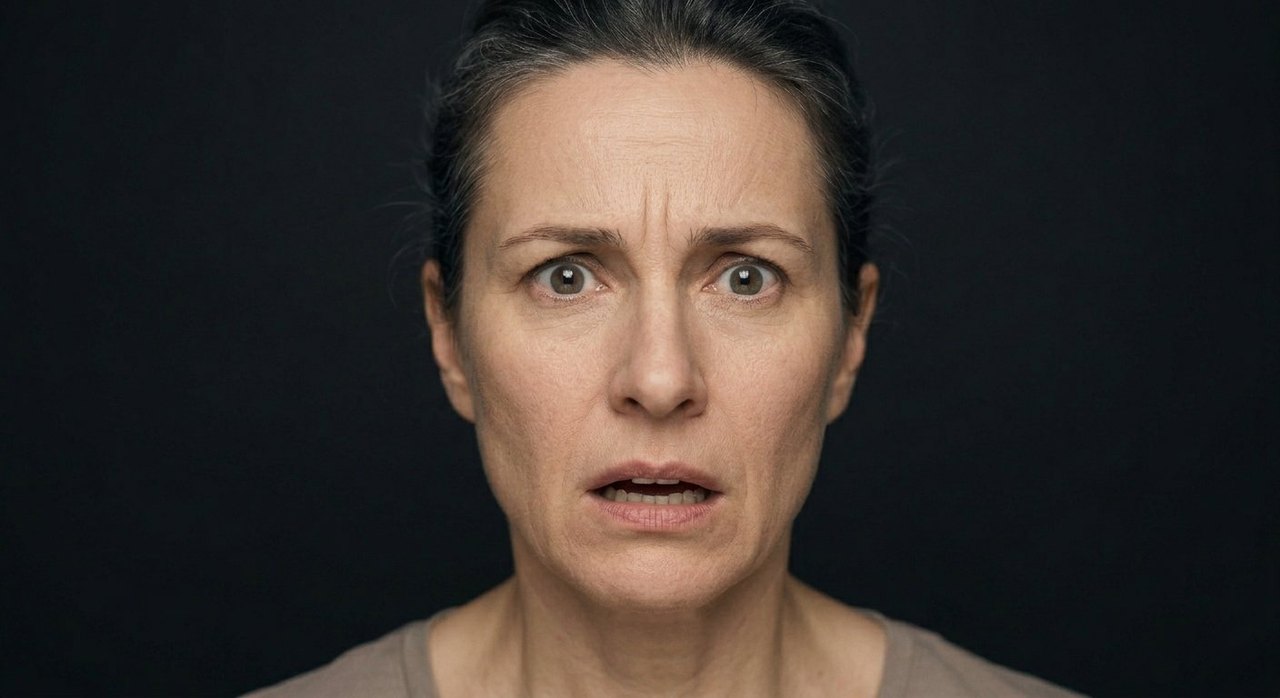
Desperation
Frantic, last-resort urgency when options have run out.
Desperation is frantic, last-resort urgency when options have run out. The chest is acutely tight and the breath turns shallow and rapid. Ordinary recourse has been exhausted. You become willing to do almost anything, which often makes things worse.
Desperation makes bad decisions. Slow down.
Desperation is the feeling that you must act immediately because the situation is dire. Sometimes it is. More often, the urgency is exaggerated by panic. Desperate decisions tend to be the ones you regret most. The marriage you entered because you were lonely. The job you took because you were broke. The move you made because you could not bear another day. If you can, slow down, even for an hour. Eat something. Talk to someone trusted. The urgency usually reduces enough to let a better decision emerge. Desperation makes the worst option look like the only option. It is almost never the only option.
"The remedy for panic is preparation, not haste."
— Seneca
Desperation has a distinctive body signature of mobilised exhaustion. The chest carries acute tightness without the energy of acute fear. The breath becomes shallow and rapid. The hands may shake. The face shows particular intensity combined with a quality of being at the edge. There is often a tunnelling of perception, where alternatives narrow and the desperate option begins to seem like the only option. The voice may take on particular urgency. The body is mobilised for action but with a quality of having burned through ordinary capacity. Sustained desperation, sometimes encountered in chronic conditions, can produce particular exhaustion alongside the activation.
Desperation has been studied less directly than related emotions but appears in research on decision-making under extreme conditions, suicide risk, and what some researchers call psychache (Shneidman, 1993). Research on decision-making has shown that desperation typically produces poorer rather than better choices: the narrowing of perception and the urgency to act often produce decisions that worsen the underlying situation. This has been particularly studied in financial contexts (desperate financial decisions tend to be worse than considered ones) and in relational contexts (desperate relational decisions tend to push people away rather than securing connection).

Desperation arises through specific conditions involving exhaustion of available resources or options. Common patterns include:
Desperation is one of the more dangerous states because of how it affects decision-making. The following help.
Slow down before acting on desperate impulses
Desperation drives toward immediate action. The action driven by desperation often worsens the situation. Building in any pause before desperate action (waiting overnight, talking with someone, sleeping on it) almost always produces better outcomes than immediate action. The urgency feels real; the action it produces usually is not as required as it feels.
Get outside perspective
Desperation narrows perception in ways that hide available options. Outside perspective from a trusted person, sponsor, advisor, or professional almost always reveals options that desperation had hidden. The felt accuracy of having no options is usually wrong; getting another view often shows what was missed.
Address the conditions producing desperation where possible
Some desperation arises from genuinely difficult conditions that can be partially addressed: financial situations, medical situations, relationship situations. Working on the underlying conditions, often with help, usually produces better outcomes than acting from desperation. The conditions take time to change but often can change with sustained work.
Get crisis support
Severe desperation, particularly desperation that includes thoughts of self-harm, warrants immediate professional support. Crisis lines exist for these situations and provide skilled support in the immediate moment. UK: Samaritans 116 123; US: 988 Suicide and Crisis Lifeline; Australia: Lifeline 13 11 14. These are appropriate when desperation is acute, not just when crisis is immediate. Getting through the acute desperation usually requires support, not just willpower.
Do not make irreversible decisions in desperate states
The most important practice for desperation is avoiding irreversible action during acute desperation. Many decisions made in desperation are deeply regretted later. Most situations that feel like they require immediate desperate action actually allow time for the desperation to pass before deciding. Building in time before irreversible action, even when the desperation says there is no time, usually produces better outcomes than acting on the urgency.
"Desperation typically produces worse decisions, not better ones. The urgency and the narrowed perception combine to produce action that often worsens rather than improves the situation. Slowing down before desperate action almost always helps."
— A common finding in decision research
What is desperation?
Desperation is frantic, last-resort urgency when options have run out. The body is mobilised but with a particular quality of having exhausted ordinary recourse. The chest carries acute tightness. The breath becomes shallow and rapid. There is a quality of being willing to do almost anything because what has been tried has not worked. It is one of the more dangerous emotional states because the urgency it produces often drives action that worsens rather than improves the situation, and because the felt sense of running out of options is often distorted by the desperation itself.
Where do people feel desperation in the body?
Desperation has a distinctive signature of mobilised exhaustion. The chest carries acute tightness without the energy of acute fear. The breath becomes shallow and rapid. The hands may shake. The face shows particular intensity combined with a quality of being at the edge. There is often a tunnelling of perception, where alternatives narrow and the desperate option begins to seem like the only option. The voice may take on particular urgency. The body is mobilised for action but with a quality of having burned through ordinary capacity.
Why is desperation dangerous?
Research on decision-making has shown that desperation typically produces poorer rather than better choices. The narrowing of perception and the urgency to act combine to produce action that often worsens the situation rather than improving it. This is particularly studied in financial contexts (desperate financial decisions tend to be worse than considered ones) and in relational contexts (desperate relational decisions tend to push people away rather than securing connection). The most dangerous form is desperation that includes thoughts of self-harm, which warrants immediate professional support because the actions it drives can be irreversible.
How do you handle desperate feelings?
Several practices help. Slowing down before acting on desperate impulses almost always produces better outcomes than immediate action; building in any pause (waiting overnight, talking with someone, sleeping on it) is usually beneficial. Getting outside perspective from a trusted person or professional almost always reveals options that desperation had hidden. Addressing the conditions producing desperation, often with help, usually produces better outcomes than acting from desperation. Avoiding irreversible decisions during acute desperation is one of the most important practices, because many such decisions are deeply regretted later.
What should I do if I'm feeling desperate and thinking about harming myself?
Please reach out immediately. Severe desperation that includes thoughts of self-harm warrants immediate professional support. Crisis lines exist for these situations: UK: Samaritans 116 123 (free, 24/7); US: 988 Suicide and Crisis Lifeline; Australia: Lifeline 13 11 14. These are appropriate when desperation is acute, not just when crisis is immediate. Getting through acute desperation usually requires support, not just willpower. The desperation feels accurate, but the conditions producing it can change, and the desperation itself usually distorts the felt sense of what is possible. The path through almost always involves not bearing it alone.
- Shneidman, E. S. (1993). Suicide as psychache. The Journal of Nervous and Mental Disease, 181(3), 145–147.
Desperation sits in the negative family as one of its more acute and dangerous states. It overlaps with hopelessness when belief in possibility has been extinguished, with panic when the desperation has acute fear features, with helplessness when the underlying inability to act effectively is central, and with what crisis intervention research treats as one of the most important states to address before irreversible decisions are made.
See where desperation sits among the other 402 emotions.
Open Desperation on the wheel