Tsundoku
Japanese: the act of buying books and never reading them.
Tsundoku is buying books and never reading them. The Japanese word names this habit. Pleasure in acquiring meets mild guilt at the unread piles. The love of books exceeds the capacity to read them. Possibility accumulates, perhaps never realised.
The unread books are also the library
Tsundoku is the Japanese word for the habit of acquiring books and not reading them. English-speaking book lovers feel guilty about this. The Japanese word does not carry the same guilt. The unread books are part of the life of the mind. They represent possibilities, future selves, roads you may yet walk. Not every book you own needs to be read. Some are there as reminders of what interests you. Some are there for a season you have not yet reached. Some are there as company on the shelf. The library is a living thing, not a checklist. Stop feeling guilty. The books are not asking you to finish them. They are simply there, waiting or not, companionably.
"A home without books is a body without soul."
— Marcus Tullius Cicero
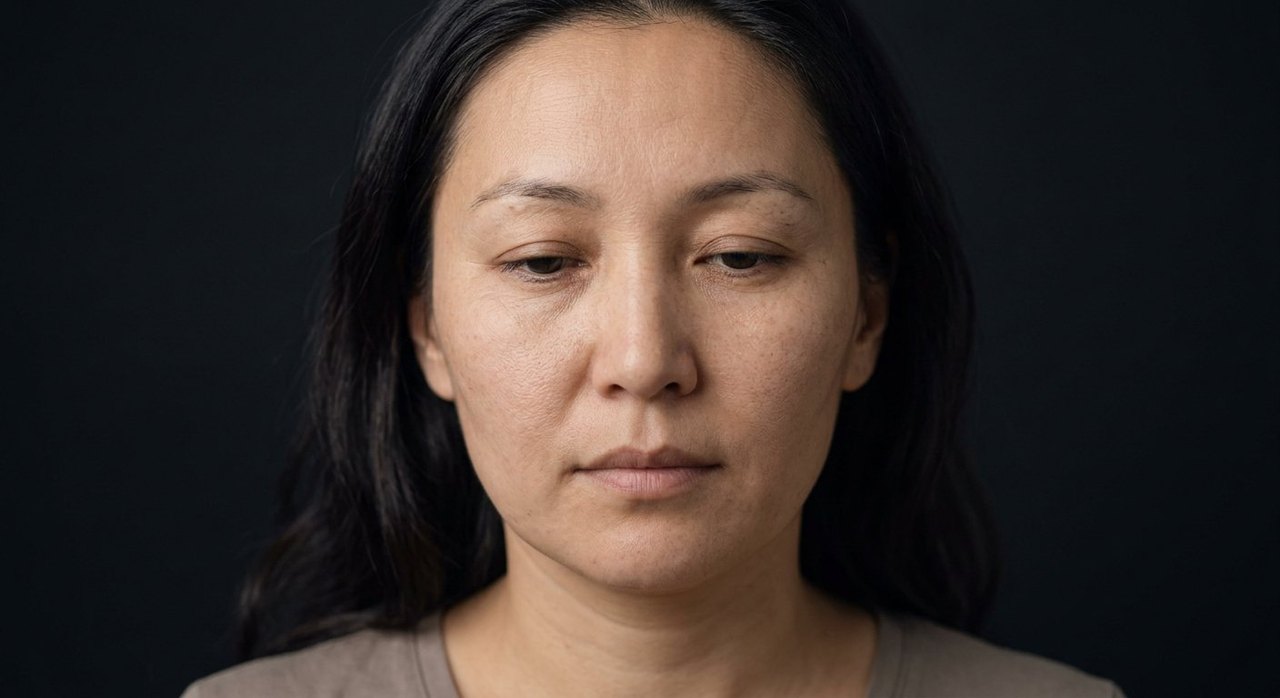
Tsundoku has a distinctive body signature of accumulated possibility. The chest carries mild weight when looking at unread piles or shelves of unread books. The face often shows particular wistful attention to the books, sometimes with mild guilt. The voice often carries particular slight defensiveness when the unread piles are noticed by others. The body holds itself in a way that suggests both attachment to the books and some awareness of the gap between intention and reading. The state operates as background colouring of engagement with books and bookshelves rather than as acute experience.
Tsundoku has been studied less directly as emotional experience and more as cultural phenomenon. The term combines tsunde-oku (to stack things up) and dokusho (reading). Research on book ownership and reading patterns has shown that book accumulation often exceeds reading across many cultures; the Japanese term names the experience that many people share without specific concept. The pleasure of book acquisition and the guilt or recognition about not reading have been engaged with in various essays and cultural writing, though formal psychological research has been limited.

Tsundoku arises through specific conditions involving book love and acquisition patterns. Common patterns include:
Tsundoku is usually a benign pattern that does not warrant significant intervention. The following help when it has become troubling.
Accept tsundoku as legitimate book love
Tsundoku is widely shared among book lovers and does not typically warrant elimination. Accepting that book love often exceeds reading capacity, that the books represent something meaningful even when not all are read, supports relationship with books that does not require constant reading match acquisition. The cultural shame about unread books often produces unnecessary guilt about a benign pattern.
Distinguish from problematic accumulation
When book accumulation has crossed from ordinary tsundoku into patterns that affect living spaces, finances, or relationships significantly, the pattern may warrant attention. Distinguishing benign book love from problematic accumulation supports appropriate response. Most tsundoku is the benign form; the problematic form is its own pattern.
Read what you want to read
Reading what you actually want to read, rather than working through unread books from sense of obligation, often produces better reading experiences. Some books in your unread piles will never be read because you no longer want to read them; this is fine. Reading from interest rather than obligation supports better engagement with what is actually read.
Curate when curation serves you
Some people benefit from periodic curation of unread books, donating or selling what they recognise they will not read. This can reduce the felt weight of unread piles while keeping books that genuinely interest you. Other people prefer to keep books that may never be read; both approaches can be appropriate.
If tsundoku has become significantly distressing
When tsundoku produces significant sustained distress beyond mild guilt, the pattern may warrant attention to underlying issues including perfectionism, particular shame patterns, or related psychological structures. The pattern itself is usually benign; significant distress about it often reflects broader patterns worth working with.
"Research on book ownership and reading patterns has shown that book accumulation often exceeds reading across many cultures; the Japanese term names the experience that many people share without specific concept."
— A summary of research on book ownership
What is tsundoku?
Tsundoku is the Japanese word for the act of buying books and never reading them. The body has been carrying the particular pleasure of acquiring books combined with the persistent guilt or recognition of not having read them. The chest carries mild weight when looking at unread piles. The eyes catch on titles never opened. There is a quality of loving books that exceeds your capacity to read them, of accumulating possibility that may not be realised, of being a particular kind of book lover whose love manifests partly through acquisition. Tsundoku specifically refers to the felt experience of book accumulation that exceeds reading, often with both the pleasure of acquisition and the awareness of not reading what is acquired.
Where do people feel tsundoku in the body?
Tsundoku has a distinctive signature of accumulated possibility. The chest carries mild weight when looking at unread piles or shelves of unread books. The face often shows particular wistful attention to the books, sometimes with mild guilt. The voice often carries particular slight defensiveness when the unread piles are noticed by others. The body holds itself in a way that suggests both attachment to the books and some awareness of the gap between intention and reading. The state operates as background colouring of engagement with books and bookshelves rather than as acute experience.
Where does the word tsundoku come from?
Tsundoku is a Japanese term that combines tsunde-oku (to stack things up) and dokusho (reading). The term has been adopted into other languages because it names an experience that many people share but for which other languages lack specific concept. The phenomenon of accumulating books beyond reading capacity is widespread across cultures; the Japanese term has provided useful vocabulary for naming it. Research on book ownership and reading patterns has shown that book accumulation often exceeds reading across many cultures, suggesting the experience tsundoku names is widely shared even where it has not received specific cultural framing.
Is tsundoku bad?
Usually not. Tsundoku is widely shared among book lovers and does not typically warrant elimination. The pleasure of acquiring books, the aspirational dimension of keeping books for future reading, the cultural and aesthetic value of book ownership all serve functions beyond just reading. The books represent something meaningful even when not all are read. The cultural shame about unread books often produces unnecessary guilt about a benign pattern. Tsundoku becomes problematic only when book accumulation has crossed into patterns that affect living spaces, finances, or relationships significantly; most tsundoku is the benign form. When tsundoku produces significant sustained distress beyond mild guilt, the pattern may warrant attention to underlying issues, but the pattern itself is usually fine and even valuable as expression of love for books.
Should I get rid of unread books?
It depends on what serves you. Some people benefit from periodic curation of unread books, donating or selling what they recognise they will not read; this can reduce the felt weight of unread piles while keeping books that genuinely interest you. Other people prefer to keep books that may never be read because the possibility itself has value; this is also legitimate. Reading what you actually want to read, rather than working through unread books from sense of obligation, often produces better reading experiences. Some books in your unread piles will never be read because you no longer want to read them, and this is fine. The decision about whether to keep or curate unread books is personal; both approaches can be appropriate depending on what serves you and how the books fit into your life.
No source-level citations are stored for this entry yet. The dictionary draws on the broader literature in affective neuroscience, psychology and cross-cultural emotion research. See the About page for the project's wider references.
Tsundoku sits in the untranslatable family as one of its more specific cultural concepts. It overlaps with bibliomania at higher intensity, with hoarding when problematic accumulation is involved, with aspirational consumption as a broader category, with what cultural studies of book ownership have identified as widespread patterns, and with what Japanese cultural traditions have engaged with through specific naming.
See where tsundoku sits among the other 402 emotions.
Open Tsundoku on the wheel