Sobremesa
Spanish: lingering at the table after a meal, talking.
Sobremesa is lingering at the table after a meal, talking. The Spanish word names this suspended time. The chest is relaxed and the voice flows easily. The food is finished but no one wants to leave. The conversation is its own reason.
Lingering at the table is where the love lives
Sobremesa is the Spanish word for the time after a meal, when the plates are cleared but no one leaves the table. The conversation drifts. More coffee is poured. Someone opens a bottle of something. The hours move slowly. Modern life has killed sobremesa. We eat fast and move on. This is a loss. The best conversations of my life, most people report, have happened during sobremesa. Host more meals. Do not rush anyone away afterwards. Leave the dishes for later. The time at the table is the reason for the meal, not its aftermath. Let it happen.
"Eating is an agricultural act."
— Wendell Berry
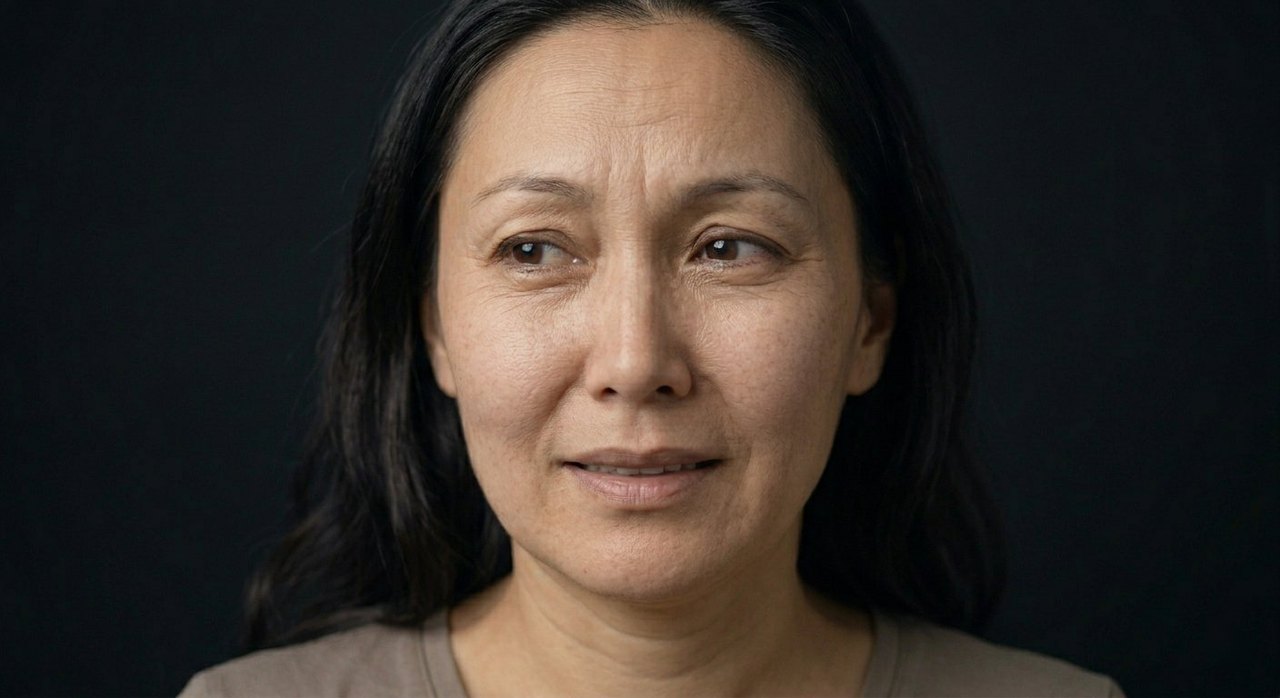
Sobremesa has a distinctive body signature of settled extended presence. The chest is relaxed. The breath is easy and full. The body has slowed from the activity of eating into the slower rhythm of extended conversation. The face shows particular soft engagement. The voice flows without rush. There is a quality of time having stopped its usual measurement, of being content to be exactly where you are with the people you are with. Movement is minimal; the body has settled into the seat and the conversation. The state can extend for hours when conditions support it, sometimes longer than the meal that preceded it.
Sobremesa is primarily a cultural concept rather than an empirically studied emotion, though it relates to research on social meals, leisure time, and what some researchers call social time. The concept is particularly associated with Spanish and Latin American culture, where extended post-meal conversation is a traditional practice. Research on cultural differences in time use and meal practices has documented significant variation in how cultures structure mealtimes, with some emphasising efficient consumption and others emphasising the extended social experience that sobremesa represents.

Sobremesa arises through specific conditions involving meals, time, and relational quality. Common patterns include:
Sobremesa is more cultivatable than usually recognised when its conditions are understood. The following help.
Allow meals to extend without rushing
Many people in modern life eat quickly and move on to the next activity. Allowing meals to extend beyond what efficiency would suggest, particularly when you are with people you enjoy, often produces sobremesa-like experience even outside cultural contexts that explicitly support it. The first step is just not rushing.
Eat with people you genuinely want to be with
Sobremesa depends on the company. Choosing meal companions you actually want extended time with, rather than purely functional meal partners, supports the conditions where sobremesa can develop. This sometimes requires deliberate choice against efficient social maintenance through quick meals with many people.
Protect unstructured time around meals
Sobremesa requires time without competing demands. Building meals into your life that have buffer time afterward, rather than scheduling them tightly, supports the conditions where extended conversation can develop. The unstructured time after the meal is part of what makes the meal itself different.
Choose settings that support lingering
Some settings make sobremesa easier than others. Home meals, restaurants without rush-the-table service, settings where staying long is normal all support sobremesa more than settings with implicit pressure to leave. Choosing settings deliberately for the kind of social time you want often produces better results than just hoping it develops.
Engage genuinely in conversation
Sobremesa is partly about the quality of conversation that develops. Engaging genuinely rather than performing or maintaining surface social patterns supports the kind of conversation that wants to continue. Sobremesa often features the kinds of conversations that do not occur in shorter or more bounded contexts: stories told fully, ideas explored, relationships deepened. The willingness to engage at depth is part of what makes the lingering rewarding.
"Sobremesa is a cultural practice as much as an emotion. The meal becomes both anchor and excuse for sustained conversation; the food has done its work and now the talking can continue with no purpose beyond itself."
— A common framing of sobremesa as cultural practice
What is sobremesa?
Sobremesa is the Spanish word for lingering at the table after a meal, talking. The body has settled into the particular quality of conversation that comes when food is finished but no one wants to leave. The chest is relaxed. The voice flows easily. There is a quality of time having stopped its usual rush, of being suspended in conversation that is its own reason for existing. Sobremesa specifically refers to the felt experience of conversation that extends beyond the meal itself, with the food acting as both anchor and excuse, where the conversation has its own quality that is different from conversation in other contexts.
Where do people feel sobremesa in the body?
Sobremesa has a distinctive signature of settled extended presence. The chest is relaxed. The breath is easy and full. The body has slowed from the activity of eating into the slower rhythm of extended conversation. The face shows particular soft engagement. The voice flows without rush. There is a quality of time having stopped its usual measurement, of being content to be exactly where you are with the people you are with. Movement is minimal; the body has settled into the seat and the conversation. The state can extend for hours when conditions support it.
Is sobremesa unique to Spanish culture?
The specific concept of sobremesa is most developed in Spanish and Latin American cultures, where the practice has clear cultural legitimacy. Other cultures have analogous practices: the Italian post-meal table, the French dinner that extends into evening, certain Middle Eastern and South Asian meal traditions. The concept of extended post-meal conversation is widespread across cultures that have not adopted modern efficient eating practices. Cultures that emphasise efficient consumption typically have less developed practice of sobremesa, though individual families and groups may maintain it.
How is sobremesa different from just chatting after dinner?
After-dinner conversation can be brief and functional; sobremesa specifically involves the choice to linger and the felt quality that choice produces. The difference is in the felt experience: sobremesa has a particular quality of suspended time, of conversation that has become its own purpose, of being content with extended presence. The relationship to the meal matters too: sobremesa is anchored in the shared meal and extends from it. The quality emerges from the combination of the meal that preceded it, the company involved, the absence of competing demands, and the willingness to engage in conversation that does not need to go anywhere.
How can you create sobremesa in your own life?
Several practices help cultivate sobremesa-like experience even outside cultural contexts that explicitly support it. Allowing meals to extend without rushing, even when efficiency would suggest moving on, is the first step. Eating with people you genuinely want extended time with, rather than purely functional meal partners, supports the conditions where sobremesa can develop. Protecting unstructured time around meals, rather than scheduling them tightly, allows the post-meal time to extend without pressure. Choosing settings that support lingering rather than rushing departures helps. Engaging genuinely in conversation rather than maintaining surface patterns supports the kind of talk that wants to continue. Many modern people miss out on sobremesa not because they could not have it but because they have not built the conditions where it can develop.
No source-level citations are stored for this entry yet. The dictionary draws on the broader literature in affective neuroscience, psychology and cross-cultural emotion research. See the About page for the project's wider references.
Sobremesa sits in the untranslatable family as one of its more culturally specific concepts. It overlaps with gezelligheid (Dutch concept of cosy social warmth) in some respects, with conviviality as the broader concept, with what social meal research treats as one of the more important relational practices, and with what slow food and slow living movements have emphasised as important counter-practices to modern efficiency.
See where sobremesa sits among the other 402 emotions.
Open Sobremesa on the wheel