Patience
Calm endurance of delay or difficulty.
Patience is calm endurance of delay or difficulty. The chest is even and the breath stays steady through what cannot be hurried. You stay present without urgent need for circumstances to change. It is not passivity or suppression.
Patience is a skill, not a virtue you are born with
Patience is the willingness to let the correct timing unfold. It is not passive. It is an active discipline of not forcing. The bread will rise when the yeast has done its work. The relationship will settle when both people have done theirs. The career will shift when the ground has shifted. Impatience tries to speed up biological and social processes that have their own tempo. It usually breaks the thing. Patience does not mean inaction. It means right action at the right moment. Ask, what is the next true move? Then take it, and wait for the feedback before the next one. The right pace is slower than you want it to be. The right pace works.
"Patience is bitter, but its fruit is sweet."
— Aristotle
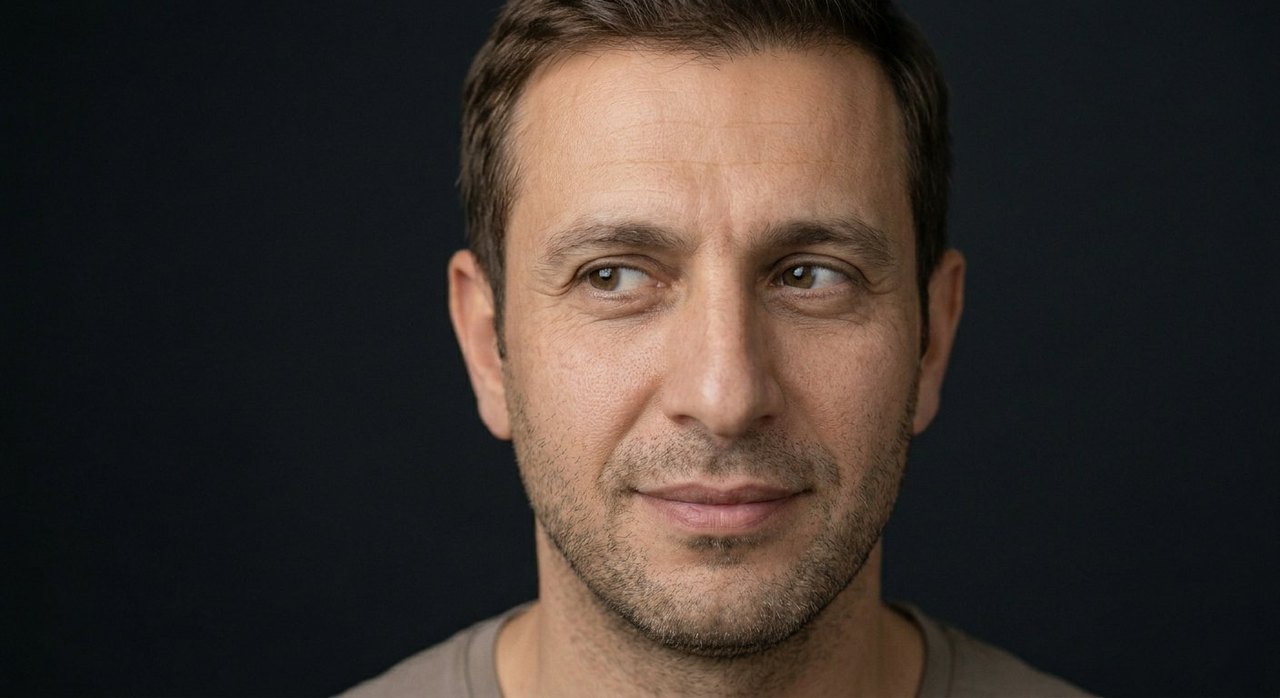
Patience has a distinctive body signature of sustained even presence. The chest is steady. The breath remains regular even when circumstances would naturally produce activation. The shoulders stay relaxed. The face shows particular evenness without strain. The body has settled into a state that can be maintained through extended periods of waiting, difficulty, or slow progress. There is no urgency in the muscles, no edge in the voice, no constant scanning for resolution. The body has accepted current pace and conditions without collapsing into them.
Patience has been studied within positive psychology, particularly through Schnitker's work developing the Three-Factor Patience Scale that distinguishes interpersonal patience, life hardship patience, and daily hassles patience (Schnitker, 2012). Research has linked patience to multiple well-being outcomes, including reduced depression and anxiety, better physical health markers, and improved goal achievement over long timeframes. Patience appears to be both trait-like (some people are more patient by disposition) and state-like (patience can be cultivated through specific practices), with sustained practice producing measurable changes over months.

Patience develops through specific conditions and practice rather than arising automatically. Common patterns include:
Patience is one of the more cultivatable positive states. The following help.
Develop contemplative practice
Meditation has direct evidence for developing patience. Sustained practice over months and years reliably produces measurable increases in the capacity to endure circumstances without urgent need for change. The practice is the most direct training for the underlying capacity that patience involves.
Notice when impatience is producing worse outcomes
Many impatience-driven actions produce worse outcomes than waiting would have produced: rushed decisions that get reversed, hurried work that needs redoing, premature responses that damage relationships. Noticing this pattern over time often reduces the felt urgency that produces impatience, because the body learns that rushing does not actually serve you.
Distinguish appropriate patience from inappropriate passivity
Some situations call for patience; some call for action. Distinguishing the two often clarifies what patience is asking and what it is not. Patience with slow growth in a relationship may be appropriate; patience with abuse is not. The distinction matters because indiscriminate patience can produce harm that appropriate patience does not.
Allow feelings while not acting on them immediately
Patience does not require not feeling frustration, urgency, or discomfort. It involves the ability to feel these things while not acting on them immediately. The capacity to bear the feelings without translating them into rushed action is the practical skill that patience involves. This skill is trainable through repeated practice.
If patience has become permanently inaccessible
Sustained inability to endure ordinary delays or difficulties, particularly when combined with sustained agitation or distress, may signal anxiety patterns, sleep deprivation, chronic stress, or other conditions that warrant attention. The capacity for patience is widely shared. Persistent absence often points at conditions that can be addressed rather than at character flaw.
"Patience is the active capacity to endure delay or difficulty without urgent need for change. The active dimension matters: passive waiting is not the same as patient endurance."
— A common framing in patience research
What is patience?
Patience is calm endurance of delay or difficulty. The body holds itself steady through the wait, through the slow unfolding, through what cannot be hurried. The chest is even. The breath remains steady. There is a quality of being present with current circumstances without urgent need for them to change. Patience specifically refers to the active capacity to endure delay or difficulty without urgent need for change, while remaining engaged with what is actually happening. The endurance is the essential feature, but the endurance must be active rather than collapsed.
Where do people feel patience in the body?
Patience has a distinctive signature of sustained even presence. The chest is steady. The breath remains regular even when circumstances would naturally produce activation. The shoulders stay relaxed. The face shows particular evenness without strain. The body has settled into a state that can be maintained through extended periods of waiting, difficulty, or slow progress. There is no urgency in the muscles, no edge in the voice, no constant scanning for resolution. The body has accepted current pace and conditions without collapsing into them.
Can patience be learned?
Yes. Schnitker's research on patience identified it as both trait-like (some people are more patient by disposition) and state-like (patience can be cultivated through specific practices). The most reliable interventions include sustained contemplative practice (meditation has direct evidence for developing patience), engagement with slow processes that naturally train the capacity, and specific cognitive practices around impatience-driven action. Sustained practice over months produces measurable changes in patience across many areas of life.
Is patience the same as being passive?
No, and this distinction matters significantly. Passivity is the absence of action when action is warranted. Patience is the choice to endure delay or difficulty appropriately, often while continuing to act in ways that support the long-term goal. A patient person continues working toward something over long timeframes; a passive person stops acting at all. Real patience is active rather than collapsed. Some patience that appears in spiritual or cultural frameworks can become weaponised to silence legitimate complaint, but this is closer to bypassing than to genuine patience.
How do you stop feeling impatient all the time?
Several practices help. Developing contemplative practice trains the underlying capacity. Noticing when impatience produces worse outcomes (rushed decisions, hurried work, premature responses) often reduces the felt urgency over time. Distinguishing appropriate patience from inappropriate passivity helps direct response well. Allowing feelings of frustration or urgency to be present without immediately acting on them builds the practical skill that patience involves. Sustained inability to endure ordinary delays, particularly combined with agitation, may signal anxiety patterns, sleep deprivation, or chronic stress that warrant attention beyond just trying to be more patient.
- Schnitker, S. A. (2012). An examination of patience and well-being. The Journal of Positive Psychology, 7(4), 263–280. https://www.tandfonline.com/doi/abs/10.1080/17439760.2012.697185
- Schnitker, S. A., & Emmons, R. A. (2007). Patience as a virtue: Religious and psychological perspectives. Research in the Social Scientific Study of Religion, 18, 177–207.
Patience sits in the positive family as one of its more practically important character strengths. It overlaps with composure when under specific pressure, with forbearance when the patience is specifically with provocation, with equanimity when the patience extends across changing circumstances, and with what positive psychology research treats as one of the foundational virtues across multiple cultural traditions.
See where patience sits among the other 402 emotions.
Open Patience on the wheel