Idealism
A hopeful belief in the possibility of a better world.
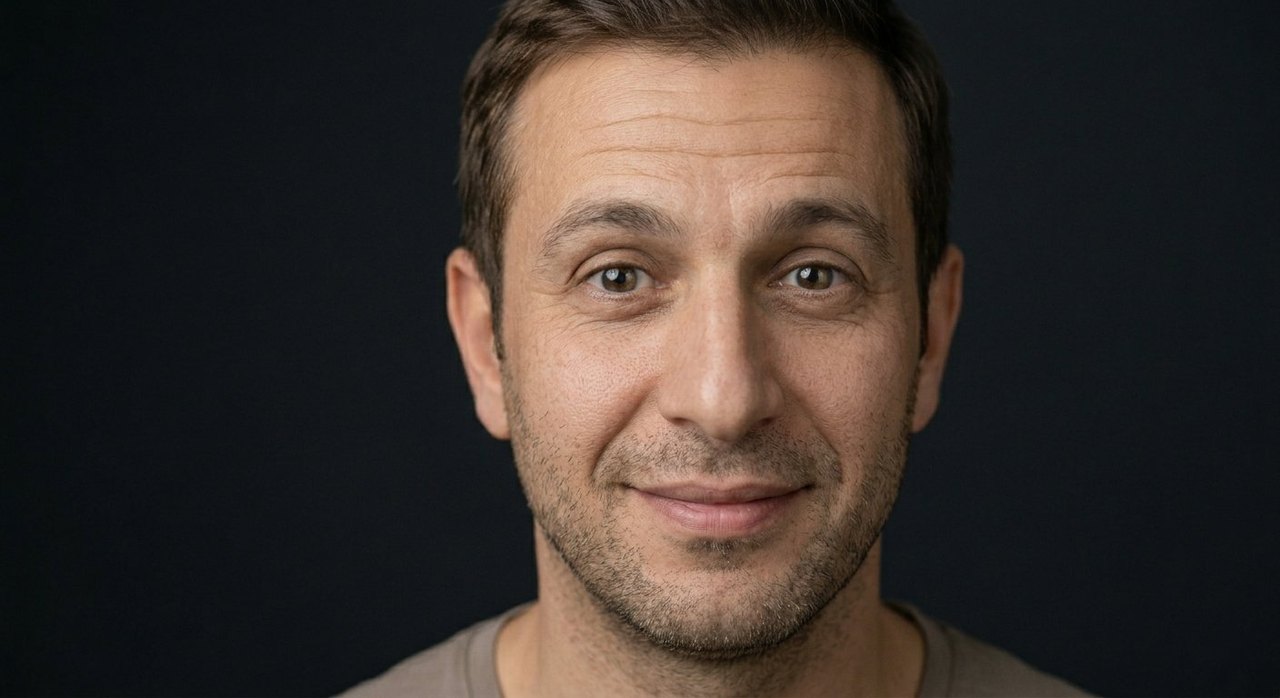
Idealism is hopeful belief in the possibility of a better world. The chest is open and the face shows hopeful attention. Current limitations are not treated as final. Values and visions stay pursued even in the face of obstacles.
Idealism is necessary. Only idealists build anything.
Idealism is mocked in cynical cultures. This is a mistake. Nothing good was ever built by someone who believed nothing could be made better. The idealist is not naive. The idealist is the only person who will show up tomorrow to do the slow work of improvement, because the cynic has given up. Preserve your idealism carefully. Pair it with realism about people and timelines. Do not confuse it with optimism about outcomes. You may work your whole life on something that does not succeed. The working itself was the point. Idealism is the fuel that lets you work on the long thing even when the short thing is discouraging.
"A man is only as old as his ideals."
— Jean Cocteau
Idealism has a distinctive body signature of sustained hopeful orientation. The chest is open with sustained quality. The breath is full and easy. The face shows particular hopeful attention, often with focused engagement when contemplating possibilities for improvement. The voice carries particular animated quality when discussing visions or possibilities. The body holds itself in a way that suggests being oriented toward what could be: posture forward-leaning, attention engaged with possibilities, energy available for working toward what is being envisioned. The state can be sustained over years when underlying conditions support it.
Idealism has been engaged with extensively in philosophy, political theory, and various traditions of social change. Research in psychology has examined related constructs including hope, optimism, and what is sometimes called future-oriented motivation. Research has shown that hopeful orientation toward what could be better is associated with various positive outcomes including engagement, motivation, and broader wellbeing, though the relationship is complex. Sustained idealism can also produce difficulty when reality consistently fails to match the ideals; managing the relationship between ideals and reality is one of the central questions for sustained idealism.

Idealism arises through specific conditions involving capacity for vision and orientation toward improvement. Common patterns include:
Idealism benefits from being sustained through engagement with reality rather than either abandoned or maintained through disengagement. The following help.
Engage with what makes ideals difficult
Sustainable idealism typically engages with what makes ideals difficult rather than ignoring these realities. Understanding obstacles, history of similar efforts, and what conditions support or undermine change supports more effective work toward ideals than continued idealism that does not engage with these realities.
Take action that fits current capacity
Some idealism becomes problematic when it sustains itself through inaction or grand visions that exceed current capacity. Taking action that fits current capacity, even when this action is modest relative to the ideals, often supports both effective change and sustained idealism. The action provides feedback that supports continued engagement.
Build community of others working toward similar visions
Idealism is typically sustained through community of others engaged with similar visions. Building or maintaining engagement with such community supports continued idealism through difficulty when individual idealism alone often cannot sustain itself. The community provides reinforcement and shared work.
Develop capacity for sustained engagement with imperfect outcomes
Idealism is tested by encountering imperfect outcomes that do not match ideals. Developing capacity to engage with imperfect outcomes while continuing to work toward what could be better is part of mature idealism. Treating imperfect outcomes as failure that warrants abandoning ideals often produces less sustained engagement than treating them as part of ongoing work.
If idealism has become disengaged from reality
Some sustained patterns of idealism reflect disengagement from reality rather than engaged work toward better outcomes. Working with these patterns supports more effective engagement than continued disengaged idealism. The capacity for engaged idealism that works toward change while engaging with realities can typically be developed when patterns are addressed.
"Research has shown that hopeful orientation toward what could be better is associated with various positive outcomes including engagement, motivation, and broader wellbeing."
— A summary of research on hopeful orientation
What is idealism?
Idealism is hopeful belief in the possibility of a better world. The body has been organised around sustained orientation toward what could be better, with quality of belief that current limitations are not final, that improvement is possible, that values and visions can be pursued even in face of obstacles. The chest is open with sustained orientation. The face shows particular hopeful attention. There is a quality of being oriented toward improvement, of not accepting current limitations as definitive, of working toward what could be even when current circumstances do not support it. Idealism specifically refers to belief in the possibility of a better world combined with orientation toward working for it.
Where do people feel idealism in the body?
Idealism has a distinctive signature of sustained hopeful orientation. The chest is open with sustained quality. The breath is full and easy. The face shows particular hopeful attention, often with focused engagement when contemplating possibilities for improvement. The voice carries particular animated quality when discussing visions or possibilities. The body holds itself in a way that suggests being oriented toward what could be: posture forward-leaning, attention engaged with possibilities, energy available for working toward what is being envisioned. The state can be sustained over years when underlying conditions support it.
Is idealism the same as being naive?
No, though they can be confused. Naivety involves lack of appropriate knowledge or skepticism. Idealism can be sophisticated and informed; many idealists have engaged deeply with what makes their ideals difficult while continuing to work toward them. A person can be idealistic without naivety (informed orientation toward better that has engaged with obstacles). The distinction matters because mature idealism engages with reality while continuing to work for change; disengaged idealism that does not engage with what makes change difficult may produce sustained frustration without effective work. Sustainable idealism typically requires both vision of what could be better and engagement with what makes change difficult. Treating all idealism as naive often dismisses important orientation toward change; treating all idealism as wise can support continued engagement that does not produce actual improvement.
How is idealism different from optimism?
Optimism is general positive expectation about outcomes. Idealism specifically involves vision of what could be better and orientation toward working for it. A person can be optimistic without idealism (positive expectations without specific orientation toward improvement). Idealism includes the additional directional dimension that ordinary optimism does not require. Optimism is about expecting positive outcomes; idealism is about envisioning and working toward specific better outcomes. The two often coexist but operate differently: optimism tends to expect things will go well; idealism tends to work for things to be better than they currently are. Idealism typically involves more sustained action toward specific visions than optimism alone, with engagement with what makes the visions difficult to realise.
How do you stay idealistic without becoming disillusioned?
Several practices help. Engaging with what makes ideals difficult, rather than ignoring these realities, supports more effective work; sustainable idealism typically engages with obstacles rather than denying them. Taking action that fits current capacity, even when modest relative to ideals, supports both effective change and sustained idealism. Building community of others working toward similar visions provides reinforcement that individual idealism alone often cannot sustain. Developing capacity for sustained engagement with imperfect outcomes is part of mature idealism; treating imperfect outcomes as failure warranting abandonment of ideals often produces less sustained engagement than treating them as part of ongoing work. When sustained idealism has become disengaged from reality without producing effective work, addressing the patterns through reflection or engagement with traditions of change can support more effective engagement.
No source-level citations are stored for this entry yet. The dictionary draws on the broader literature in affective neuroscience, psychology and cross-cultural emotion research. See the About page for the project's wider references.
Idealism sits in the positive family as one of its more directional forms. It overlaps with hope when positive orientation toward future is central, with optimism when general positive expectation is involved, with vision when specific picture of better is emphasised, with what research on hope and motivation has examined as supporting engagement and wellbeing, and with what philosophical and political traditions across cultures have engaged with through different framings of working toward better outcomes.
See where idealism sits among the other 402 emotions.
Open Idealism on the wheel