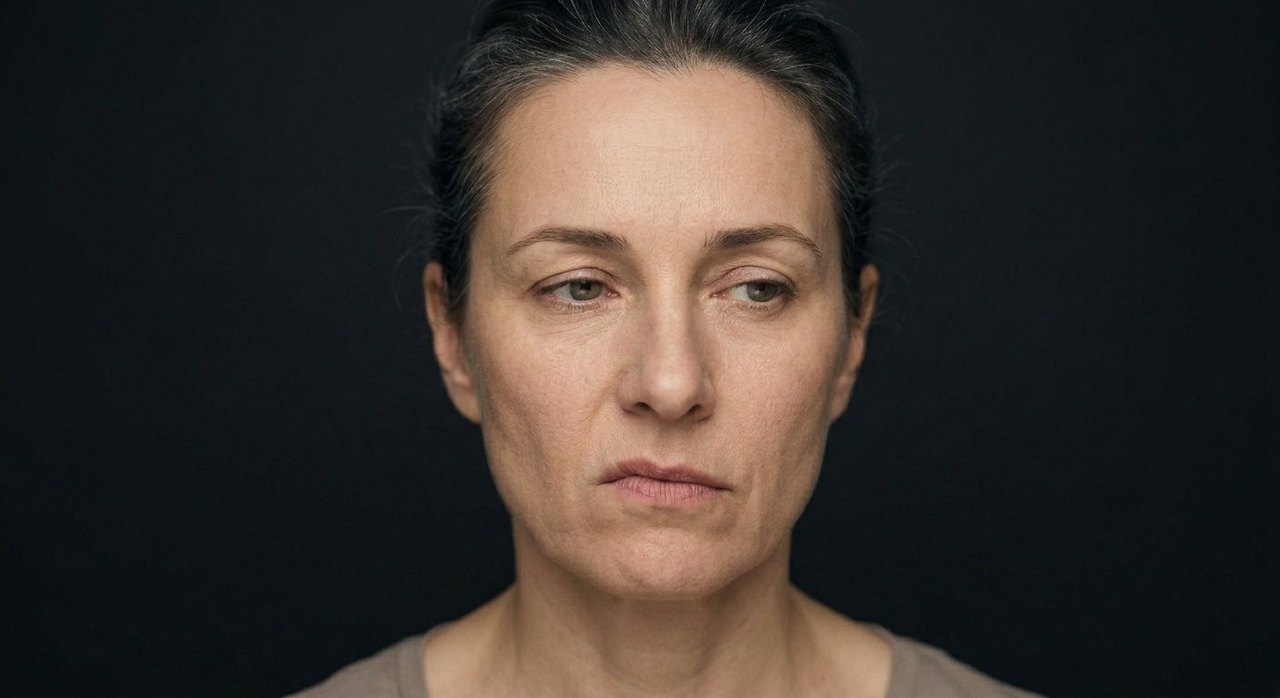
Cynicism
A bitter belief that people act from selfish motives.
Cynicism is a bitter belief that people act from selfish motives. The chest is closed and the watchfulness stays guarded. From inside it often feels like wisdom, with some pride in seeing through things. Yet it carries measurable costs.
Cynicism feels like wisdom. It is a form of laziness.
Cynicism is the stance that people are selfish, systems are broken, and nothing much can be expected of either. It feels sophisticated because it is unshockable. It is, in fact, unearned. Real wisdom has seen the same evidence the cynic has seen and still found reasons to act. Cynicism is a way of protecting yourself from disappointment by refusing to hope. The protection works. The cost is that you become someone whose contribution to any room is reduction. Notice when you are cynical. Ask, is this accurate, or am I just tired? Usually the second. Take a day off. Return with less armour. The world is mostly not what cynicism says it is.
"A cynic is a man who knows the price of everything and the value of nothing."
— Oscar Wilde
Cynicism has a distinctive body signature of guarded watchfulness. The chest is closed, often chronically. The face often holds a slight curl of dismissive expectation. The eyes show particular wariness. The voice often carries dry irony or sustained edge. The body holds itself in a way that suggests sustained low-grade defence: ready to spot the angle, the manipulation, the hidden motive. Over time, this sustained guardedness can produce measurable physical effects similar to those of chronic hostility, including cardiovascular strain. The body that is always watching for the worst pays a real cost over time.
Cynicism has been extensively studied as a dimension of burnout (Maslach, Schaufeli, & Leiter, 2001) and as a personality variable linked to health outcomes. Research on cynical hostility has shown consistent links to cardiovascular disease and mortality, suggesting that the sustained orientation has measurable physical costs. Work-related cynicism is one of three components of burnout in the Maslach Burnout Inventory, alongside exhaustion and reduced personal accomplishment. Modern research has continued to support cynicism as both a meaningful psychological dimension and a significant risk factor for various health and well-being outcomes.

Cynicism develops through specific conditions, often involving accumulated disillusionment without adequate integration. Common patterns include:
Cynicism is workable but often resists work because it feels like wisdom or protection. The following help.
Recognise the costs
Cynicism has measurable costs: links to cardiovascular disease, reduced well-being, damaged relationships, narrower experience of others. Recognising what cynicism is actually costing you, rather than what it claims to be giving you, is often the beginning of motivation to work with it. The wisdom-feeling does not eliminate the costs; both can be present.
Distinguish cynicism from accurate critical thinking
Cynicism often confuses itself with critical thinking. Real critical thinking applies equal scrutiny to all views, including negative ones; cynicism preferentially accepts negative interpretations. Asking yourself whether you would apply the same level of doubt to a positive interpretation as to a negative one often reveals where the orientation is operating.
Examine what cynicism is protecting
Cynicism often serves protective functions: it prevents disappointment by expecting the worst, it provides a sense of being too clever to be fooled, it maintains distance that prevents vulnerability. Examining what specifically your cynicism is protecting often reveals what would need addressing if the cynicism were released.
Reduce content that maintains cynicism
Heavy consumption of content that emphasises negative aspects of human behaviour, hidden motives, and worst-case interpretations reliably maintains and intensifies cynicism. Reducing this consumption substantially is often one of the most effective interventions, particularly for cynicism that has been maintained by content rather than by direct experience.
Seek out evidence of good faith
Cynicism is often maintained by selective attention to evidence of bad motives. Deliberately seeking out and noting evidence of good faith, generosity, and decent motives in your daily life often shifts the orientation over time. The evidence is usually present; cynicism filters it out. Restoring attention to it often produces gradual shift in orientation.
"Cynicism often feels like wisdom from inside. It also has measurable costs: links to cardiovascular disease, reduced well-being, damaged relationships. The wisdom-feeling does not eliminate the costs."
— A summary of research on cynical hostility
What is cynicism?
Cynicism is the bitter belief that people act from selfish motives. The body carries a particular guarded watchfulness. The chest is closed. The face often holds a slight curl of dismissive expectation. There is a quality of having seen through things, often combined with a certain pride in the seeing-through. It is one of the more complicated negative emotional orientations because it often feels like wisdom from inside, even while it tends to produce measurable costs to the person carrying it and to their relationships.
Where do people feel cynicism in the body?
Cynicism has a distinctive signature of guarded watchfulness. The chest is closed, often chronically. The face often holds a slight curl of dismissive expectation. The eyes show particular wariness. The voice often carries dry irony or sustained edge. The body holds itself in a way that suggests sustained low-grade defence: ready to spot the angle, the manipulation, the hidden motive. Over time, this sustained guardedness can produce measurable physical effects similar to those of chronic hostility.
Isn't cynicism just being realistic?
Often no. Realism is the orientation of seeing things accurately, including both good and bad. Cynicism is the orientation of expecting the worst, particularly about others' motives. A realist sees what is actually there. A cynic sees what they expect to see, which often emphasises negative interpretations even when other interpretations are available. The two can look similar in particular cases but the underlying orientations differ significantly. Asking whether you would apply the same level of doubt to a positive interpretation as to a negative one often reveals where the cynical orientation is operating rather than realistic assessment.
Is cynicism bad for your health?
Research on cynical hostility has shown consistent links to cardiovascular disease and mortality, suggesting that the sustained orientation has measurable physical costs. Maslach's research on burnout identified cynicism as one of three core components, alongside exhaustion and reduced accomplishment. The sustained guardedness and hostile expectation maintain the body in low-grade activation that has real costs over time. Many people carry significant cynicism without recognising what it costs them.
How do you stop being cynical?
Several practices help. Recognising the costs (cardiovascular, relational, well-being) often provides motivation. Distinguishing cynicism from accurate critical thinking helps see when the orientation is operating. Examining what cynicism is protecting reveals what would need addressing if released. Reducing consumption of content that emphasises negative human behaviour helps if cynicism has been content-maintained. Deliberately seeking out and noting evidence of good faith and decent motives gradually shifts attention away from cynical filtering. Long-standing or work-related cynicism, particularly when combined with burnout symptoms, often benefits from professional support.
- Maslach, C., Schaufeli, W. B., & Leiter, M. P. (2001). Job burnout. Annual Review of Psychology, 52, 397–422. https://www.annualreviews.org/doi/10.1146/annurev.psych.52.1.397
- Smith, T. W. (1992). Hostility and health: Current status of a psychosomatic hypothesis. Health Psychology, 11(3), 139–150. https://psycnet.apa.org/doi/10.1037/0278-6133.11.3.139
Cynicism sits in the negative family as one of its more sustained and self-protective states. It overlaps with disillusionment as its likely precursor, with bitterness as a closely related sustained orientation, with hostility when the cynicism has actively hostile dimension, and with what positive psychology research treats as the inverse of trust as a character strength.
See where cynicism sits among the other 402 emotions.
Open Cynicism on the wheel