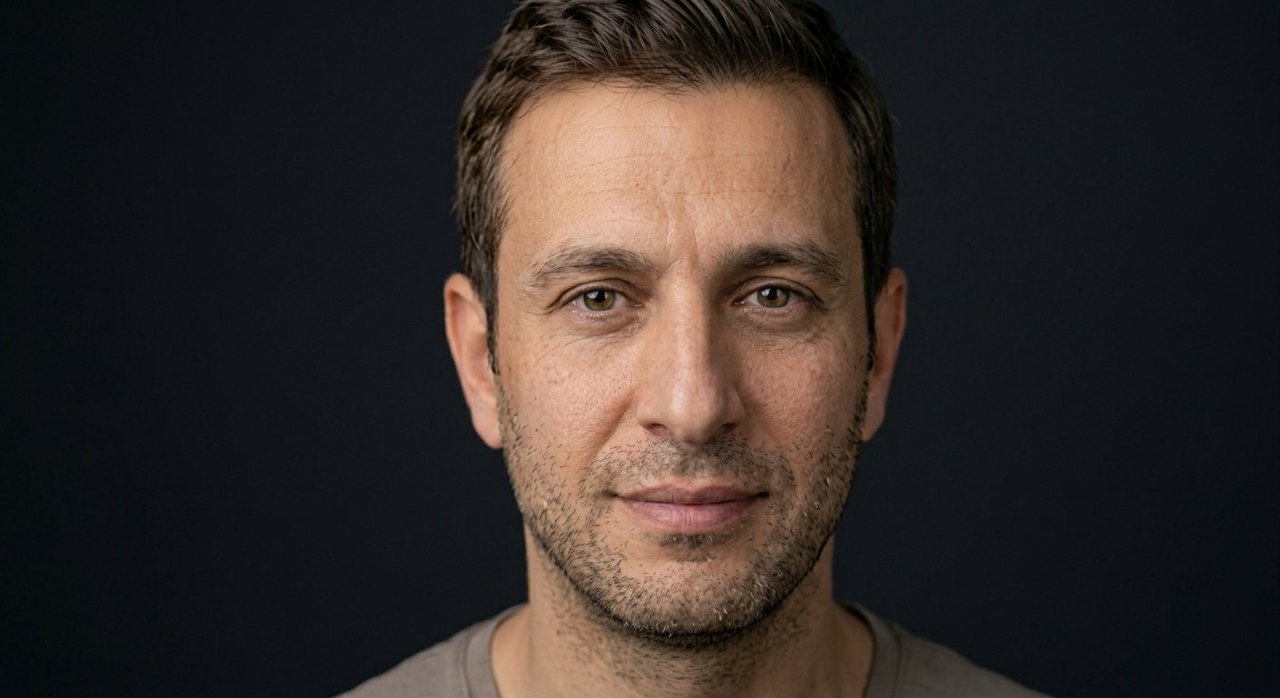
Honour
Dignified pride in your integrity and standing.
Honour is dignified pride in your integrity and standing. The chest carries a grounded weight and the bearing is upright. The pride rests on actual commitments rather than mere reputation. You carry yourself by the standards you have committed to.
Honour is what you do when no one would know
Honour is often mistaken for reputation. They are not the same. Reputation is what others think of you. Honour is what you know about yourself, in private, when you would never be found out. The honourable person does the right thing when there is no audience. They keep commitments to themselves. They do not steal small things just because they could. They return what they borrow. They are a reliable witness to their own behaviour. This is rarer than it should be. Build it in the small. How you treat a cheque you could cash wrongly. How you behave when the receipt is under-billed. Honour is made of these.
"The measure of a man is what he does with power."
— Plato
Honour has a distinctive body signature of grounded dignified bearing. The chest carries grounded weight without arrogance. The breath is full and steady. The face shows particular settled dignified quality. The voice carries particular grounded quality. The body holds itself in a way that suggests sustained integrity: posture upright but not stiff, gestures measured, attention engaged but not anxious. The state can be sustained over years when underlying commitment continues, often becoming part of how a person is recognised by others.
Honour has been engaged with extensively in philosophy, particularly through Kwame Anthony Appiah's work on honour codes and their role in moral revolutions (Appiah, 2010). Appiah examined honour as moral force that has supported significant moral changes including the end of duelling and other practices. Contemporary research has examined related constructs including integrity, character, and what is sometimes called moral identity. Different cultures have substantially different framings of honour, ranging from honour cultures with specific codes to more individualised contemporary forms. The capacity for honour appears widely shared though its specific forms vary substantially.

Honour arises through specific conditions involving sustained integrity and bearing. Common patterns include:
Honour is supported by both character development and engagement with what warrants commitment. The following help.
Develop and maintain integrity consistently
Honour rests on consistent integrity across contexts and through difficulty. Developing this consistency, including in small matters where shortcuts might seem reasonable, supports the broader character that honour reflects. The consistency matters; integrity that exists only when convenient typically does not produce honour.
Commit to what genuinely warrants commitment
Honour develops most reliably around commitments to what genuinely warrants them. Examining what warrants commitment, rather than committing reflexively or to what merely produces social recognition, supports better honour. The genuine commitments provide the substance that honour expresses.
Engage with traditions that have wisdom about it
Various traditions have substantial engagement with honour. Engaging with these traditions when they speak to you provides resources for development that pure individual engagement cannot easily produce. Appiah's analysis of honour codes and their role in moral progress is one example of contemporary engagement with these traditions.
Distinguish from pretentious bearing
Examining whether your honour rests on actual integrity or has become more about bearing without underlying substance supports better practice. Real honour shows up consistently in difficult situations; pretentious bearing typically does not survive testing.
If honour has been damaged
Sometimes honour is damaged through your own failures of integrity, through circumstances that prevented honouring commitments, or through unjust treatment by others. Working with this damage, including making appropriate repair when failures of your own integrity are involved, accepting what cannot be fully repaired, and continuing to commit to integrity going forward, supports rebuilding honour over time. Some honour damage can be repaired; some becomes part of who you are and warrants working with rather than denying.
"Appiah's work on honour codes examined honour as moral force that has supported significant moral changes including the end of duelling and other practices."
— A summary of Appiah's analysis of honour
What is honour?
Honour is dignified pride in your integrity and standing. The body has been organised around sustained orientation toward your own integrity, with quality of pride that is grounded in actual commitments and standing rather than in mere reputation. The chest carries grounded weight. The bearing is upright. There is a quality of operating from sustained commitment to your own integrity, of carrying yourself in way that reflects the standards you have committed to, of being grounded in who you are. Honour specifically refers to dignified pride in your integrity and standing, often combining internal commitment to standards with external bearing that reflects this commitment.
Where do people feel honour in the body?
Honour has a distinctive signature of grounded dignified bearing. The chest carries grounded weight without arrogance. The breath is full and steady. The face shows particular settled dignified quality. The voice carries particular grounded quality. The body holds itself in a way that suggests sustained integrity: posture upright but not stiff, gestures measured, attention engaged but not anxious. The state can be sustained over years when underlying commitment continues, often becoming part of how a person is recognised by others.
How is honour different from reputation?
Reputation is what others think about you. Honour requires actual integrity not just reputation for it. A person can have good reputation without honour (others' positive view without underlying integrity); a person can have honour without specific reputation (actual integrity that may not be publicly recognised). The distinction matters because honour can be maintained even when reputation is unjustly damaged; conversely, reputation alone does not produce honour even when it produces social standing. Real honour rests on actual integrity that shows up consistently; pretentious bearing or maintained reputation without underlying integrity typically fails when tested. This is part of why honour involves both internal commitment and external bearing; the bearing without internal substance is not honour.
Is honour an outdated concept?
It depends on what is meant by honour. Traditional honour codes with specific rigid requirements have largely receded in many contemporary contexts, sometimes for good reasons (some honour codes produced significant harm including duelling, honour killings, and rigid hierarchies). Appiah's work on honour codes has examined this evolution, noting that honour as moral force has continued through revolutions in what it requires. Contemporary honour often involves more individualised integrity than traditional honour codes required: commitment to standards you have chosen, integrity across contexts, dignified bearing grounded in actual character. The basic structure of integrity combined with bearing remains relevant even where specific traditional honour codes have receded. Many contemporary people maintain honour in this sense, with sustained commitment to integrity in their lives and work, even without specific traditional honour code framing.
How do you cultivate honour?
Several practices support development. Developing and maintaining integrity consistently across contexts and through difficulty supports the broader character that honour reflects; consistency matters, since integrity that exists only when convenient typically does not produce honour. Committing to what genuinely warrants commitment supports better honour; examining what warrants commitment rather than committing reflexively, with the genuine commitments providing the substance honour expresses. Engaging with traditions that have wisdom about honour provides resources for development. Distinguishing from pretentious bearing supports better practice; real honour shows up consistently in difficult situations while pretentious bearing typically does not survive testing. When honour has been damaged through your own failures, through circumstances, or through unjust treatment, working with the damage through appropriate repair, acceptance of what cannot be fully repaired, and continued commitment going forward supports rebuilding over time.
- Appiah, K. A. (2010). The Honor Code: How Moral Revolutions Happen. W. W. Norton.
Honour sits in the positive family as one of its more morally and culturally engaged forms. It overlaps with integrity when sustained alignment between values and action is central, with dignity when bearing and worth are emphasised, with pride when positive self-evaluation is the focus, with what Appiah's work has identified as moral force operating through honour codes, and with what cultural traditions across regions have engaged with through specific framings of honour and its requirements.
See where honour sits among the other 402 emotions.
Open Honour on the wheel