Magnanimity
Generous, noble-spirited forgiveness or giving.
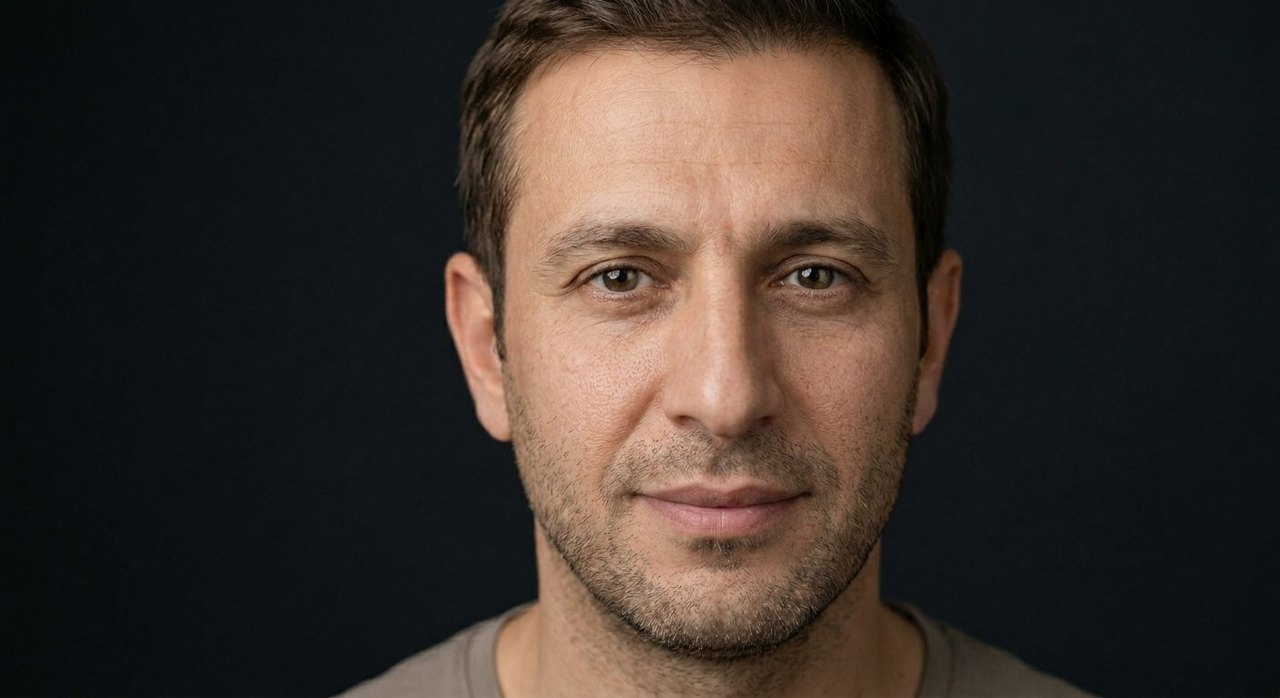
Magnanimity is generous, noble-spirited forgiveness or giving. The chest is full and open, and the face holds calm. You operate from a position of having enough to give. Small slights receive a response larger in spirit than they deserve.
Be larger than the slight
Magnanimity is the choice not to punish when you could. The rival who is down. The person who wronged you and is now seeking forgiveness. The employee who made the expensive mistake. Magnanimity is not weakness. It is strength expressed as restraint. The petty response would be entirely justified. The magnanimous response is unexpected, and therefore more powerful. It changes the story. The person remembers it. Cultures that value magnanimity produce better leaders than cultures that value score-settling. Be one of the people who is bigger than the moment. It costs you little and accumulates into something rare over a life.
"The most exquisite pleasure is giving pleasure to others."
— Jean de La Bruyère
Magnanimity has a distinctive body signature of settled generous breadth. The chest is full and open without strain. The breath is full and easy. The face holds particular calm quality with reduced reactivity to small provocations. The voice carries particular grounded quality. The body holds itself in a way that suggests being settled into character rather than reacting to immediate circumstances; gestures are unhurried, attention can engage with broader concerns rather than immediate threats. The state can be sustained as orientation that affects how many situations are engaged with, often becoming part of how character expresses itself.
Magnanimity has been engaged with most extensively in philosophy, particularly through Aristotle's treatment of it as one of the virtues in the Nicomachean Ethics. Various religious and philosophical traditions have engaged with magnanimity as character quality worth cultivating. In contemporary psychology, related research has examined character strengths, particularly through the work of Peterson and Seligman on character strengths and virtues. The capacity for magnanimity appears to be cultivatable through sustained character development and to be supported by particular life circumstances including security and capacity.

Magnanimity arises through specific conditions involving cultivated character and supportive circumstances. Common patterns include:
Magnanimity benefits from being cultivated through sustained character development rather than direct performance. The following help.
Develop the underlying character qualities
Magnanimity rests on broader character qualities including security, capacity, and orientation toward others. Developing these underlying qualities supports magnanimity more than trying to perform it directly. The underlying development typically takes time but produces sustained capacity rather than performance.
Engage with traditions that have developed wisdom about it
Various religious, philosophical, and cultural traditions have substantial engagement with magnanimity. Engaging with these traditions when they speak to you often supports development that pure individual engagement cannot easily produce. The traditions provide vocabulary, practice, and example.
Distinguish from conflict avoidance
Genuine magnanimity comes from strength used with restraint; conflict avoidance is different. Examining whether your apparent magnanimity reflects genuine character or avoidance of conflict that warrants engagement supports better development. The distinction is often workable when honestly examined.
Build conditions that support sustained generosity
Magnanimity is supported by conditions including security, sufficient resources, freedom from severe stress. Working on these conditions, including ensuring you have enough to give without depletion, supports sustained magnanimity. The conditions matter; trying to be magnanimous from depletion typically does not work.
Allow magnanimity to develop rather than forcing it
Magnanimity cannot be performed into being; attempts to perform it without underlying development typically produce strain or fail when tested. Allowing the qualities that constitute magnanimity to develop through sustained engagement, while recognising that you may not be there yet, supports better development than forcing premature appearance.
"Various philosophical and religious traditions have engaged with magnanimity as character quality worth cultivating, with Aristotle treating it as one of the virtues in his Nicomachean Ethics."
— A summary of philosophical engagement with magnanimity
What is magnanimity?
Magnanimity is generous, noble-spirited forgiveness or giving. The body has been settled into a particular orientation that responds to wrongs and to opportunities for generosity with breadth that exceeds what circumstances strictly require, with quality of being large enough to give what does not need to be given. The chest is full and open. The face holds particular calm quality. There is a quality of operating from a position of having enough to give, of responding to small slights with proportion that does not match them, of being a kind of person whose generosity expresses character rather than calculation. Magnanimity specifically refers to the noble-spirited form that combines generosity with particular breadth.
Where do people feel magnanimity in the body?
Magnanimity has a distinctive signature of settled generous breadth. The chest is full and open without strain. The breath is full and easy. The face holds particular calm quality with reduced reactivity to small provocations. The voice carries particular grounded quality. The body holds itself in a way that suggests being settled into character rather than reacting to immediate circumstances; gestures are unhurried, attention can engage with broader concerns rather than immediate threats. The state can be sustained as orientation that affects how many situations are engaged with, often becoming part of how character expresses itself.
How is magnanimity different from kindness?
Kindness is the broader category of caring response. Magnanimity is the specific noble-spirited form that exceeds what circumstances require. A person can be kind without magnanimity (caring response within normal range). Magnanimity involves the additional dimensions of breadth and generosity that ordinary kindness does not require. Magnanimity often specifically involves forgiveness of wrongs or response to small slights with proportion that does not match them; ordinary kindness operates more within standard expectations. The breadth that magnanimity involves comes from the broader character development that produces it; it is not just a more intense form of kindness but involves additional character dimensions that include security and capacity to give beyond what is required.
Why is magnanimity considered a virtue?
Various philosophical and religious traditions have engaged with magnanimity as character quality worth cultivating, with Aristotle treating it as one of the virtues in his Nicomachean Ethics. The valorisation typically rests on several features: magnanimity expresses largeness of spirit that supports both individual character and broader community; it provides response to wrongs that often serves better than smaller responses; it models generous response that can affect others; it requires substantial character development that integrates multiple capacities. Different traditions emphasise different dimensions, but the convergent valuation across traditions reflects the substantive contribution magnanimity makes to character and to communities where it is present. The cultivation has been treated as both individually beneficial and contributing to broader human flourishing.
How do you become more magnanimous?
Several practices help. Developing the underlying character qualities including security, capacity, and orientation toward others supports magnanimity more than trying to perform it directly; the underlying development typically takes time but produces sustained capacity. Engaging with traditions that have developed wisdom about magnanimity provides vocabulary, practice, and example. Distinguishing from conflict avoidance matters; genuine magnanimity comes from strength used with restraint while conflict avoidance is different. Building conditions that support sustained generosity matters because magnanimity is supported by security and sufficient resources; trying to be magnanimous from depletion typically does not work. Allowing magnanimity to develop rather than forcing it produces better outcomes; attempts to perform it without underlying development typically produce strain or fail when tested.
No source-level citations are stored for this entry yet. The dictionary draws on the broader literature in affective neuroscience, psychology and cross-cultural emotion research. See the About page for the project's wider references.
Magnanimity sits in the positive family as one of its more morally developed forms. It overlaps with generosity as the broader category, with forgiveness when response to wrongs is the focus, with nobility of character when the broader virtue is emphasised, with what Aristotelian virtue ethics has engaged with as one of the cultivatable virtues, and with what religious traditions across regions have engaged with as quality worth developing.
See where magnanimity sits among the other 402 emotions.
Open Magnanimity on the wheel