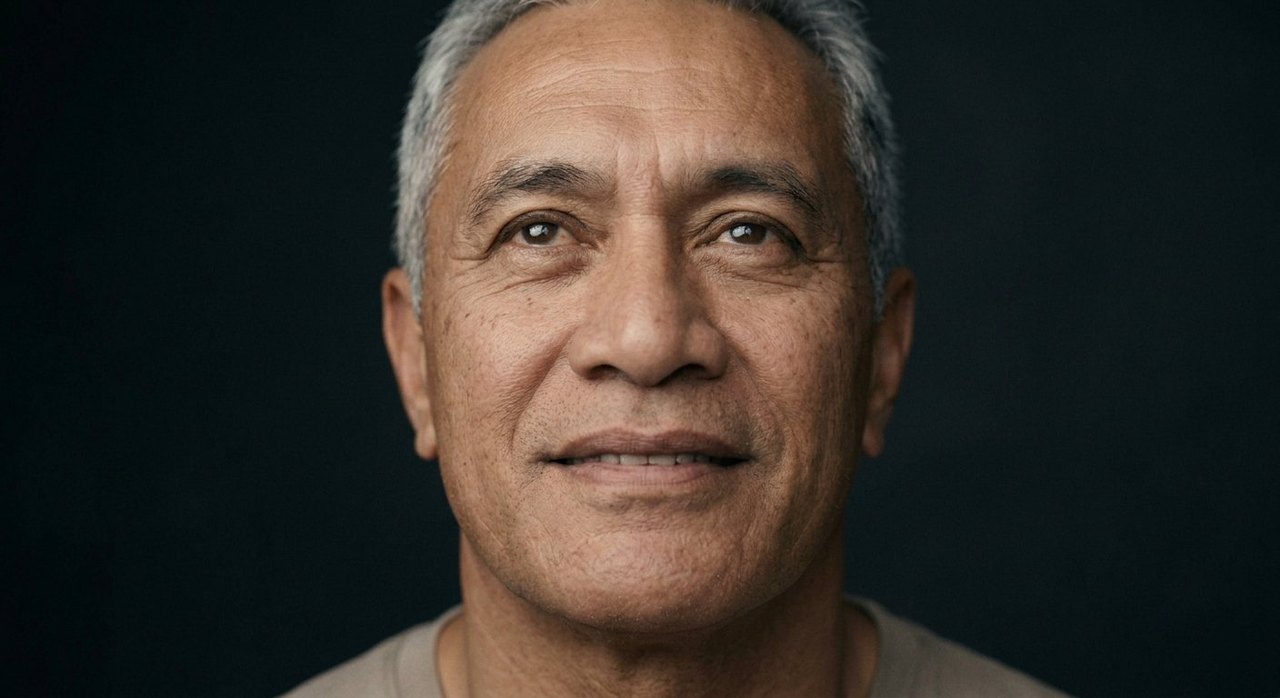
Veneration
Formal, ceremonial respect for what is greater than the self.
Veneration is formal, ceremonial respect for what is greater than the self. The chest is open with sustained respect and the bearing is reverent. The respect exceeds ordinary admiration. You stand before something greater and engage it properly.
Formal respect is still real respect
Veneration is the ritualised form of reverence. The bow. The removed hat. The moment of silence. Modern life has thinned these rituals, and we have lost something in the thinning. Rituals give the body a way to express what words cannot. They give the community a shared form for the important moment. Do not dismiss the old gestures as empty. They are empty only if performed without attention. Performed with attention, they are how ordinary humans enter extraordinary moments. Build a small veneration into your week. A lit candle. A moment of silence before a meal. A gesture towards something larger than you. The soul will notice.
"Ritual is the engine of transformation."
— Martín Prechtel
Veneration has a distinctive body signature of formal respectful bearing. The chest is open with sustained respect. The breath is deep and steady. The bearing is reverent, often with particular postural quality including bowing, kneeling, or other ceremonial bearing. The face shows particular sustained respectful quality. The voice carries particular hushed reverent quality. The body holds itself in a way that suggests standing before what warrants formal respect: posture appropriate to the ceremonial context, attention sustained on what is venerated, gestures often follow ritual forms. The state can be brief response to particular ceremonial moments or sustained orientation in religious or spiritual life.
Veneration has been engaged with extensively across religious traditions, with substantial vocabulary and practice developed around veneration of the sacred, of ancestors, of significant figures, and various other objects of veneration. Various religious traditions specifically cultivate veneration through liturgy, ritual, and other practices. The capacity for veneration appears widely shared across cultures though substantial variation exists in what is venerated and how veneration is expressed.

Veneration arises through specific conditions involving formal respectful engagement. Common patterns include:
Veneration is one of the more substantial existential capacities when authentic. The following help.
Engage with traditions that practise veneration
Various religious and cultural traditions have substantial wisdom about veneration including specific practices, established forms, and broader contexts for veneration. Engagement with these traditions when they speak to you provides resources that pure individual engagement may not provide. The traditions support both the capacity and its expression.
Allow veneration when it arises authentically
Some people resist veneration through patterns including discomfort with formal respect, particular ideological orientations that resist veneration, or cultural patterns that do not include it. Allowing veneration when it arises authentically supports both the experience and broader engagement with what may warrant it.
Distinguish from problematic patterns
Some apparent veneration crosses into problematic patterns including blind worship that disables appropriate critical engagement, sustained submission that does not serve, or various other problematic patterns. Distinguishing healthy veneration from these patterns supports better engagement.
Recognise what genuinely warrants veneration
Veneration directed toward what genuinely warrants it differs from veneration directed toward what does not. Examining what your veneration is directed toward and whether it warrants the formal respect supports better practice. Some objects of veneration genuinely warrant the engagement; others may not.
Engage authentically rather than performatively
Genuine veneration involves felt formal respect rather than performance of veneration. Engaging authentically with what genuinely warrants veneration supports both the experience and the relationship with what is venerated. Performed veneration typically does not provide what authentic veneration offers.
"Religious and ceremonial traditions across cultures have developed substantial vocabulary and practice around veneration of the sacred and of significant figures."
— A summary of religious engagement with veneration
What is veneration?
Veneration is formal, ceremonial respect for what is greater than the self. The body has been organised around sustained respectful orientation toward what is recognised as significantly greater, with quality of formal ceremonial respect that exceeds ordinary admiration. The chest is open with sustained respect. The bearing is reverent. There is a quality of being oriented toward what warrants formal respect, of operating from sense of standing before what is greater than yourself, of engaging with proper ceremonial bearing toward what merits this engagement. Veneration specifically refers to formal ceremonial respect for what is greater than the self.
Where do people feel veneration in the body?
Veneration has a distinctive signature of formal respectful bearing. The chest is open with sustained respect. The breath is deep and steady. The bearing is reverent, often with particular postural quality including bowing, kneeling, or other ceremonial bearing. The face shows particular sustained respectful quality. The voice carries particular hushed reverent quality. The body holds itself in a way that suggests standing before what warrants formal respect: posture appropriate to the ceremonial context, attention sustained on what is venerated, gestures often follow ritual forms. The state can be brief response to particular ceremonial moments or sustained orientation in religious or spiritual life.
How is veneration different from respect?
Respect is the broader category of appropriate regard. Veneration is the specific formal ceremonial form. A person can have respect without veneration (appropriate regard without specific ceremonial dimension). Veneration involves the additional ceremonial dimensions that broader respect does not require. Respect can be expressed through various ordinary engagements; veneration specifically involves formal ceremonial dimension that distinguishes it from ordinary respect. Different traditions provide established forms for veneration including liturgical contexts, ritual occasions, and various ceremonial settings. The distinction matters because the contexts appropriate to each may differ: respect can be expressed in many contexts; veneration is typically appropriate in specific contexts that warrant the formal ceremonial dimension. Both serve well in their appropriate contexts; veneration provides specific form of engagement with what warrants formal respect that ordinary respect does not include.
What kinds of things do people venerate?
Various objects of veneration exist across cultures and traditions. Religious traditions venerate the divine, sacred figures, sacred texts, sacred objects, and various other religious objects. Ancestor veneration is significant feature of various cultural traditions including various East Asian traditions and various indigenous traditions. Significant cultural figures including founders of traditions, important historical figures, or contemporary figures of significant achievement are venerated in various contexts. Natural phenomena including mountains, rivers, specific natural features are venerated in various traditions. Various cultural artifacts including art works, historical objects, ceremonial objects are venerated. The capacity for veneration appears widely shared across cultures though substantial variation exists in what is venerated and how veneration is expressed. The cultural context substantially affects what is recognised as warranting veneration.
How do you experience veneration?
Several approaches support engagement. Engaging with traditions that practise veneration provides substantial resources including specific practices, established forms, and broader contexts; engagement with religious or cultural traditions that speak to you supports both the capacity and its expression. Allowing veneration when it arises authentically supports both the experience and broader engagement; some people resist veneration through discomfort with formal respect or particular ideological orientations that resist it. Distinguishing from problematic patterns supports better engagement; some apparent veneration crosses into blind worship or sustained submission that does not serve. Recognising what genuinely warrants veneration supports better practice; examining what your veneration is directed toward and whether it warrants the formal respect matters. Engaging authentically rather than performatively supports both the experience and the relationship with what is venerated; performed veneration typically does not provide what authentic veneration offers.
No source-level citations are stored for this entry yet. The dictionary draws on the broader literature in affective neuroscience, psychology and cross-cultural emotion research. See the About page for the project's wider references.
Veneration sits in the existential family as one of its more formal forms. It overlaps with reverence as closely related broader state, with worship when religious devotion is central, with awe when overwhelming positive response is involved, with what religious and ceremonial traditions across cultures have developed extensive practice around, and with what various contemplative traditions have identified as significant capacity for engagement with what is recognised as greater than the self.
See where veneration sits among the other 402 emotions.
Open Veneration on the wheel