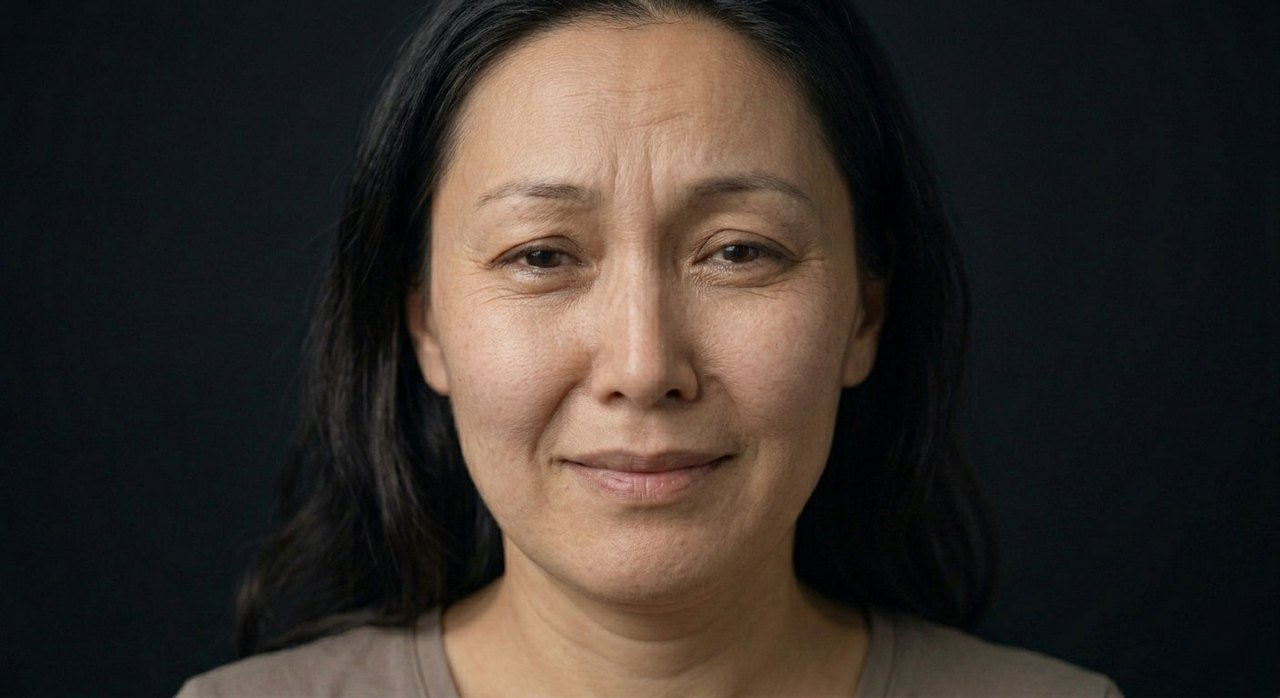
Duende
Spanish: the mysterious power of art to move deeply.
Duende is the mysterious power of art to move deeply. The Spanish word names this force. The chest catches and the breath stops briefly. Something comes through the artist rather than from them. You feel what is performed instead of observing it.
The art that moves you is showing you something true
Duende is a Spanish word, particularly associated with flamenco, for the dark, powerful, spirit-filled quality of art that moves the body as well as the mind. Lorca wrote about it. It is what distinguishes the merely skilful performance from the one that shakes you. Duende cannot be faked. It comes from an artist who has lived through something, and channels it without hiding. When you encounter duende, as audience or creator, pay attention. It is telling you that art, at its best, is not decoration. It is contact with truth. Seek artists who have duende. Aim for it in your own work. The pursuit is difficult. The reward, when it comes, is incomparable.
"The duende does not come unless he sees that death is possible."
— Federico García Lorca
Duende has a distinctive body signature of being struck at depth. The chest catches. The breath briefly stops. The face shows particular caught attention, sometimes with tears. The body holds itself in a way that suggests being completely arrested by what is happening; ordinary attention has been displaced by something more profound. The voice often becomes silent during the experience; words feel inadequate. The state is typically brief but produces sustained effects: a kind of marked moment that continues to operate in memory long after the specific event. Duende experiences are often described as among the most significant aesthetic experiences in a life.
Duende was extensively theorised by the Spanish poet Federico García Lorca, particularly in his 1933 lecture Juego y teoría del duende (Play and Theory of the Duende), which remains the most influential analysis (Lorca, 1933/2010). Lorca distinguished duende from the muse (which gives inspiration from outside) and the angel (which gives grace from above) as the dark spirit that rises from below, requiring the artist to engage with death, struggle, and depth. The concept has been adopted into broader discussions of aesthetic experience while retaining its specific Spanish character.

Duende arises through specific conditions involving art that has reached the depths and audiences capable of receiving it. Common patterns include:
Duende cannot be forced but conditions for it can be supported. The following help.
Seek out art that engages with depth
Some art traditions cultivate duende more than others. Engaging with flamenco, certain forms of jazz, certain poetry, and other traditions that specifically engage with depth often produces more duende experiences than engagement with art that stays in pleasant or technical territory. The choice of what art to encounter shapes what experiences become available.
Be present without immediate analysis
Duende requires presence to what is happening rather than analytical engagement. Audiences who immediately analyse what they are experiencing often interrupt the conditions for duende. Allowing yourself to be present, to be moved, to not understand immediately, often supports the experience better than ordinary attentive observation.
Allow the difficulty
Duende often involves engagement with difficult content: death, struggle, deep emotion. Allowing yourself to engage with this difficulty, rather than seeking only pleasant aesthetic experiences, supports access to duende. The capacity to be moved by difficult art is part of what allows duende; closing yourself off from difficulty closes off duende as well.
Engage with cultural context when possible
Duende has specific cultural roots; engaging with the cultural context that produces it often supports the experience. Learning about flamenco's history, Spanish poetry, the traditions that have cultivated duende, all support better engagement with the specific quality. The cultural context is part of what produces the experience for many people.
Accept that duende cannot be forced
Duende cannot be produced on demand, even when conditions are right. Some performances produce it; some do not. Some audiences experience it; some do not. Accepting that duende is gift rather than achievement supports better engagement with the conditions that make it possible than trying to force the experience. The receptive openness that supports duende is itself something that must be cultivated rather than commanded.
"Lorca distinguished duende from the muse (which gives inspiration from outside) and the angel (which gives grace from above) as the dark spirit that rises from below, requiring engagement with death, struggle, and depth."
— A summary of Lorca's theory of duende
What is duende?
Duende is the Spanish word for the mysterious power of art to move deeply. The body has been moved by something in art, music, dance, or performance that exceeds technique, that has the quality of something coming through the artist rather than from them, that touches depths the ordinary does not reach. The chest catches. The breath stops briefly. There is a quality of being struck by something that art has made present, of feeling rather than just observing what is being performed or experienced. Duende specifically refers to the felt quality of art that has reached the depths, often involving darkness, death, and depth that touch the audience at levels beyond ordinary aesthetic appreciation.
Where do people feel duende in the body?
Duende has a distinctive signature of being struck at depth. The chest catches. The breath briefly stops. The face shows particular caught attention, sometimes with tears. The body holds itself in a way that suggests being completely arrested by what is happening; ordinary attention has been displaced by something more profound. The voice often becomes silent during the experience; words feel inadequate. The state is typically brief but produces sustained effects: a kind of marked moment that continues to operate in memory long after the specific event. Duende experiences are often described as among the most significant aesthetic experiences in a life.
Where does the concept of duende come from?
Duende was extensively theorised by the Spanish poet Federico García Lorca, particularly in his 1933 lecture Juego y teoría del duende (Play and Theory of the Duende), which remains the most influential analysis. Lorca distinguished duende from the muse (which gives inspiration from outside) and the angel (which gives grace from above) as the dark spirit that rises from below, requiring the artist to engage with death, struggle, and depth. The concept has roots in Spanish, particularly Andalusian, traditions of art and performance, especially flamenco. The concept has been adopted into broader discussions of aesthetic experience while retaining its specific Spanish character.
How is duende different from talent or passion?
Talent is the artist's skill or capacity. Passion is intensity of feeling. Duende is the specific quality that some art has of reaching the depths. Highly talented artists may produce art without duende; less technically skilled performers can produce work with duende. A passionate performance may lack duende; a more restrained performance can have profound duende. The distinction matters because duende is not produced by technical skill or pure intensity alone; it requires the engagement with depth that Lorca described as engagement with death and struggle. The relationship between these qualities is complex; duende may involve aspects of talent and passion but cannot be reduced to either.
How do you experience duende?
Duende cannot be forced but conditions for it can be supported. Seeking out art that engages with depth, including flamenco, certain forms of jazz, certain poetry, and other traditions that specifically engage with depth, often produces more duende experiences than engagement with art that stays in pleasant territory. Being present without immediate analysis supports the experience; audiences who immediately analyse what they are experiencing often interrupt the conditions for duende. Allowing the difficulty, since duende often involves engagement with difficult content, supports access; the capacity to be moved by difficult art is part of what allows duende. Engaging with cultural context when possible supports better engagement. Accepting that duende cannot be forced supports better engagement with the conditions that make it possible than trying to force the experience.
- García Lorca, F. (2010). In Search of Duende (C. Maurer, Ed. & Trans.). New Directions. (Original lecture 1933)
Duende sits in the untranslatable family as one of its more aesthetically developed concepts. It overlaps with awe when transcendent qualities are involved, with rapture when intense aesthetic response is central, with what Lorca's theory positioned as distinct from muse-inspired and angel-graced art, with what cultural traditions across the world have engaged with under different names, and with what aesthetic philosophy has explored as the experience of being moved by art at the deepest levels.
See where duende sits among the other 402 emotions.
Open Duende on the wheel