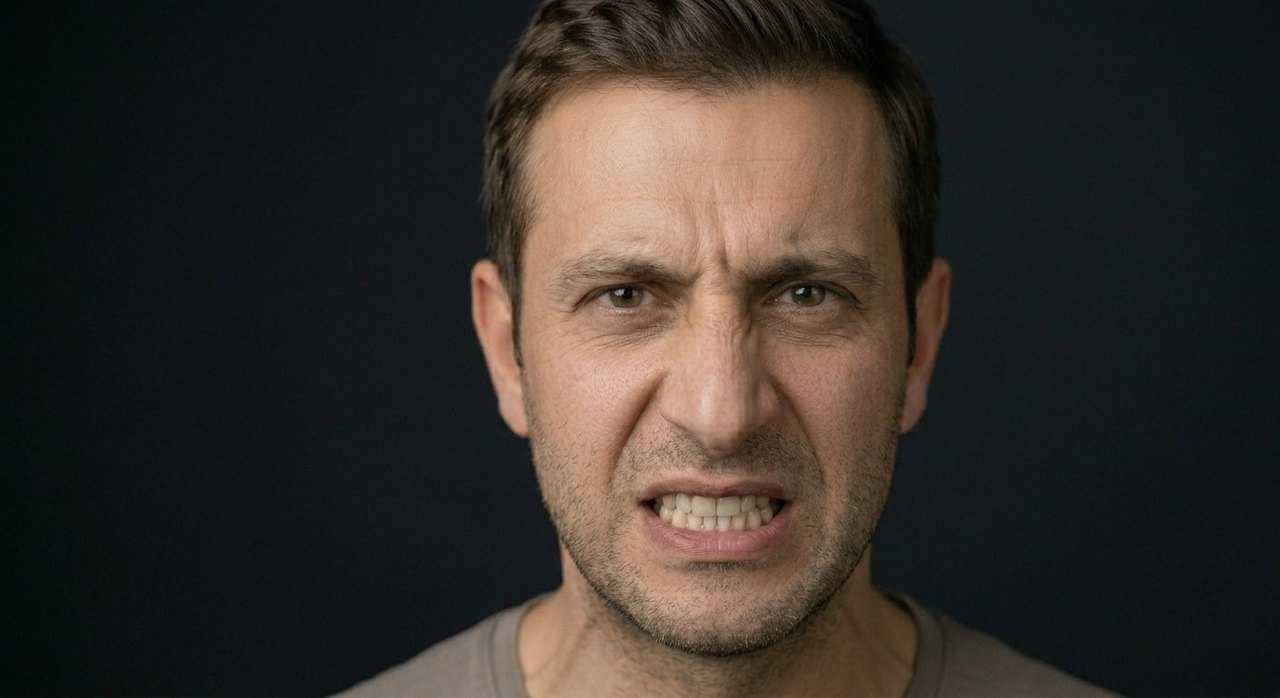
Courage
Acting despite fear. The fear is there, but so are you.
Courage is acting despite fear. The fear is there, but so are you. The chest may be tight and the legs may shake. The action happens anyway. It is not fearlessness. It is deliberate movement forward while afraid.
Courage is not the absence of fear. It is movement with it.
The brave person is not the one who feels no fear. That is a different thing. That is numbness, or recklessness, or ignorance of the stakes. The brave person feels the fear accurately, weighs the cost, and acts anyway. This is why courage is more impressive than fearlessness. It has cost the person something to be there. You are capable of this. You have done it before, more times than you remember. The next act of courage is probably smaller than you think. The hard phone call. The truth said out loud. The first step into the room. Take it. The fear will not kill you. The regret of not taking it might follow you for years.
"Courage is resistance to fear, mastery of fear, not absence of fear."
— Mark Twain
Courage has a distinctive body signature that includes both fear and deliberate action. The body holds the activation of fear: rapid heart, shallow breath, tight muscles, sometimes shaking. Alongside this, there is a particular deliberate quality of choosing to act regardless. The face often shows determination through the fear. The voice may shake but the words continue. The body is moving forward into what frightens it. This combination of fear and deliberate action is what produces the distinctive feel of courage.
Courage has been studied in positive psychology as one of the core character strengths in the Values in Action (VIA) framework (Peterson & Seligman, 2004). Research has identified courage as multidimensional, including physical courage (acting despite physical danger), moral courage (acting on principle despite social cost), and what is sometimes called vital courage (continuing in the face of illness, despair, or other internal difficulty). Studies have linked courage to specific neurobiological patterns: the prefrontal cortex appears to be involved in overriding the amygdala-driven fear response, allowing action despite fear (Nili et al., 2010).

Courage arises in specific conditions where action is needed despite fear. Common patterns include:
Courage is more cultivatable than often recognised. The following practices help.
Recognise that courage requires fear
Many people wait to act until they feel unafraid, which often means never acting. Understanding that courage specifically requires acting while afraid, that the fear will not necessarily disappear before the action, often allows people to act sooner. The fear is part of courage, not its absence.
Take small courage actions regularly
Courage develops through practice. Taking small actions that require courage (difficult conversations, choices that involve some social risk, actions you have been avoiding) builds the capacity over time. Waiting to develop courage only for major occasions usually does not work; the capacity has to be developed through ongoing practice.
Get clear on what matters to you
Courage requires that something matters more than the fear. People with clear values find courage more accessible because the something else is present and identified. People without clear values often find courage harder because the question of what should outweigh the fear has not been settled.
Find courage in community
Acting with others who are also choosing courage often makes individual courage easier. Movements for social change, communities of people facing similar challenges, and groups committed to particular values all support individual courage in ways that solo effort does not. The cultural support for courageous action matters significantly.
If courage feels permanently inaccessible
Sustained inability to act despite fear, particularly when this involves avoiding important things, can sometimes reflect anxiety disorders, trauma effects, or other treatable conditions that have made the fear response disproportionate or rigid. The capacity for courage is widely shared, and professional support can help when underlying conditions are blocking access.
"Courage is not the absence of fear. It is the judgment that something else is more important than fear. Fearlessness requires nothing; courage requires the deliberate choice to act despite fear."
— A theme that recurs in research on courage
What is courage?
Courage is acting despite fear. The fear is there; the action happens anyway. The body holds both the activation of fear and the deliberate movement forward. It is one of the most universally valued character traits across cultures and times, and one of the most often misunderstood because it is regularly confused with the absence of fear rather than action despite fear. Research has identified multiple forms: physical courage (acting despite physical danger), moral courage (acting on principle despite social cost), and what is sometimes called vital courage (continuing in the face of illness, despair, or other internal difficulty).
Where do people feel courage in the body?
Courage has a distinctive signature that includes both fear and deliberate action. The body holds the activation of fear: rapid heart, shallow breath, tight muscles, sometimes shaking. Alongside this, there is a particular deliberate quality of choosing to act regardless. The face often shows determination through the fear. The voice may shake but the words continue. The body is moving forward into what frightens it. This combination of fear and deliberate action is what produces the distinctive feel of courage.
What is the difference between courage and fearlessness?
Fearlessness is the absence of fear, which is different from courage and often less admirable because it requires less. A person without fear who acts dangerously is taking risks without facing fear. A person with fear who acts anyway is choosing to act despite the fear. The latter is courage; the former is closer to recklessness or simple absence of normal fear response. Genuine courage requires the presence of fear. This distinction matters because many people wait to feel fearless before acting, which often means waiting forever.
Can you develop courage?
Yes. Courage develops through practice. Taking small actions that require courage (difficult conversations, choices that involve some social risk, actions you have been avoiding) builds the capacity over time. Getting clear on what matters to you helps, because courage requires that something matters more than the fear. Finding courage in community often makes individual courage easier; acting with others who are also choosing courage supports the capacity in ways that solo effort does not. Waiting to develop courage only for major occasions usually does not work; ongoing practice is what builds it.
Why am I never courageous?
Often because of conditions rather than character. Some causes are addressable: lack of clarity about what matters, lack of community support for courageous action, lack of practice with smaller courage actions. Some are clinical: sustained inability to act despite fear, particularly when this involves avoiding important things, can reflect anxiety disorders, trauma effects, or other treatable conditions that have made the fear response disproportionate or rigid. The capacity for courage is widely shared; persistent inability to access it usually points at conditions that can be addressed rather than at character flaw.
- Peterson, C., & Seligman, M. E. P. (2004). Character Strengths and Virtues: A Handbook and Classification. Oxford University Press / American Psychological Association.
- Nili, U., Goldberg, H., Weizman, A., & Dudai, Y. (2010). Fear thou not: Activity of frontal and temporal circuits in moments of real-life courage. Neuron, 66(6), 949–962. https://www.cell.com/neuron/fulltext/S0896-6273(10)00405-8
- Pury, C. L. S., & Lopez, S. J. (Eds.). (2010). The Psychology of Courage: Modern Research on an Ancient Virtue. American Psychological Association.
Courage sits in the positive family as one of its most studied character strengths. It overlaps with determination when sustained effort is required, with integrity when the courage is moral rather than physical, and with what positive psychology research identifies as one of the core virtues across cultural traditions.
See where courage sits among the other 402 emotions.
Open Courage on the wheel