Solitude
Peaceful, chosen aloneness. Not lonely, just alone.
Solitude is peaceful, chosen aloneness. Not lonely, just alone. No connection is being sought, so there is no scanning for it. The mind has room to spread out without managing others. Creativity, self-knowledge, and depth grow here.
Being alone is a practice, not a punishment
Solitude is chosen aloneness. It is different from loneliness, which is unchosen. The person who has built a good relationship with solitude is at a tremendous advantage. They can enjoy their own company. They can think clearly. They can return to other people refreshed rather than needy. Build solitude into your week deliberately. A walk alone. A meal alone. An evening alone. Resist the reflex to fill every silence with input. The hours you spend alone, well, are the hours where you come back to yourself. The relationships with others are stronger because of the time away from them. Solitude is a technology for being a complete person.
"The best thinking has been done in solitude."
— Thomas Edison
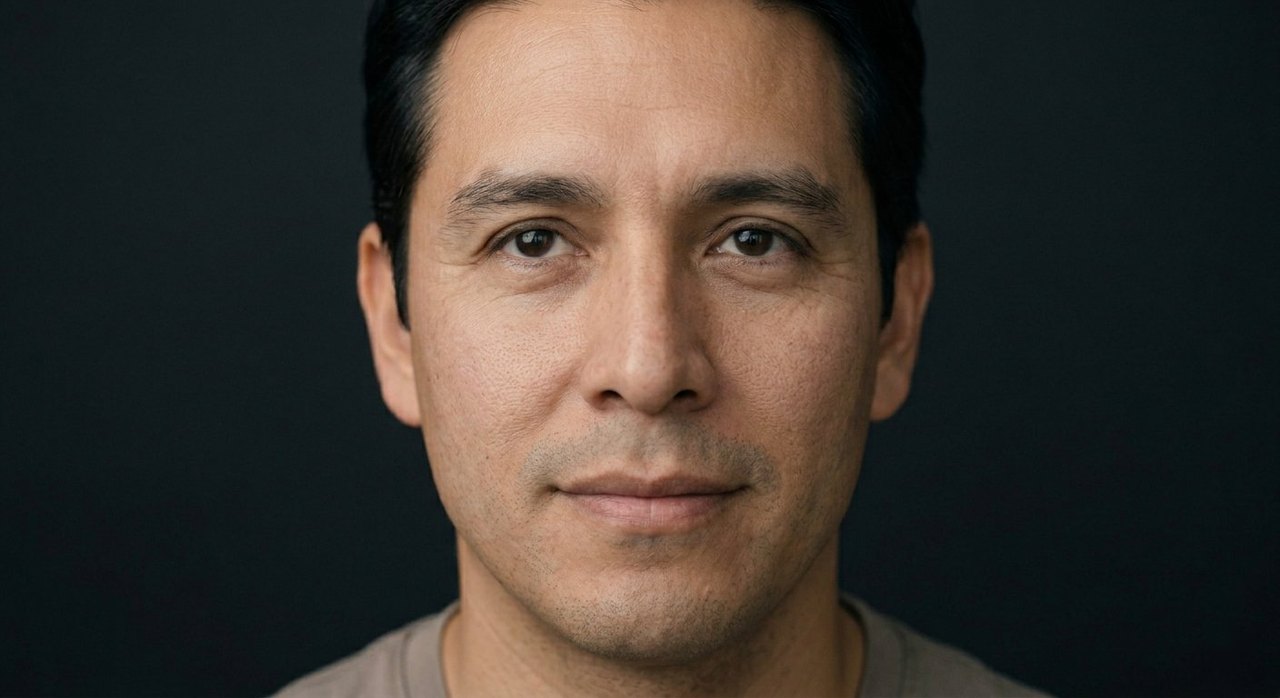
Solitude has a distinctive settled body signature. The body relaxes into a state that does not require social management. The chest opens without needing to defend or perform. The face is unmonitored. There is a quality of being able to take up space without negotiation. The mind has room to wander, to settle, to think without needing to maintain conversation. The body has settled into being with itself rather than with others. This is different from loneliness, which has felt absence; solitude has the presence of self.
Research on solitude has shifted significantly in recent decades. Earlier views often pathologised time alone as social deficit. More recent research has identified solitude as having distinct benefits separate from social contact, including creativity, self-knowledge, emotional regulation, and what some researchers call self-restoration (Long & Averill, 2003). Research has begun to distinguish capacity for solitude (a positive psychological skill) from preference for being alone driven by social anxiety or avoidance, which has different psychological implications.

Solitude arises through deliberate choice and developed capacity. Common patterns include:
Solitude is one of the more cultivatable positive states when its conditions are understood. The following help.
Build it into the architecture of your life
Solitude rarely happens accidentally in modern conditions. Building time alone into the structure of your days and weeks (specific times, specific contexts, with clear protection from interruption) is usually necessary for solitude to be reliable. People who wait for solitude to happen typically do not get much; people who build it in get the benefits.
Resist constant input
Modern life provides nearly continuous input through screens, music, podcasts, conversation. True solitude often requires reducing this input substantially, at least sometimes. Walks without headphones, time without media, meals in silence. The capacity to be with yourself without input is what solitude actually involves; constant input is something different even when alone.
Develop comfort with your own company
If being alone feels uncomfortable, the capacity needs developing rather than the discomfort being treated as evidence that you should not be alone. Brief periods of unstimulated alone time, increased gradually, often build the capacity over weeks. The discomfort usually decreases as familiarity with your own presence increases.
Distinguish solitude from avoidance
Honest examination of whether your time alone is restorative solitude or avoidant escape from social contact you fear sometimes reveals important information. Both involve being alone, but they have different effects and different underlying causes. Avoidance-driven aloneness usually warrants attention beyond just allowing it.
If you cannot tolerate any solitude
Sustained inability to be alone, particularly with significant distress at even brief periods of solitude, sometimes signals attachment patterns, anxiety, or other conditions that warrant attention. The capacity for solitude is one of the markers of psychological maturity in many frameworks. Persistent inability to develop it usually responds to therapeutic work focused on the underlying patterns.
"The capacity for solitude is one of the underrated psychological skills of modern life. Without it, time alone becomes painful loneliness rather than restorative aloneness."
— A theme that recurs in research on solitude
What is solitude?
Solitude is peaceful, chosen aloneness. Not lonely, just alone. The body settles into a particular quality of being with itself. There is no scanning for connection because no connection is being sought right now. The mind has room to spread out without needing to manage the presence of others. It is one of the most underrated positive states in modern life because the conditions of contemporary social existence often prevent its development, with significant costs to creativity, self-knowledge, and psychological depth.
Where do people feel solitude in the body?
Solitude has a distinctive settled signature. The body relaxes into a state that does not require social management. The chest opens without needing to defend or perform. The face is unmonitored. There is a quality of being able to take up space without negotiation. The mind has room to wander, to settle, to think without needing to maintain conversation. The body has settled into being with itself rather than with others. This is different from loneliness, which has felt absence; solitude has the presence of self.
What is the difference between solitude and loneliness?
Loneliness is the painful felt absence of meaningful connection. Solitude is the peaceful chosen aloneness that does not feel like absence because no connection is being sought. The same external situation (being alone) can produce loneliness in one person and solitude in another, or in the same person at different times. The internal experience is what determines which it is. Loneliness feels bad; solitude feels good. The body experiences differ significantly. Capacity to experience aloneness as solitude rather than as loneliness is a developed psychological skill.
Is wanting solitude antisocial?
No. The cultural framing of solitude as antisocial often misidentifies what is happening. People with strong capacity for solitude are not antisocial; they are people who have developed the ability to be productively alone, which most psychological research treats as a strength rather than a deficit. The cultural pressure toward constant connection often pathologises healthy solitude. People with capacity for solitude often have rich social lives alongside their solitude; the two are complementary rather than mutually exclusive.
How do you develop the capacity for solitude?
Through experience. Spending time alone in low-stakes situations, learning that nothing terrible happens when you are not stimulated by external input, becoming familiar with your own thoughts and presence. People who have not developed this capacity often find solitude uncomfortable rather than restorative; the discomfort usually decreases as familiarity with your own presence increases. Building solitude into the architecture of your life (specific times, contexts, with clear protection from interruption) is usually necessary for sustained development. Reducing constant input from screens and media is often essential because true solitude involves being with yourself without that input.
- Long, C. R., & Averill, J. R. (2003). Solitude: An exploration of benefits of being alone. Journal for the Theory of Social Behaviour, 33(1), 21–44. https://onlinelibrary.wiley.com/doi/10.1111/1468-5914.00204
- Storr, A. (1988). Solitude: A Return to the Self. Free Press.
Solitude sits in the mixed family as one of its more valuable positive states. It overlaps with serenity when the alone time has particular tranquillity, with introversion as the temperamental disposition that often supports it, and with what contemplative traditions across cultures have identified as essential for inner development.
See where solitude sits among the other 402 emotions.
Open Solitude on the wheel