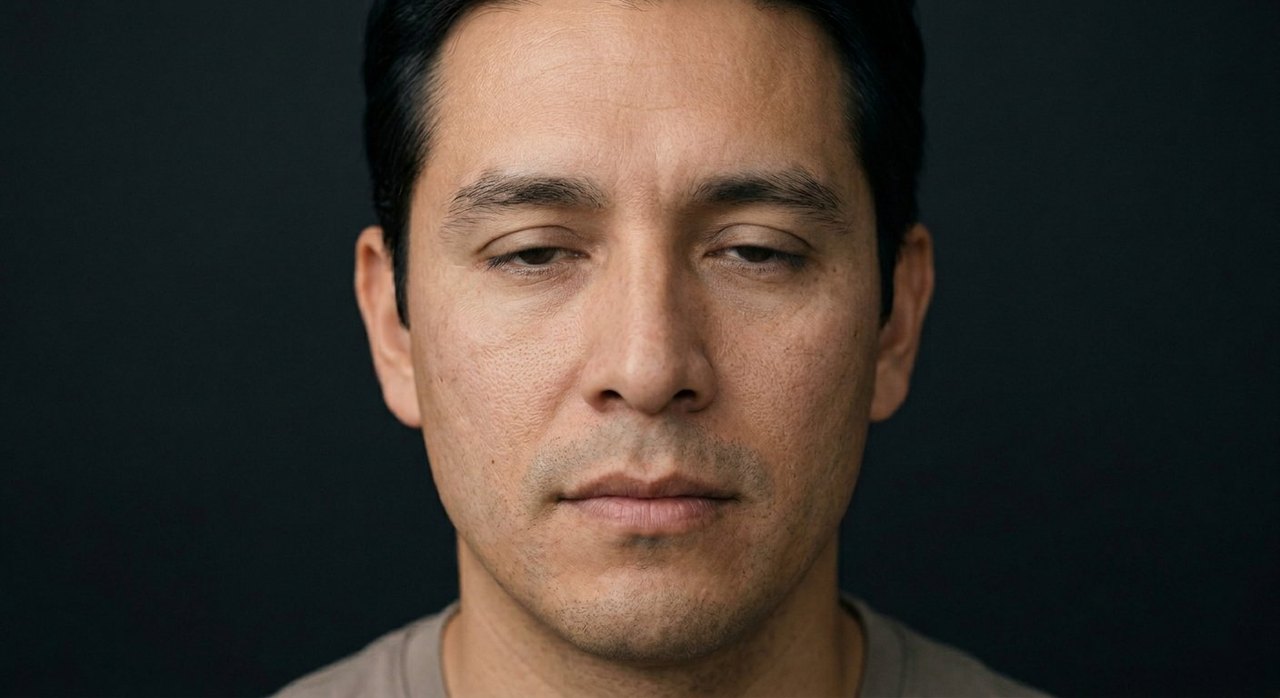
Nonchalance
Casual, unbothered ease. Nothing fazes you.
Nonchalance is casual, unbothered ease. Nothing fazes you. The chest is loose and the face shows unconcerned attention. Events that pull others into reaction do not pull you. You meet what happens with sustained ease, above the fray.
Real nonchalance is secretly cultivated
Nonchalance is the casual, unbothered ease in situations that would bother most people. The person who walks into the job interview unhurried. The person who does not check their phone during dinner. The person who is late and does not apologise excessively. Real nonchalance is not indifference. It is trained composure that looks like natural ease. You can cultivate it. Practise slowing down by ten per cent in situations that make you anxious. Speak slightly slower. Move slightly slower. Notice that the world continues to function. The anxiety was recommending speed that the situation did not actually require. Nonchalance is earned calm that appears unearned.
"Never let them see you sweat."
— American advertising slogan
Nonchalance has a distinctive body signature of relaxed disengagement. The chest is loose without active engagement. The face shows mild amusement or unconcerned attention. The voice often carries particular casual quality. The body holds itself in a way that suggests ease, sometimes with relaxed posture, slight slouch, casual gestures. Movements are unhurried. The state can be brief or sustained; sustained nonchalance can become orientation rather than state, with characteristic patterns of engaging with life that maintain ease even in situations that would activate others.
Nonchalance has been studied less directly than some emotions but appears in research on emotion regulation, equanimity, and what some researchers call dispositional positive affect. Research on equanimity in contemplative traditions has documented states resembling authentic nonchalance, with measurable effects including reduced stress reactivity and improved well-being. Research on performed emotional states, including suppressing reactions to maintain appearance of nonchalance, has shown that performed equanimity without underlying ease produces different effects from authentic equanimity, including cognitive load and sometimes physiological strain.

Nonchalance arises through specific conditions involving relaxed engagement with potentially activating situations. Common patterns include:
Nonchalance benefits from being distinguished between authentic and performed forms. The following help.
Distinguish authentic from performed nonchalance
Authentic nonchalance is felt internally; performed nonchalance involves work to maintain. Examining what you actually feel beneath the nonchalance, distinct from what you are presenting, often clarifies which is operating. The distinction matters because authentic nonchalance supports well-being while performed nonchalance often produces costs.
Allow what is actually present
When nonchalance is performed to suppress actual feelings, the suppressed feelings often produce difficulty over time. Allowing yourself to feel what is actually present, including reactions that the nonchalance is covering, often supports better engagement than sustained performance. The nonchalance can remain as presentation while the actual feelings are acknowledged internally.
Build genuine ease through capacity development
Some nonchalance develops through actual capacity for the situations that previously activated you. Building skills, perspective, and experience that produces genuine ease often produces more sustainable nonchalance than performance. The development takes time but produces lasting capacity.
Notice when nonchalance damages engagement
Performed nonchalance can damage relationships by maintaining distance from what others are experiencing or by failing to engage with situations that warrant engagement. Noticing when your nonchalance is producing these effects supports recognising when other responses would serve better. Nonchalance is not always the right response; sometimes engaged response is appropriate.
If sustained performed nonchalance has produced patterns
Sustained performance of nonchalance, often as defence against vulnerability, can produce particular kinds of difficulty including disconnection from your own feelings, damage to close relationships, and limited capacity for engagement when situations warrant it. Therapy can help work with these patterns, often by supporting access to feelings that nonchalance has been suppressing.
"Research on equanimity has documented states resembling authentic nonchalance with measurable effects including reduced stress reactivity and improved well-being. Performed equanimity without underlying ease produces different effects."
— A theme in research on equanimity and emotion regulation
What is nonchalance?
Nonchalance is casual, unbothered ease. Nothing fazes you. The body has settled into a particular kind of relaxed engagement that does not produce strong response even to events that might warrant it. The chest is loose. The face shows mild amusement or unconcerned attention. There is a quality of being above the fray, of not being pulled into reactions that others are having, of meeting events with sustained ease. Nonchalance specifically refers to casual unbothered ease in contexts where stronger response might be expected, often with quality of being unimpressed or unmoved by what is happening. The casual-ease quality is essential.
Where do people feel nonchalance in the body?
Nonchalance has a distinctive signature of relaxed disengagement. The chest is loose without active engagement. The face shows mild amusement or unconcerned attention. The voice often carries particular casual quality. The body holds itself in a way that suggests ease, sometimes with relaxed posture, slight slouch, casual gestures. Movements are unhurried. The state can be brief or sustained; sustained nonchalance can become orientation rather than state, with characteristic patterns of engaging with life that maintain ease even in situations that would activate others.
Is nonchalance authentic or performed?
Both forms exist and produce different effects. Authentic nonchalance reflects genuine ease, often developed through experience, cultivated equanimity, or particular life circumstances that produce sustained calm engagement with potentially activating situations. Performed nonchalance involves actively maintaining appearance of ease while internal experience is different, often as defence against vulnerability or to maintain particular cultural style. Research on emotion regulation has shown that suppressing reactions to maintain appearance of nonchalance produces different effects from authentic equanimity, including cognitive load and sometimes physiological strain. The distinction matters because authentic nonchalance supports well-being while performed nonchalance often produces costs over time including disconnection from your own feelings and damage to close relationships.
How is nonchalance different from indifference?
Indifference involves lack of caring about outcomes. Nonchalance can include caring while not being agitated about it. A person can be nonchalant without indifference (caring about outcomes while maintaining casual ease). The distinction matters because indifference often disengages from situations that warrant engagement; nonchalance can maintain engagement without agitation. Authentic nonchalance often involves capacity to be at ease with outcomes you care about, which is different from not caring about them. Some patterns labelled as indifference are actually defensive nonchalance protecting against showing care; some patterns labelled as nonchalance are actually genuine indifference. Distinguishing what is operating supports better understanding.
How do you develop genuine nonchalance?
Several practices support genuine development. Distinguishing authentic from performed nonchalance helps; authentic nonchalance is felt internally while performed nonchalance involves work to maintain. Allowing what is actually present, including reactions that nonchalance might be covering, supports better engagement than sustained performance. Building genuine ease through capacity development, including skills, perspective, and experience that produces genuine ease in situations that previously activated you, supports sustainable nonchalance. Some nonchalance reflects cultivated equanimity through contemplative practice, therapy, or sustained inner work; the capacity to remain at ease in potentially activating situations is partly cultivatable. When sustained performed nonchalance has produced patterns including disconnection from your own feelings or damage to relationships, therapy can help by supporting access to feelings that nonchalance has been suppressing.
No source-level citations are stored for this entry yet. The dictionary draws on the broader literature in affective neuroscience, psychology and cross-cultural emotion research. See the About page for the project's wider references.
Nonchalance sits in the mixed family because of its complex structure as either authentic equanimity or performed indifference. It overlaps with equanimity when authentic contemplative ease is involved, with indifference when caring is absent, with cool detachment when style and distance are prominent, with what emotion regulation research has identified as the difference between reappraisal and suppression strategies, and with what cultural traditions across many regions have engaged with as one of the modes of presenting self.
See where nonchalance sits among the other 402 emotions.
Open Nonchalance on the wheel