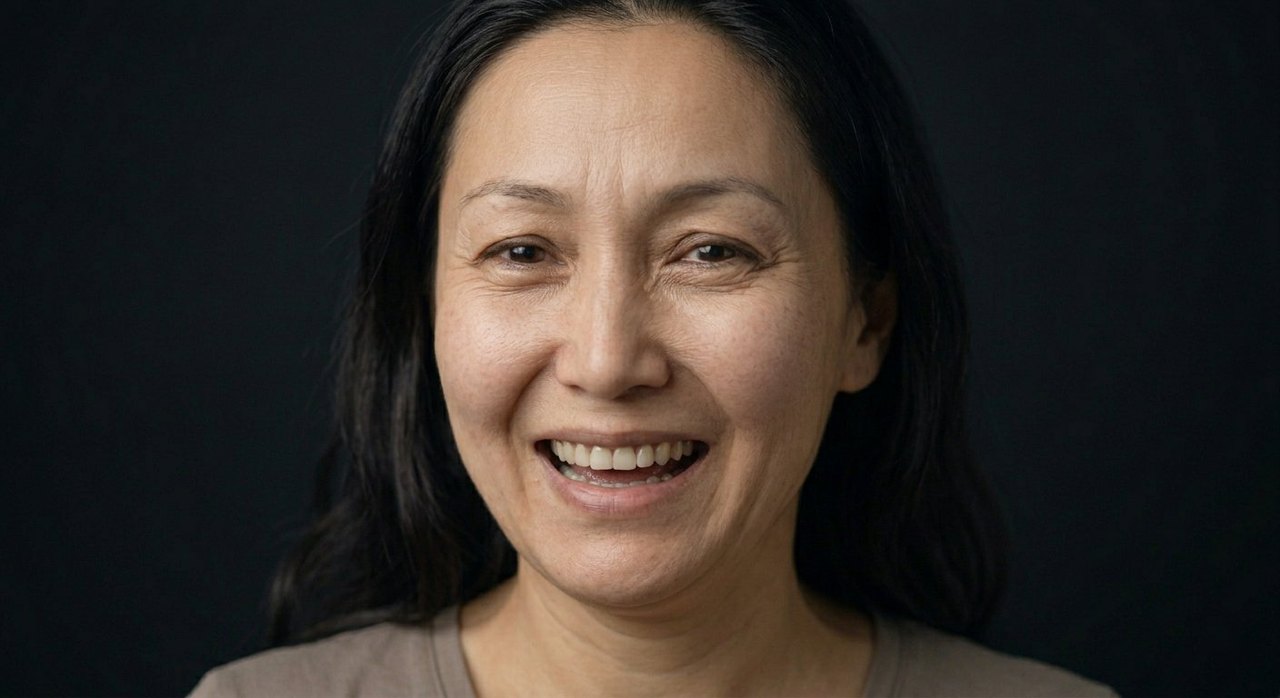
Joie de vivre
French: exuberant enjoyment of life.
Joie de vivre is exuberant enjoyment of life. The French phrase names this sustained orientation. The chest is open and the face carries a ready smile. Life feels worth living in the act of living it. Energy flows easily into ordinary experience.
The enthusiasm for life is a contagious discipline
Joie de vivre is the French phrase for a cheerful enjoyment of life. Not peak happiness. Something steadier. The person with joie de vivre finds the ordinary day worth enjoying. They eat properly. They laugh easily. They take pleasure in small things. This is partly disposition and largely practice. You can build it. Choose small pleasures daily. The good coffee. The walk to the bookshop. The phone call to the friend. These are not luxuries. They are how joie de vivre is manufactured in a life. Over months, the baseline rises. You become someone whose presence lightens a room. Other people come toward you. The effect compounds.
"I think life is just one long celebration."
— Jeanne Moreau
Joie de vivre has a distinctive body signature of sustained vital engagement. The chest is open and ready. The breath is full. The face carries ready smile, often arising spontaneously in ordinary moments. The voice often has particular animated quality. The body holds itself in a way that suggests active engagement with life; movements are typically energetic and purposeful. There is a particular kind of appetite for experience: for food, for conversation, for activities, for what comes next. The state can be sustained over years when conditions support it, becoming the felt baseline of how life is experienced rather than a state that comes and goes.
Joie de vivre has been studied less directly as a discrete emotion than as related to research on positive affect, flourishing, and what some researchers call eudaimonic well-being. Research on flourishing, particularly Seligman's PERMA model identifying positive emotion, engagement, relationships, meaning, and accomplishment as foundations of well-being, captures elements of what joie de vivre involves (Seligman, 2011). The capacity for sustained vital engagement with life appears to be partly individual and substantially shaped by cultural and lifestyle conditions.

Joie de vivre arises through specific conditions involving capacity for sustained vital engagement. Common patterns include:
Joie de vivre is one of the more cultivatable orientations when conditions support it. The following help.
Build daily contact with what nourishes you
Joie de vivre is supported by regular contact with what nourishes you: food, beauty, relationships, meaningful work, physical activity. Building these into daily life rather than treating them as occasional luxuries supports sustained vital engagement. The French tradition that produced the phrase often emphasises these ordinary nourishments.
Slow down enough to engage
Joie de vivre requires time and attention that constantly rushed life often does not provide. Slowing down enough to actually engage with what you are doing, rather than performing it efficiently to move to the next thing, supports the vital engagement. The pace matters; sustained rushing reduces access to joie de vivre even when activities themselves would support it.
Engage with food and pleasure thoughtfully
French culture's particular engagement with food and pleasure is part of how joie de vivre is sustained. Eating well, savouring meals, engaging with sensual pleasure thoughtfully rather than instrumentally, all support joie de vivre. The pleasures do not need to be elaborate; the engagement with them matters more than their scale.
Cultivate relationships and conversation
Joie de vivre is often supported by relationships and conversation that nourish rather than deplete. Investing in relationships with people who bring vital engagement, in conversations that go beyond efficient information exchange, supports sustained access to joie de vivre. The relational dimension is often important.
If joie de vivre has become inaccessible
Sustained inability to feel vital engagement with life, particularly when previously present, may signal depression, sustained stress, burnout, or other conditions warranting attention. The capacity for joie de vivre is widely shared but can be specifically blocked by these conditions. Addressing underlying patterns, often through therapy or substantial lifestyle changes, often restores capacity for vital engagement that has been blocked.
"Seligman's PERMA model identifies positive emotion, engagement, relationships, meaning, and accomplishment as foundations of well-being. Joie de vivre captures elements of these working together as sustained vital engagement."
— A summary of Seligman's PERMA model of flourishing
What is joie de vivre?
Joie de vivre is the French phrase for exuberant enjoyment of life. The body has settled into a particular kind of sustained vital pleasure in being alive, with energy that flows easily into engagement with ordinary experiences. The chest is open. The face carries ready smile. There is a quality of finding life worth living in the act of living it, of bringing particular vitality to whatever you are doing. Joie de vivre specifically refers to the exuberant vital orientation toward life itself, with particular zest that operates as sustained way of engaging rather than as response to specific positive events. The exuberant-vital quality is essential.
Where do people feel joie de vivre in the body?
Joie de vivre has a distinctive signature of sustained vital engagement. The chest is open and ready. The breath is full. The face carries ready smile, often arising spontaneously in ordinary moments. The voice often has particular animated quality. The body holds itself in a way that suggests active engagement with life; movements are typically energetic and purposeful. There is a particular kind of appetite for experience: for food, for conversation, for activities, for what comes next. The state can be sustained over years when conditions support it, becoming the felt baseline of how life is experienced.
How is joie de vivre different from happiness?
Happiness is the broader category of well-being. Joie de vivre is the specific exuberant vital engagement with life. A person can be happy in quieter ways without joie de vivre (sustained well-being without the specific exuberant vital quality). Joie de vivre involves the additional animated quality that ordinary happiness does not require. The two often coexist but are distinct: happiness can be quiet and sustained without animated engagement; joie de vivre involves the specific zest for life that some happy people have and others do not. Cultural variation in valuation of these states is real; French culture has specifically cultivated joie de vivre as a value.
Why is joie de vivre considered so French?
French culture has specifically cultivated joie de vivre as a meaningful value, with associated practices around food, conversation, beauty, and ordinary engagement. The phrase originated in French and has been adopted into other languages because the concept named something the original language had specifically developed. People in cultural contexts that emphasise enjoyment of ordinary experience often have more access to joie de vivre than people in contexts that emphasise productivity or achievement at the expense of vital engagement. The cultural emphasis on engagement with food, beauty, and ordinary pleasures in French tradition supports the specific orientation. The concept exists in many cultures under different names; the French specific cultivation has made it associated with French culture.
How do you develop joie de vivre?
Several practices support cultivation. Building daily contact with what nourishes you (food, beauty, relationships, meaningful work, physical activity) supports sustained vital engagement; the French tradition emphasises these ordinary nourishments. Slowing down enough to actually engage with what you are doing, rather than rushing efficiently to next things, supports the vital engagement that joie de vivre involves. Engaging with food and pleasure thoughtfully rather than instrumentally supports joie de vivre; the pleasures do not need to be elaborate but engagement with them matters. Cultivating relationships and conversation that nourish rather than deplete supports sustained access. When joie de vivre has become inaccessible, sustained inability may signal depression, sustained stress, or burnout warranting attention; the capacity is widely shared but can be specifically blocked by conditions that respond to addressing underlying patterns.
- Seligman, M. E. P. (2011). Flourish: A Visionary New Understanding of Happiness and Well-Being. Free Press.
Joie de vivre sits in the untranslatable family as one of its most life-affirming concepts. It overlaps with exuberance when high energy is prominent, with vitality when life-energy is central, with flourishing as the research category, with zest when active engagement is emphasised, and with what positive psychology has identified as one of the orientations that supports both well-being and engagement with life across many domains.
See where joie de vivre sits among the other 402 emotions.
Open Joie de vivre on the wheel