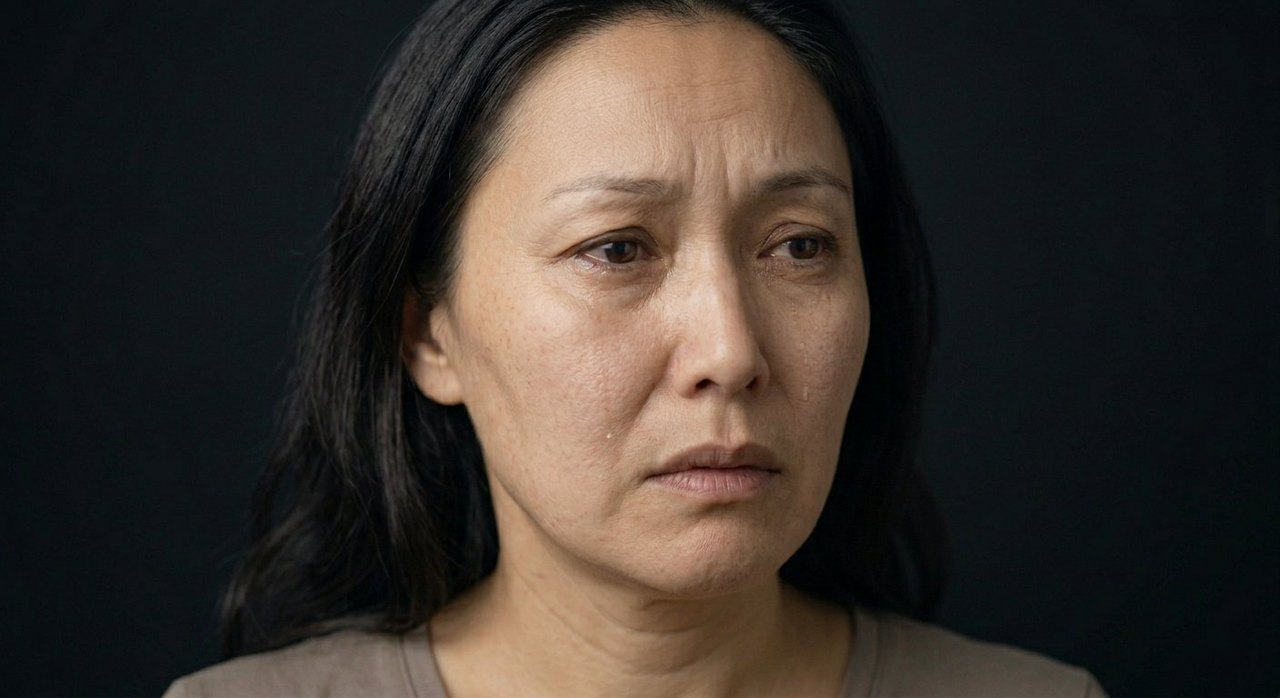
Hiraeth
Welsh: homesickness for a home you cannot return to.
Hiraeth is homesickness for a home you cannot return to. The Welsh word names this longing. The home may not exist in the form remembered, or may never have existed. Even returning would not reach the home being longed for.
Longing for what cannot be returned to is still love
Hiraeth is the Welsh word for the particular homesickness for a place you cannot go back to. The childhood home. The country before it changed. The version of a city that existed only in your youth. This kind of longing has no remedy, because the object no longer exists. Sitting with hiraeth is a strange gift. It teaches you that you loved something deeply, and that the love does not need the object to persist. You can love a place that is gone. You are not required to move on. You are allowed to keep it, quietly, for the rest of your life.
"Cartref yw lle mae'r galon (Home is where the heart is)."
— Welsh proverb
Hiraeth has a deep, settled body signature centred in the chest. The chest holds a heavy fullness, similar to grief but with an added quality of yearning. The head carries a low presence of the missing home as a kind of constant orientation. The stomach holds a quiet ache. The body is reaching toward something that does not exist in the form it longs for, and has settled into the reaching as a way of being.
Hiraeth has been studied primarily by Welsh cultural and literary scholars rather than emotion researchers, but it has been described as a complex grief involving lost place, lost culture, and lost identity simultaneously (Cox, 2018). The broader research on what is sometimes called solastalgia (grief over environmental change to one's home) and on diaspora identity captures related territory. The body response is similar to other longing-grief blends but with the particular weight of impossible return.

Hiraeth arises in conditions that involve real loss of place, culture, or community, combined with the recognition that return is not possible. Common patterns include:
Hiraeth does not respond well to attempts to fix it because the loss is genuine and the return is impossible. The following practices help when hiraeth becomes too heavy or interferes with present life.
Acknowledge it as legitimate grief
Hiraeth is often dismissed by others who have not experienced displacement: 'just visit', 'just call', 'just move on'. The recognition that this is real grief for a real loss, not romanticism or weakness, is sometimes the first relief. The grief is for something that mattered.
Find communities of others who share it
Diaspora communities, language revival groups, communities of people from the same lost place. Hiraeth shared with others who feel it has a different weight than hiraeth carried alone. The feeling is more bearable when it is also collective.
Maintain rituals of connection
Cooking food from the lost place, speaking the lost language when possible, returning when you can even knowing it will not be the same, teaching children about the home. These rituals do not bring back what is gone but they maintain a felt connection that often makes hiraeth sustainable.
Distinguish hiraeth from idealisation
Healthy hiraeth remembers the home accurately, including its difficulties. Idealisation remembers only the good and refuses to engage with the present. If hiraeth has tipped into the conviction that the past was perfect and the present cannot compete, the feeling has shifted from grief into something that blocks current life.
If hiraeth is consuming
Persistent hiraeth that prevents engagement with the present, that has the person living mostly in memory or in fantasies of return, or that produces depression about the contrast between past and present is worth taking to a therapist. This is sometimes called acculturation distress or complicated diaspora grief and is treatable.
"Hiraeth is the homesickness for a home you cannot return to, or one which maybe never was. It is the grief for the lost places of your past."
— A common Welsh framing of the concept
What does hiraeth actually mean?
Hiraeth is a Welsh word for homesickness for a home you cannot return to. The home may be a real place that no longer exists in the form you remember, a culture that has changed, a community that has dispersed, or a country you have never actually lived in but feel a longing for. Hiraeth includes the recognition that even if you returned, it would not be the home you are longing for. The home has moved on, or never existed in the form you carry.
Where do people feel hiraeth in the body?
Hiraeth has a deep, settled signature centred in the chest. The chest holds a heavy fullness, similar to grief but with an added quality of yearning. The head carries a low presence of the missing home as a kind of constant orientation. The stomach holds a quiet ache. The body is reaching toward something that does not exist in the form it longs for.
What is the difference between hiraeth and homesickness?
Homesickness is active painful longing for a place or familiar context with the implicit possibility of return. Hiraeth includes the explicit recognition that return is not possible, or that if you did return, the home you long for would not be there. Homesickness can be cured by going home. Hiraeth cannot, which is part of why it is heavier and more enduring.
Can you feel hiraeth for a place you have never lived?
Yes. Second and third generation diaspora often experience hiraeth for an ancestral homeland they have never personally lived in but feel deeply connected to through family, story, and culture. The longing is inherited rather than personally remembered. This does not make it less real, and it is one of the more interesting features of hiraeth as a concept: it can be transmitted across generations.
How do you live with hiraeth?
Hiraeth does not respond well to attempts to fix it because the loss is genuine and the return is impossible. What helps is acknowledging it as legitimate grief rather than weakness, finding communities of others who share the same loss, maintaining rituals of connection to what is gone (food, language, return visits where possible), and distinguishing healthy remembering from idealisation that blocks present engagement. Persistent hiraeth that consumes daily life is worth taking to a therapist familiar with diaspora and displacement.
- Cox, J. (2018). Hiraeth: A grief beyond loss. Welsh Journal of Religious Studies, 6(2).
- Lomas, T. (2016). The Positive Lexicography Project: A cross-cultural analysis of untranslatable words pertaining to well-being. The Journal of Positive Psychology, 11(5), 546–558. https://www.tandfonline.com/doi/abs/10.1080/17439760.2015.1127993
- Albrecht, G., et al. (2007). Solastalgia: The distress caused by environmental change. Australasian Psychiatry, 15(sup1), S95–S98. https://journals.sagepub.com/doi/10.1080/10398560701701288
Hiraeth sits in the untranslatable family alongside saudade, mono no aware, and other concepts English has not produced single words for. It is closely related to homesickness, nostalgia, and grief, but the Welsh tradition gives it a particular character emphasising the impossibility of return.
See where hiraeth sits among the other 402 emotions.
Open Hiraeth on the wheel